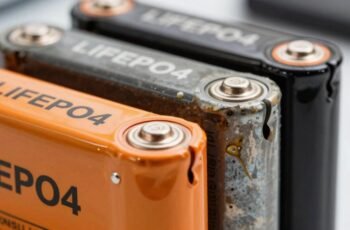
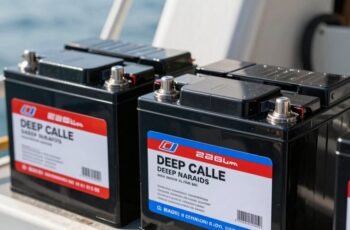
Did you know that lithium batteries can deliver over twice the energy density of traditional lead-acid options, yet they often come with a higher initial investment? This difference impacts not only performance but also long-term operational costs, making the choice more complex than it appears. Understanding how these technologies compare in durability, maintenance, and overall value is essential for making an informed decision. Let’s explore the critical factors that could influence your golf cart’s power strategy.
Key Takeaways
- Lithium batteries offer higher energy density, longer cycle life, and faster charging compared to lead acid batteries.
- Despite higher initial costs, lithium batteries provide lower total ownership costs through reduced maintenance and longer lifespan.
- Lithium batteries maintain consistent voltage and performance under varying loads, unlike lead acid batteries which experience voltage sag.
- Lead acid batteries require regular maintenance and have a shorter lifespan, increasing long-term ownership costs.
- Lithium batteries pose fewer safety risks during use and have a lower environmental impact, but require careful handling and proper disposal.
How Do Lithium and Lead Acid Batteries Differ in Performance?
When comparing lithium and lead acid batteries for golf carts, their performance characteristics reveal significant differences. Lithium batteries deliver higher energy density, providing more power output per unit of weight, which results in improved acceleration and top speeds. They maintain a more consistent voltage throughout discharge cycles, ensuring stable performance until the battery is nearly depleted. In contrast, lead acid batteries experience voltage drop-offs as they discharge, leading to reduced efficiency over time. Lithium cells charge faster, often reaching full capacity in a fraction of the time needed for lead acid counterparts. Additionally, lithium batteries have a lower internal resistance, reducing heat buildup and enhancing overall efficiency. These performance distinctions make lithium batteries more responsive and reliable under demanding conditions.
Which Battery Type Offers Greater Longevity and Durability?
Although both lithium and lead acid batteries have finite lifespans, lithium batteries generally offer greater longevity and durability due to their advanced chemistry and construction. Lithium-ion cells feature a more stable chemical structure, enabling higher cycle life—often exceeding 2000 charge cycles—compared to lead acid batteries, which typically last 500-1000 cycles. Their design minimizes degradation caused by deep discharges and temperature fluctuations, enhancing overall durability. Additionally, lithium batteries exhibit lower internal resistance, reducing heat build-up and prolonging operational integrity. Maintenance demands are also reduced, decreasing the risk of corrosion and sulfation that often compromise lead acid batteries. Consequently, lithium batteries maintain peak performance over extended periods, making them a more resilient choice for long-term durability in golf carts.
How Do Costs Compare Between Lithium and Lead Acid Golf Cart Batteries?
When comparing costs, we examine both the initial purchase price and the potential long-term savings associated with each battery type. Lithium batteries tend to have higher upfront costs but often reduce expenses over time through lower maintenance and longer lifespan. Analyzing these factors allows us to assess the true cost-effectiveness of each option.
Initial Purchase Price
The initial purchase price of golf cart batteries varies markedly between lithium and lead acid options, with lithium batteries typically commanding a higher upfront cost. Lithium battery systems often cost two to three times more than traditional lead acid batteries due to advanced cell chemistry and manufacturing processes. While lead acid batteries generally have lower initial purchase prices—ranging from $500 to $1,000 per set—lithium batteries usually start around $2,000 to $4,000. This higher initial investment reflects the more sophisticated technology, longer cycle life, and higher energy density of lithium systems. When evaluating costs, it’s essential to account for that the upfront expense of lithium batteries is offset by their extended lifespan and reduced maintenance, which can influence overall value over time.
Long-Term Cost Savings
Long-term cost savings are a critical factor in evaluating golf cart batteries, as initial purchase price alone doesn’t capture the full financial picture. Lithium batteries typically have higher upfront costs but offer greater longevity, often exceeding 8,000 charge cycles, compared to lead acid’s 500-1,000 cycles. This extended cycle life reduces replacement frequency, lowering overall expenditure over time. Additionally, lithium batteries require less maintenance and have higher efficiencies, leading to reduced energy costs. They also charge faster and operate more effectively across varying temperatures, contributing to operational savings. While the initial investment is higher, the durability, efficiency, and lower maintenance requirements of lithium batteries often result in significant long-term savings, making them a more cost-effective choice for sustained use.
What Are the Maintenance Requirements for Each Battery Type?
Maintaining golf cart batteries requires attention to regular inspections, proper charging protocols, and correct storage practices. Lithium and lead acid batteries have distinct requirements that impact their longevity and performance. Understanding these differences helps optimize maintenance routines for each type.
Regular Inspection Needs
Regular inspections are essential to guarantee peak performance and longevity of golf cart batteries. For lithium batteries, this involves monitoring voltage levels and temperature regularly, as they tend to have stable voltage profiles but can be sensitive to thermal fluctuations. Visual checks are necessary to identify any signs of swelling or corrosion on terminals, which could indicate underlying issues. Lead-acid batteries require more frequent inspection of electrolyte levels, terminal connections, and overall cleanliness, as these factors directly influence their capacity and lifespan. Regular testing of specific gravity in each cell helps assess state of charge and electrolyte health. Both battery types benefit from scheduled inspections to detect early signs of degradation, but lithium batteries generally demand less frequent, less intensive maintenance due to their inherent chemical stability.
Charging Protocols
Charging protocols for golf cart batteries vary considerably between lithium and lead-acid types, requiring specific maintenance practices to optimize performance and lifespan. Lithium batteries benefit from a consistent, partial charge cycle, with minimal risk of overcharging due to built-in BMS systems that regulate voltage and current. They should be charged promptly after use and maintained at a moderate state of charge to prevent capacity loss. Conversely, lead-acid batteries demand a strict, full charge cycle after each use to prevent sulfation and stratification, with attention to avoiding overcharging that can cause water loss and grid corrosion. Equalization charges are sometimes necessary for lead-acid batteries to balance cell voltages, whereas lithium batteries require no such process. Proper charging protocols are critical to maximize efficiency and extend service life for each battery type.
Storage Guidelines
Proper storage of golf cart batteries is essential to preserve their performance and longevity, with specific requirements depending on the battery type. Lithium and lead acid batteries have distinct storage needs that impact their lifespan. Lithium batteries should be stored in a fully charged state at a moderate temperature, typically between 32°F and 77°F, to prevent capacity loss and internal damage. They require minimal maintenance during storage, with periodic checks to guarantee voltage remains stable. Lead acid batteries, on the other hand, must be kept in a charged state, preferably around 12.6 volts, and stored in a cool, dry environment to prevent sulfation and self-discharge. Regular topping off with distilled water (for flooded lead acid) and voltage monitoring are necessary to maintain peak condition during extended storage periods.
How Do Charging Times and Efficiency Vary?
Lithium batteries generally charge faster and more efficiently than lead acid counterparts due to their lower internal resistance and optimized charge acceptance profiles. This reduced resistance allows for higher current flow during charging, minimizing time required to reach full capacity. Lithium cells also maintain a consistent voltage during charging, enabling chargers to operate at higher efficiencies and avoid process slowdowns common with lead acid batteries. Conversely, lead acid batteries experience increased internal resistance as they charge, prolonging charging times and reducing overall efficiency. Additionally, lithium batteries typically support faster charge rates without compromising lifespan, whereas lead acid batteries require longer, more controlled charging cycles to prevent damage. Overall, lithium technology offers significant advantages in charging speed and energy transfer efficiency, optimizing operational throughput for golf carts.
Which Battery Is Safer to Use and Handle?
When considering safety and handling, lithium and lead acid batteries present different risk profiles that impact operational safety. Lead acid batteries contain sulfuric acid, which poses chemical burn and acid spill risks if damaged or improperly maintained. They also produce hydrogen gas during charging, increasing explosion hazards in poorly ventilated areas. Conversely, lithium batteries, while free of corrosive liquids, carry thermal runaway risks if damaged or improperly charged, potentially leading to fires. They require careful management of charging parameters to prevent overheating. Handling lithium batteries demands caution due to their high energy density and sensitivity to puncture or short circuits. Overall, lead acid batteries pose more immediate chemical and gas-related hazards, but lithium batteries necessitate strict safety protocols to mitigate fire risks. Proper training and maintenance are essential for safe operation of both types.
How Do Environmental Impacts and Recycling Options Differ?
How do the environmental impacts and recycling options of lithium and lead acid batteries compare? Lithium batteries generally have a lower environmental footprint during use due to reduced emissions and fewer hazardous materials. However, their manufacturing involves energy-intensive processes and extraction of lithium, which can impact ecosystems. Lead acid batteries are highly recyclable, with established collection systems that recover over 95% of materials; yet, improper disposal risks soil and water contamination from lead and sulfuric acid.
- Lithium mining can cause habitat degradation and water shortages
- Lead recycling prevents environmental contamination
- Lithium battery manufacturing consumes significant energy
- Lead acid recycling infrastructure is well-established
- Proper disposal is essential for both to minimize ecological harm
Which Battery Type Provides Better Value Over Time?
Although both lithium and lead acid batteries serve as reliable power sources for golf carts, their long-term value depends heavily on factors such as lifespan, maintenance costs, and performance consistency. Lithium batteries typically demonstrate a longer cycle life—often exceeding 2000 cycles—resulting in lower replacement frequency and reduced long-term costs. They also require minimal maintenance, eliminating the need for watering or equalization charges, which further decreases ongoing expenses. Conversely, lead acid batteries usually have a shorter lifespan, around 500-1000 cycles, and demand regular maintenance, increasing total ownership costs over time. While initial purchase prices for lithium batteries are higher, their durability and lower upkeep generally translate into better value over time. Consequently, lithium batteries tend to be more cost-effective in the long run despite higher upfront investment.
What Factors Should You Consider When Choosing Your Golf Cart Battery?
- Capacity and runtime
- Cycle life and durability
- Total cost of ownership
- Charging speed and efficiency
- Compatibility with existing systems
Frequently Asked Questions
Are Lithium Batteries Suitable for All Golf Cart Models?
Lithium batteries are suitable for most golf cart models, but compatibility depends on the specific voltage and size requirements. We recommend consulting your cart’s manufacturer specifications to guarantee proper fitment and performance before upgrading to lithium technology.
How Do Temperature Variations Affect Each Battery Type’s Performance?
Notably, temperature fluctuations impact lithium and lead acid batteries differently; lithium batteries perform better in extreme temperatures, maintaining efficiency, while lead acids suffer capacity loss and reduced lifespan, making temperature management vital for peak golf cart performance.
Can Lithium Batteries Be Used in Existing Lead Acid Battery Setups?
Yes, lithium batteries can replace lead-acid setups, but require compatible BMS integration and voltage adjustments. We recommend consulting with a professional to guarantee proper system compatibility and safety standards before upgrading your golf cart’s battery system.
What Is the Warranty Coverage Typically Offered for Each Battery?
We find that lithium batteries often come with 8-10 year warranties, covering most defects, while lead acid batteries typically offer 1-3 year coverage. This difference reflects lithium’s durability and cost-effective longevity, reassuring users of long-term reliability.
How Quickly Can Each Battery Be Replaced or Upgraded?
We can typically replace or upgrade lead acid batteries within a few hours due to their straightforward design, whereas lithium batteries may take longer, often a day or more, because of their complex management systems and safety protocols.
Conclusion
In the end, choosing between lithium and lead-acid batteries isn’t just a decision—it’s a game-changer for your golf cart’s performance and longevity. Lithium batteries offer unparalleled durability, faster charging, and long-term savings that can redefine your entire experience. Opting for the right technology means transforming everyday rides into unstoppable, high-efficiency journeys. It’s not just a battery choice—it’s a strategic investment that can elevate your golf cart to new heights of reliability and eco-friendliness.