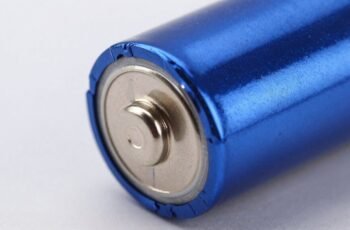
When choosing between LiPo and lithium-ion batteries, understanding their distinct technical characteristics is vital for optimizing device performance and safety. Each type offers specific advantages and trade-offs that can greatly influence your project’s success. To make an informed decision, it’s important to analyze their chemistry, capacity, and application suitability. As we explore these differences, you’ll gain the insights needed to select the most appropriate power source for your needs.
Key Takeaways
- LiPo batteries are lightweight, flexible, and support high discharge rates, ideal for high-performance, portable devices.
- Lithium-ion batteries have higher energy density, offering longer runtimes and greater stability for long-term applications.
- LiPo uses a polymer gel electrolyte, making it more customizable, while Li-ion contains a liquid electrolyte with more established manufacturing.
- Lithium-ion batteries generally have longer cycle life, better safety profiles, and more efficient recycling infrastructure.
- LiPo batteries are more challenging to recycle and pose higher environmental impact if improperly disposed of.
Which Battery Is Right for Your Devices? An Intro to LiPo and Lithium-Ion Batteries
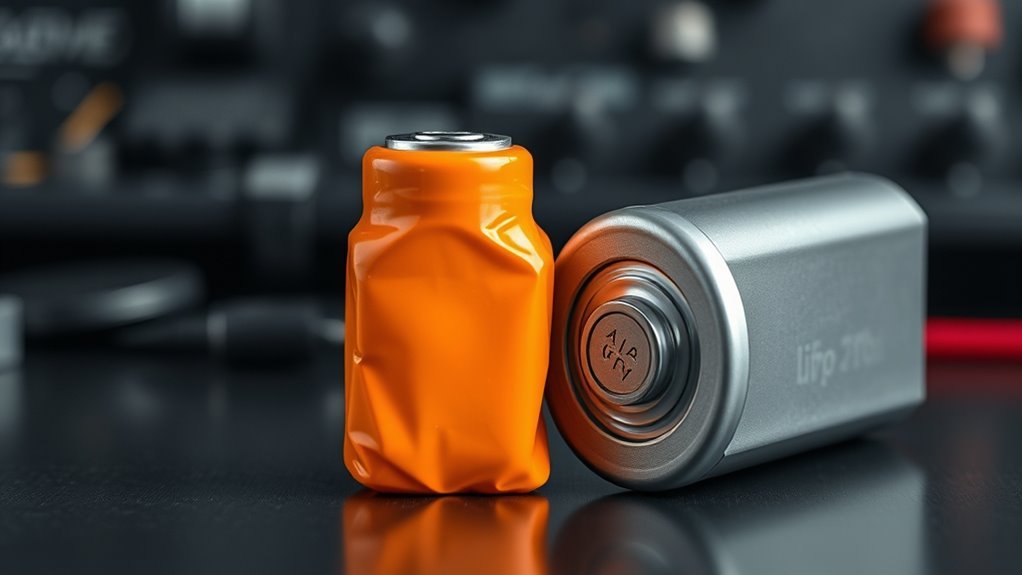
When selecting the appropriate battery for your devices, understanding the fundamental differences between Lithium Polymer (LiPo) and Lithium-Ion (Li-ion) batteries is essential. LiPo batteries generally offer higher energy density and flexible form factors, making them suitable for compact, lightweight applications. Conversely, Li-ion batteries typically provide longer cycle life and more stable performance, ideal for high-demand devices. Both types contribute to environmental impact through battery recycling challenges, as improper disposal can lead to hazardous waste. The choice influences not only device performance but also the broader environmental footprint. Recognizing these distinctions helps in making informed decisions that balance device needs with sustainable practices, emphasizing the importance of efficient battery recycling to mitigate environmental harm.
What Are LiPo and Lithium-Ion Batteries, and How Do They Work?
LiPo and Lithium-Ion batteries are both rechargeable energy storage devices that rely on lithium-based electrochemical cells, but they differ considerably in design and operation. LiPo batteries use a gel-like polymer electrolyte, providing flexibility and lightweight form factors, while Lithium-Ion batteries utilize a liquid electrolyte with rigid cell construction. Both types operate through lithium ions moving between anode and cathode during charge and discharge cycles, generating electrical energy. The efficiency of these processes impacts their lifespan, influencing battery recycling practices and environmental impact. Proper recycling reduces harmful waste and recovers valuable materials, addressing environmental concerns. Understanding these operational differences helps in evaluating their sustainability and the importance of developing eco-friendly disposal methods for both battery types.
Chemistry and Construction: How Do LiPo and Lithium-Ion Batteries Differ?
The fundamental differences between LiPo and Lithium-Ion batteries lie in their chemistry and construction, which directly influence their performance and application suitability. LiPo batteries utilize a polymer electrolyte, often a gel-like substance, allowing for flexible form factors. In contrast, Lithium-Ion batteries employ a liquid electrolyte, typically a lithium salt dissolved in an organic solvent. Electrode materials also differ: LiPo batteries often use layered metal oxide cathodes and graphite anodes, while Lithium-Ion batteries may incorporate various cathode compositions like lithium cobalt oxide or lithium iron phosphate. These distinctions impact stability, energy density, and safety. The table below summarizes these key differences:
| Feature | LiPo | Lithium-Ion |
|---|---|---|
| Electrolyte composition | Polymer gel | Liquid organic solvent |
| Electrode materials | Layered metal oxides and graphite | Diverse cathodes, graphite anodes |
Comparing Capacity and Discharge Rates of LiPo and Lithium-Ion Batteries
Capacity and discharge rates are critical parameters that determine a battery’s performance in various applications. When comparing LiPo and lithium-ion batteries, their underlying battery chemistry markedly influences these metrics. Lithium-ion batteries typically offer higher energy density, enabling longer runtimes in compact designs. Conversely, LiPo batteries often provide higher discharge rates, making them suitable for high-power applications. The energy density affects overall capacity, with lithium-ion chemistry optimizing storage, while LiPo’s flexible form factor allows for rapid energy release. Discharge rate, expressed as C-rating, indicates how quickly a battery can deliver energy without damage. Overall, lithium-ion batteries excel in energy density and capacity, while LiPo batteries are better suited for applications demanding high discharge rates. Understanding these distinctions helps optimize performance for specific needs.
Which Battery Is Safer for Your Projects? Safety Tips for Handling and Maintenance
While both LiPo and lithium-ion batteries are widely used in various projects, safety considerations are paramount to prevent accidents and guarantee longevity. Proper handling involves avoiding punctures, overcharging, and extreme temperatures, which can lead to thermal runaway. Regular inspection and safe storage minimize risks. Additionally, responsible battery recycling reduces environmental impact and prevents hazardous waste buildup. Both battery types contain chemicals that require careful disposal, emphasizing the importance of adhering to local regulations. Maintenance practices like balancing cells and avoiding physical damage extend battery life and safety. Ultimately, understanding each battery’s specific safety protocols guarantees safer project execution, reduces environmental harm, and promotes sustainable disposal methods. Prioritizing these safety tips safeguards both users and the environment.
How Long Do LiPo and Lithium-Ion Batteries Last? Understanding Longevity and Charging Cycles
Understanding the lifespan of LiPo and lithium-ion batteries requires examining their cycle counts and overall degradation patterns, which are influenced by usage, charging practices, and environmental conditions. Typically, lithium-ion batteries endure around 300 to 500 full charge cycles before capacity declines markedly, while LiPo batteries may have slightly fewer cycles due to their chemical makeup. Proper charging—avoiding overcharging and deep discharges—can extend longevity. Once batteries reach end-of-life, responsible battery recycling becomes essential to minimize environmental impact and recover valuable materials. Both types contribute to electronic waste if improperly disposed of, emphasizing the importance of sustainable practices. Recognizing these factors helps optimize battery lifespan, reduce environmental harm, and promote efficient battery recycling.
Best Use Cases for LiPo Batteries: When and Why to Use Them
LiPo batteries excel in applications that demand high power density, lightweight design, and flexible form factors, making them ideal for scenarios where performance and portability are critical. Their adaptable shapes suit drone racing, RC models, and wearable tech, where space constraints and weight savings are essential. However, these advantages come with considerations such as battery recycling challenges and environmental impact, since LiPo batteries require careful disposal to prevent ecological harm. Their lightweight nature reduces resource consumption during manufacturing and transport, but improper disposal can lead to hazardous waste issues. We recommend using LiPo batteries in high-performance, portable applications where their unique form factor and power delivery outweigh environmental concerns, provided proper recycling protocols are followed to mitigate environmental impact.
Should You Choose Lithium-Ion Batteries Instead? Key Factors to Consider
When considering alternatives to LiPo batteries, lithium-ion batteries often emerge as a compelling option due to their established safety profile, widespread availability, and mature manufacturing processes. They tend to offer better battery aesthetics, with more uniform form factors and less risk of swelling or deformation over time. Additionally, lithium-ion batteries typically have a lower environmental impact, thanks to more efficient recycling protocols and longer lifespan, reducing waste. However, they usually feature a higher weight-to-capacity ratio and less flexible form factors compared to LiPo variants. These factors highlight the importance of evaluating your device’s specific needs—particularly safety, aesthetics, and environmental considerations—before choosing lithium-ion batteries as a suitable alternative.
How to Decide Between LiPo and Lithium-Ion for Your Specific Needs
When choosing between LiPo and lithium-ion batteries, we need to evaluate application suitability, focusing on power requirements and expected lifespan. LiPo batteries excel in high-drain, lightweight applications, while lithium-ion cells offer greater longevity for steady, long-term use. Analyzing these factors helps us align each battery type with the specific operational demands of your project.
Application Suitability
Choosing the right battery type depends heavily on the specific requirements of your application, as each chemistry offers distinct advantages and limitations. For applications demanding lightweight, flexible form factors, LiPo batteries excel due to their high energy density and customizable shapes. Conversely, lithium-ion batteries are more suitable for systems prioritizing stability and safety, such as portable electronics. Environmental impact considerations, including battery recycling, also influence suitability; lithium-ion batteries generally have more established recycling processes, reducing long-term ecological concerns. In contrast, LiPo batteries pose challenges due to their chemical complexity and less developed recycling infrastructure. Evaluating these factors—application demands, safety, environmental impact, and recycling capabilities—guides selecting the most appropriate chemistry for your specific use case.
Power and Longevity
Determining whether to select a LiPo or lithium-ion battery hinges on analyzing specific power and longevity requirements for your application. LiPo batteries generally offer higher power density, making them suitable for applications demanding rapid discharge and high performance. Lithium-ion batteries, on the other hand, tend to provide longer cycle life and more stable longevity, which benefits long-term use. When considering battery manufacturing, LiPo cells often involve more complex processes, impacting cost and environmental impact. Lithium-ion batteries typically have a more established manufacturing infrastructure, reducing environmental footprint over time. Ultimately, your choice depends on whether immediate power delivery or extended longevity is more critical, while also factoring in manufacturing sustainability and environmental considerations.
Frequently Asked Questions
How Do Temperature Variations Affect Lipo and Lithium-Ion Battery Performance?
Temperature variations impact thermal stability and reveal each battery’s temperature sensitivity; both types perform ideally within specific ranges. Excessive heat or cold can degrade performance, shorten lifespan, and pose safety risks, emphasizing the importance of proper thermal management.
Can Lipo Batteries Be Safely Used in High-Drain Applications?
We’ve used lipo batteries in high-drain RC cars, proving their excellent power delivery. Battery chemistry and strict safety protocols make them suitable, but proper handling prevents risks like overheating or fire during intense use.
What Are the Environmental Impacts of Disposing of Each Battery Type?
Disposing of lithium-ion and LiPo batteries presents recycling challenges and toxic waste concerns. Both release hazardous substances, but LiPo batteries often contain more complex materials, making proper recycling critical to mitigate environmental harm and reduce toxic waste.
Are There Significant Differences in Charging Times Between Lipo and Lithium-Ion Batteries?
We find that lithium-ion batteries generally charge faster, thanks to optimized charging protocols, but lipos require careful management for charging safety, which can affect overall charging times and impact battery lifespan accordingly.
How Do Storage Requirements Differ for Lipo Versus Lithium-Ion Batteries?
We stash lipo batteries in a cool, dry place, adhering to safety protocols, to prevent fires, while lithium-ion batteries tolerate slightly broader conditions; both demand careful handling to preserve battery capacity and guarantee safety.
Conclusion
In conclusion, choosing between LiPo and lithium-ion batteries depends on your specific application. While LiPo batteries excel in lightweight, high-drain scenarios, lithium-ion batteries offer durability and safety for long-term use. We believe understanding their core differences helps avoid putting all your eggs in one basket. By carefully analyzing your device’s needs, you can select the right power source—ensuring you get the most bang for your buck without biting off more than you can chew.