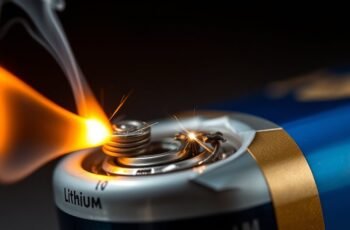
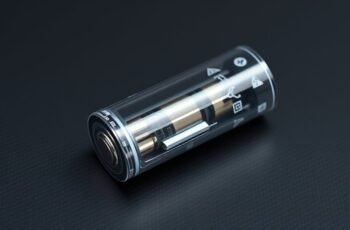
Many people are unaware that lithium batteries can pose significant fire risks even when unused, especially if mishandled or stored improperly. This danger is often underestimated, yet understanding how these batteries behave under stress is vital for safety. By following proper handling, storage, and disposal protocols, we can reduce potential hazards. To guarantee you’re prepared for these risks, it’s essential to grasp the early warning signs and proper response measures—details that could make all the difference in a crisis.
Key Takeaways
- Recognize signs of thermal runaway, such as swelling, overheating, or smoke, for early fire detection.
- Use appropriate fire extinguishers (Class D, dry powder) and avoid water on lithium fires.
- Handle batteries carefully, avoiding punctures, impacts, and exposure to extreme temperatures.
- Store batteries in cool, dry environments away from flammable materials and monitor for damage.
- Follow proper disposal and recycling procedures to prevent environmental hazards and fire risks.
Why Lithium Battery Fires Are a Growing Safety Concern
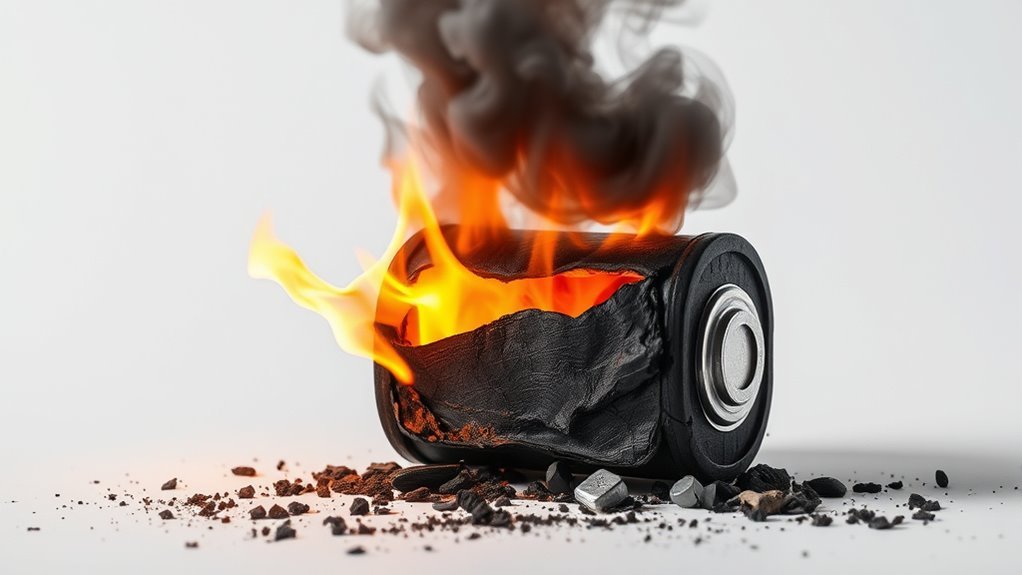
As the demand for portable electronic devices and electric vehicles continues to surge, lithium battery fires have become an increasingly significant safety concern. The proliferation of lithium-ion batteries intensifies the risks associated with thermal runaway and internal short circuits. Additionally, the reliance on lithium raises sustainability issues, prompting advancements in battery recycling to mitigate environmental impact. However, current recycling methods face challenges in efficiency and material recovery, emphasizing the need for alternative solutions. Researchers are exploring lithium alternatives, such as sodium-ion or solid-state batteries, which could reduce fire hazards and lessen environmental dependency. These developments aim to enhance safety and sustainability, addressing both fire risks and resource scarcity. The intricate interaction between battery chemistry, manufacturing, and end-of-life management underscores the urgency of exhaustive safety strategies.
Understanding Lithium Batteries and Their Fire Risks
Lithium batteries are energy storage devices that rely on electrochemical reactions between lithium ions and electrode materials to generate power. Their battery chemistry is highly efficient but sensitive to faults, which can lead to thermal runaway and fire risks. Variations in manufacturing standards influence the consistency and safety of these batteries, affecting their vulnerability to short circuits and overheating.
Key factors impacting fire risk include:
- Electrode material integrity and purity
- Quality of separator materials
- Manufacturing process controls
Understanding the precise battery chemistry and adhering to stringent manufacturing standards are essential for minimizing fire hazards. These elements determine how safely a lithium battery operates under normal and adverse conditions, emphasizing the importance of quality control in production.
How to Handle and Store Lithium Batteries Safely
To guarantee safety when handling and storing lithium batteries, it is essential to follow strict protocols that minimize the risk of damage or thermal events. Proper handling involves avoiding punctures, impacts, and exposure to extreme temperatures, which can compromise battery integrity. Storing batteries in a cool, dry environment, away from flammable materials, reduces potential hazards. Adhering to established charging protocols—using compatible chargers and avoiding overcharging—prevents thermal runaway. Additionally, implementing battery recycling practices ensures proper disposal at end-of-life, reducing environmental and safety risks. Always inspect batteries regularly for signs of damage or swelling before storage or reuse. Following these precautions minimizes fire risks and extends the lifespan of lithium batteries, assuring safe handling and storage in all applications.
How to Recognize the Signs of a Lithium Battery Fire
Identifying the early signs of a lithium battery fire is essential for prompt response and safety. Changes in battery chemistry often produce specific indicators detectable through fire detection systems or visual cues. Recognizing these signs early can prevent escalation and facilitate effective intervention.
Signs include:
- Overheating or swelling: Abnormal temperature rise and physical deformation indicate internal thermal runaway.
- Unusual odors or smoke: Chemical fumes or acrid smells suggest electrolyte breakdown.
- Discoloration or venting: Visible smoke, sparks, or venting indicate active thermal failure.
Understanding these indicators enhances fire detection accuracy, especially in environments with multiple batteries. Being vigilant allows for quicker identification, reducing risks associated with lithium battery fires and ensuring safety protocols are effectively implemented.
What to Do Immediately if Your Lithium Battery Catches Fire
When a lithium battery catches fire, immediate action is critical to minimize damage and guarantee safety. First, isolate the fire using fire-resistant packaging if available, preventing the spread of flames. Avoid using water, as it can react violently with lithium fires; instead, deploy a Class D fire extinguisher designed for metal fires or smother the flames with a fire blanket. Once the fire is subdued, ensure proper disposal by contacting certified battery recycling facilities to prevent environmental contamination. Do not attempt to puncture or disassemble the battery, as this can exacerbate the fire or cause toxic leakage. Promptly reporting the incident to emergency services ensures proper handling and adherence to safety protocols. These steps are essential to contain the fire safely and promote responsible waste management.
Top Ways to Prevent Lithium Battery Fires
Preventing lithium battery fires begins with understanding proper handling and usage practices. As battery innovation advances, adhering to current fire safety regulations is vital to minimize risks. Proper charging protocols, including using certified chargers and avoiding overcharging, are essential. Regular inspection for physical damage or swelling can prevent thermal runaway. Maintaining manufacturer-recommended storage conditions reduces exposure to extreme temperatures.
Proper handling, certified charging, and regular inspections are key to preventing lithium battery fires.
- Use only approved, certified batteries and chargers
- Avoid exposing batteries to high temperatures or mechanical stress
- Follow all fire safety regulations during manufacturing, handling, and disposal
Choosing Fire-Resistant Storage for Lithium Batteries
Selecting storage materials with high fire resistance is essential to mitigate thermal hazards from lithium batteries. Ensuring the storage environment maintains appropriate temperature, humidity, and ventilation further reduces fire risk. Together, these factors form the foundation of a safe, fire-resistant storage strategy.
Materials for Fire Resistance
Choosing fire-resistant materials for lithium battery storage is essential to minimizing fire risks and ensuring safety during thermal runaway events. Selecting appropriate fire resistant materials can contain or slow the spread of fire, protecting both personnel and property. Effective options include specialized fire-resistant enclosures made from intumescent or ceramic-based panels, which can withstand high temperatures. Additionally, incorporating fire-resistant barriers within storage units enhances containment. Proper safety clothing, such as flame-resistant suits, provides personal protection during emergencies. Key considerations involve the thermal stability and chemical inertness of materials used, ensuring they do not react with battery components. Prioritizing these materials reduces the likelihood of fire escalation and improves overall safety protocols in lithium battery storage environments.
Proper Storage Environment
To effectively minimize fire risks associated with lithium batteries, we must establish storage environments that prioritize fire-resistant features. Proper storage involves maintaining ideal temperature regulation to prevent thermal runaway, ideally between 15°C and 25°C. Excessive heat accelerates chemical reactions within the batteries, increasing fire hazards. Additionally, humidity control is essential; relative humidity should be kept below 60% to reduce the risk of corrosion and short circuits. Using fire-resistant cabinets or enclosures with appropriate ventilation enhances safety by containing potential fires and preventing their spread. Regular monitoring of environmental conditions ensures stable storage parameters. Implementing these measures creates a controlled environment that mitigates ignition risks, preserves battery integrity, and enhances overall safety during storage.
How to Safely Extinguish Lithium Battery Fires and Dispose of Batteries
Proper fire extinguishing methods for lithium battery fires involve using Class D or specialized fire extinguishers designed for metal fires, as standard extinguishers can exacerbate the situation. Safe disposal procedures require isolating damaged batteries, following local regulations, and utilizing authorized recycling facilities to prevent environmental contamination. Comprehending these protocols is essential to mitigate risks and guarantee safety during fire incidents and disposal processes.
Proper Fire Extinguishing Methods
When a lithium battery catches fire, it’s vital to act quickly and correctly to prevent escalation. Prioritize electrical safety by avoiding water, which can intensify the fire. Instead, use specialized fire suppression techniques designed for lithium-ion fires.
- Utilize Class D fire extinguishers containing dry powder, which effectively smother the battery’s thermal runaway.
- Employ CO₂ or foam extinguishers only if a Class D option isn’t available, but be aware they may be less effective.
- Confirm fire suppression methods are applied directly to the battery and surrounding area to contain the fire safely.
Proper training in fire suppression techniques is essential to avoid injury or damage. Always prioritize safety protocols and consult fire safety professionals when handling lithium battery fires.
Safe Battery Disposal Procedures
Have you ever wondered how to safely dispose of a lithium battery after it’s been involved in a fire? Proper disposal begins with identifying the battery as hazardous waste due to potential residual hazards. Do not throw it in regular trash; instead, handle it with protective equipment and transport it to a certified hazardous waste facility. For battery recycling, confirm the battery is fully discharged and follow local regulations for collection. Lithium batteries contain hazardous materials that can cause environmental contamination if improperly disposed of. Always contact authorized recycling centers or waste management authorities for guidance. This process minimizes environmental impact and reduces the risk of subsequent fires. Proper disposal and battery recycling are essential steps in managing lithium battery safety and environmental responsibility.
Frequently Asked Questions
Are Certain Brands More Prone to Lithium Battery Fires?
Certain brands with lower reliability or poor manufacturing quality are more prone to lithium battery fires. We advise always choosing reputable brands, checking for safety certifications, and avoiding products with known manufacturing defects to mitigate fire risks effectively.
How Does Temperature Affect Lithium Battery Fire Risk?
Temperature triggers thermal instability, markedly elevating lithium battery fire risk; overheating mitigation is vital. We recommend maintaining ideal temperatures to prevent thermal runaway, ensuring safety and prolonging battery lifespan through diligent thermal management practices.
Can Lithium Battery Fires Occur During Charging?
Lithium battery fires can occur during charging due to charging hazards like overcharging or using incompatible chargers. Effective fire prevention involves monitoring charging processes, avoiding damage, and adhering to manufacturer guidelines to minimize risks.
Are There Legal Regulations for Lithium Battery Fire Safety?
Yes, legal regulations mandate compliance with safety standards for lithium batteries, guaranteeing safe manufacturing, transportation, and disposal. We guarantee adherence to these regulations to promote safety and prevent fire hazards, safeguarding users and the environment effectively.
What Are the Long-Term Health Effects of Lithium Battery Fires?
Lithium battery fires can cause long-term health implications through inhalation of toxic fumes and particulate matter; effective fire suppression is vital to minimize exposure, as prolonged inhalation may lead to respiratory issues, neurological effects, and potential chronic health conditions.
Conclusion
In conclusion, understanding the fire risks associated with lithium batteries and adhering to safety protocols is essential for prevention. With over 60% of electronic device fires linked to battery failures, proactive handling and storage can greatly reduce incidents. By recognizing early warning signs and responding swiftly, we protect lives and property. Implementing proper disposal practices and choosing fire-resistant storage options further minimize hazards, ensuring safer environments for all. Safety must remain our top priority.