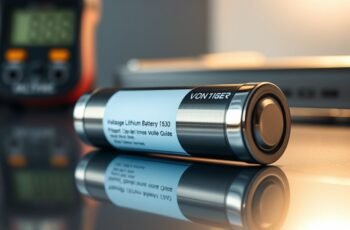
When selecting a lithium battery, accurate sizing is vital to avoid costly mistakes that can compromise performance or safety. We recognize the complexities involved in evaluating energy needs, peak loads, and environmental conditions, which are often overlooked. Ensuring proper voltage compatibility and choosing the right chemistry can prevent potential issues down the line. To optimize your setup and prolong battery life, it’s important to take these factors into account—there’s more to this process than meets the eye.
Key Takeaways
- Avoid underestimating total energy and peak power demands to prevent capacity shortfalls and system overloads.
- Ensure voltage compatibility between the battery and equipment to prevent damage and maintain efficiency.
- Properly size batteries based on accurate calculations to avoid over-sizing, which increases costs and accelerates degradation.
- Select the appropriate chemistry considering safety, performance, and lifespan for your specific application.
- Follow best practices for charging, temperature management, and lifecycle planning to maximize battery longevity and reliability.
How to Size Your Lithium Battery for Your Needs

To accurately size a lithium battery for your application, we first need to determine your energy and power requirements. This involves calculating total energy needs in watt-hours and peak power demands to ensure the battery can handle transient loads. Proper sizing minimizes the risk of over-discharging, which can compromise safety and battery longevity. Safety precautions are essential during installation and operation, especially considering lithium batteries’ sensitivity to thermal runaway and mechanical damage. Additionally, we should consider the environmental impact by planning for effective battery recycling at end-of-life, reducing hazardous waste. Correct sizing directly impacts safety, efficiency, and sustainability, preventing costly over-specification or underperformance. Precise calculations and adherence to safety protocols form the foundation for a reliable, safe lithium battery system tailored to your specific needs.
Why Voltage Compatibility Is Key in Battery Sizing
Ensuring proper voltage match between the battery and the equipment is critical to prevent damage and maintain reliable operation. Mismatched voltages can lead to equipment failure or reduced lifespan, underscoring the importance of precise sizing. Proper voltage compatibility optimizes battery performance and safeguards system integrity.
Ensuring Proper Voltage Match
Why does voltage compatibility matter so much when sizing a lithium battery? Ensuring proper voltage match is essential for battery safety and reliable operation. An incorrect voltage can lead to overcharging or undercharging, which compromises the battery’s integrity and lifespan. Proper voltage alignment guarantees that charging protocols are effective and safe, preventing thermal runaway or damage. Mismatched voltages can cause excessive heat generation, risking safety hazards and potential failure. When selecting a battery, it’s important to match the voltage with the system requirements, ensuring that the power delivery remains stable and within manufacturer specifications. This attention to voltage compatibility safeguards both the equipment and users, maintaining system efficiency while reducing risks associated with improper battery sizing.
Preventing Equipment Damage
How does voltage mismatch directly threaten equipment integrity? When battery voltage exceeds or falls short of a device’s rated voltage, it can cause immediate damage or accelerate wear. Overvoltage can lead to thermal runaway, damaging internal components and risking safety hazards, while undervoltage may result in insufficient power delivery, impairing functionality. Precise voltage compatibility guarantees the safety and longevity of equipment, reducing the risk of costly repairs or replacements. Proper sizing also aligns with the lithium market’s shift toward sustainable practices, emphasizing battery recycling and responsible disposal. By avoiding voltage mismatches, we not only protect equipment but also support eco-friendly initiatives, minimizing waste and maximizing the lifecycle of lithium batteries in a rapidly evolving industry.
Optimizing Battery Performance
Proper voltage compatibility is essential for maximizing battery performance, as it directly influences the efficiency and reliability of power delivery. Mismatched voltages can lead to reduced battery lifespan and compromised charging efficiency. To optimize performance, consider these factors:
- Ensuring voltage alignment with device requirements prevents overloading, which can degrade the battery’s internal chemistry.
- Maintaining correct voltage levels enhances charging efficiency by reducing energy losses during charge cycles.
- Correct voltage matching supports consistent power output, prolonging overall battery lifespan and reducing the need for early replacements.
How Discharge Rates and Environmental Factors Affect Battery Life
Discharge rates and environmental conditions play a critical role in determining lithium battery lifespan and performance. High discharge rates accelerate capacity loss through increased stress on electrode materials, reducing overall discharge cycles before degradation. Temperature effects are particularly significant; elevated temperatures accelerate chemical reactions within the battery, leading to faster capacity fade and potential safety risks. Conversely, low temperatures impair ion mobility, decreasing immediate performance and increasing stress during subsequent cycles. Properly managing discharge rates minimizes thermal and electrochemical stress, extending battery life. Environmental factors like humidity and temperature fluctuations further influence degradation mechanisms. Understanding these interactions enables us to optimize battery operation, ensuring longevity and reliability by controlling discharge levels and maintaining stable environmental conditions.
Why Underestimating Your Power Demands Can Cause Problems
Failing to accurately assess your power demands can lead to significant operational issues, as underestimated loads place undue stress on the battery system. This miscalculation can compromise battery safety and disrupt proper charging protocols, increasing the risk of thermal runaway or capacity degradation.
To avoid these problems, consider these key points:
- Overloading the battery can cause overheating, jeopardizing safety and reducing lifespan.
- Inadequate capacity planning forces frequent recharging, impacting efficiency and increasing maintenance.
- Misjudging peak loads can lead to insufficient reserve power, risking system failures during high-demand periods.
Accurate load assessments ensure the battery operates within safe limits, enabling proper charging protocols and prolonging system reliability. Proper sizing is essential to prevent operational disruptions and ensure safety.
How to Avoid Over-Sizing and Save Money on Batteries
To optimize both performance and cost, it’s essential to avoid over-sizing lithium batteries, which can lead to unnecessary expenses without adding operational value. Over-sized batteries increase upfront costs and extend charging cycles, potentially accelerating degradation. Proper sizing guarantees efficient energy use and prolongs battery life, reducing the frequency of battery recycling and disposal. By accurately evaluating power demands, we prevent overspending on capacity that remains underutilized. Additionally, avoiding over-sizing minimizes strain on battery management systems, optimizing charging cycles and maintaining ideal performance. This approach not only cuts initial costs but also enhances long-term savings through reduced maintenance and replacement needs. Careful calculation and understanding of load profiles are vital to balancing capacity with actual demand, ensuring both economic and operational efficiency.
Matching Battery Chemistry to Your Application
Choosing the appropriate battery chemistry is vital for ensuring compatibility with your device’s specific requirements. Different chemistries influence performance parameters like voltage stability, cycle life, and charging efficiency, which directly affect overall system reliability. By aligning chemistry characteristics with application demands, we can optimize both performance and longevity.
Compatibility With Device Requirements
Selecting the correct battery chemistry is vital to guarantee compatibility with your device’s operational requirements. Different chemistries offer varying voltage profiles, discharge characteristics, and safety considerations, directly impacting device performance. To ensure optimal integration, consider these factors:
- Voltage Compatibility: Match the chemistry’s nominal voltage with the device’s voltage window to prevent underperformance or damage.
- Lifecycle and Recycling: Evaluate the battery’s cycle life and ease of recycling, balancing long-term sustainability with operational costs.
- Cost Comparison: Analyze upfront costs against operational expenses, factoring in battery recycling value and environmental impact, ensuring economic and ecological efficiency.
Proper chemistry selection minimizes risks, prolongs device lifespan, and fosters responsible battery use, all vital for avoiding sizing mistakes.
Chemistry’s Impact on Performance
The chemistry of a lithium battery directly influences its performance characteristics, making it essential to match the right chemistry to your specific application. Electrolyte stability plays a critical role, as stable electrolytes prevent decomposition and guarantee consistent ion transfer, directly impacting cycle life and safety. Additionally, the choice of anode materials affects energy density and charge rates; for example, graphite anodes offer stability, while silicon-based alternatives provide higher capacity but pose stability challenges. Different chemistries, such as NMC, LFP, or lithium cobalt oxide, balance energy, power, and safety differently. Understanding these variations enables us to select a chemistry aligned with your application’s demands, optimizing performance, longevity, and safety, and avoiding costly mismatches that compromise battery effectiveness.
Double-Check Your Lithium Battery Choice Before Buying
Before finalizing your lithium battery purchase, it is crucial to thoroughly verify that the chosen model aligns with your specific application requirements. Proper evaluation prevents performance issues related to battery installation and charging protocols.
Consider these key points:
- Confirm the battery’s voltage and capacity match your system’s power demands, ensuring compatibility during installation.
- Review the manufacturer’s recommended charging protocols, including cutoff voltages and current limits, to avoid overcharging or undercharging.
- Verify the battery’s temperature range and ensure your setup supports appropriate thermal management for safe operation.
Final Tips for Choosing the Right Lithium Battery
To guarantee you choose the most suitable lithium battery for your application, we recommend considering both technical specifications and operational constraints thoroughly. Key factors include understanding your required capacity, voltage, and discharge rates, along with adherence to proper charging protocols to optimize lifespan and safety. Additionally, evaluate the battery’s lifecycle, emphasizing sustainable practices like battery recycling, which minimizes environmental impact and ensures compliance with regulations. Be mindful of temperature ranges and cycle stability, as these influence long-term performance. Selecting a battery with clear documentation on charging protocols helps prevent overcharging or deep discharges that degrade capacity. Ultimately, an exhaustive assessment of these technical and operational aspects ensures reliable, efficient, and environmentally responsible deployment of lithium batteries.
Frequently Asked Questions
How Do Temperature Fluctuations Impact Lithium Battery Performance?
Temperature effects considerably influence lithium battery performance; high temperatures accelerate degradation, while low temperatures reduce capacity. Effective thermal management is essential to maintain ideal operational conditions, ensuring safety, longevity, and consistent power output in fluctuating environments.
What Safety Considerations Are Essential When Sizing Lithium Batteries?
Think of battery safety as tightrope walking; thorough battery management and strict safety protocols keep us balanced. We guarantee proper cell selection, thermal management, and protections to prevent hazards, maintaining safe, reliable lithium battery sizing.
Can Hybrid or Multi-Chemistry Batteries Improve Reliability?
Hybrid chemistry batteries can enhance reliability by leveraging multiple chemistries, balancing performance and safety. This reliability enhancement minimizes failure risks, optimizes operational lifespan, and guarantees better adaptability across diverse applications, making them a strategic choice for critical systems.
How Often Should I Recalibrate or Reassess My Battery System?
We recommend reassessing your battery system annually, considering battery lifespan and charging cycles, to optimize performance. Regular recalibration addresses subtle capacity shifts, ensuring longevity and reliability despite common misconceptions about infrequent evaluations.
What Are Common Signs of an Improperly Sized Lithium Battery?
We notice signs like reduced battery capacity, frequent charging cycles, and rapid voltage drops, indicating an improperly sized lithium battery. These issues reflect stress on the system, confirming the importance of accurate sizing for peak performance and longevity.
Conclusion
By accurately evaluating your energy needs, verifying voltage compatibility, considering environmental factors, and matching the right chemistry, we guarantee optimal battery performance. Avoiding sizing mistakes means maximizing lifespan, reducing costs, and enhancing safety. Thoughtful planning, thorough double-checking, and continuous review are essential. Precision in each step guarantees reliability, efficiency, and sustainability. Ultimately, diligent attention to detail empowers us to make informed choices, ensuring that our lithium batteries meet current demands and future challenges with confidence.