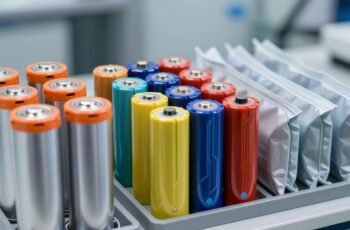
When evaluating energy storage options, understanding the fundamental differences between lithium-ion and LiFePO4 batteries is essential. Both have distinct chemistries, safety profiles, and lifecycle characteristics that influence their suitability for various applications. As we analyze these technologies, it becomes clear that selecting the best choice depends on specific operational needs and long-term considerations. To make an informed decision, we need to take into account their technical trade-offs and how they align with your objectives.
Key Takeaways
- Lithium-ion batteries have higher energy density, making them suitable for portable electronics and EVs, while LiFePO4 prioritizes safety and longevity.
- LiFePO4 offers superior thermal stability and safer disposal, with a longer cycle life of over 2,000 cycles compared to lithium-ion’s 500-1,000 cycles.
- Lithium-ion batteries involve complex manufacturing and contain toxic materials, whereas LiFePO4 has simpler production and is environmentally friendlier to recycle.
- Lithium-ion batteries are more prone to thermal runaway and fire hazards, while LiFePO4’s stable structure reduces these risks.
- Cost considerations favor lithium-ion initially, but LiFePO4 provides better long-term value due to durability and easier recycling.
What Are Lithium-Ion and LiFePO4 Batteries?
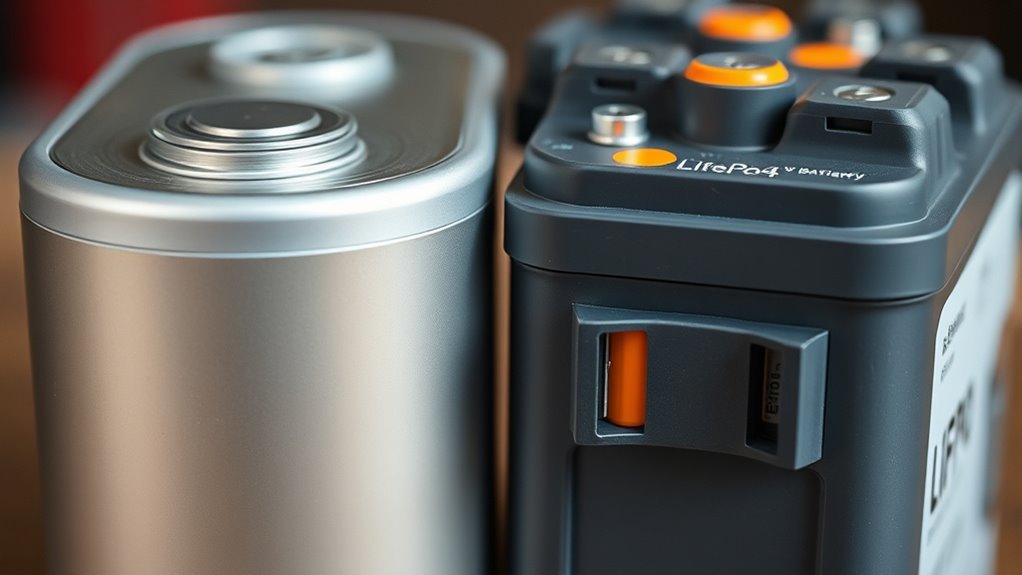
Lithium-ion and LiFePO4 batteries are two prominent types of rechargeable energy storage devices, each with distinct chemical compositions and performance characteristics. Lithium-ion batteries use a lithium cobalt oxide or similar cathode, offering high energy density but raising concerns about resource scarcity and environmental impact. In contrast, LiFePO4 batteries utilize a lithium iron phosphate cathode, providing enhanced thermal stability and longer cycle life. From an environmental perspective, battery recycling plays an essential role in mitigating the impacts of raw material extraction and disposal. LiFePO4 batteries tend to be more environmentally friendly due to less toxic materials and easier recyclability. Understanding these differences helps evaluate their sustainability and influence on overall environmental impact, guiding responsible choices in energy storage applications.
How Do Their Chemistries and Designs Differ?
The core differences between these batteries lie in their chemistry compositions and electrode materials, which directly influence performance and safety. Lithium-ion batteries typically use a variety of cathode chemistries like nickel manganese cobalt, while LiFePO4 employs a phosphate-based cathode, affecting voltage and stability. Their structural designs also vary, with LiFePO4 cells often featuring a more robust and thermally stable architecture, impacting longevity and thermal management.
Chemistry Composition Differences
Although both lithium-ion and LiFePO4 batteries utilize lithium-based chemistries, their fundamental chemical compositions and electrode structures differ markedly, influencing their performance and safety profiles. Lithium-ion batteries typically use cobalt, nickel, or manganese oxide cathodes, which offer high energy density but pose challenges in battery recycling and environmental impact. Conversely, LiFePO4 batteries contain iron phosphate cathodes, providing enhanced thermal stability and safety. Key distinctions include:
- Cobalt content: Lithium-ion batteries often rely on cobalt, impacting environmental sustainability.
- Electrode stability: LiFePO4’s robust crystal structure improves cycle life and thermal stability.
- Recycling complexity: The chemical makeup influences ease of battery recycling processes.
- Environmental footprint: Composition differences directly affect the sustainability and ecological impact of each chemistry.
Electrode Material Variations
How do the electrode materials and designs of lithium-ion and LiFePO4 batteries differ to influence their performance? Lithium-ion batteries typically use layered transition metal oxides like NMC or NCA for cathodes, offering high energy density but limited stability. In contrast, LiFePO4 employs olivine-structured iron phosphate, emphasizing thermal stability and safety. Composition variability in electrode materials affects voltage profiles, cycle life, and energy density. The cathode in lithium-ion batteries allows for higher voltage operation, while LiFePO4’s stable structure results in longer cycle life but lower voltage.
| Feature | Lithium-ion | LiFePO4 |
|---|---|---|
| Electrode Material | Layered transition metal oxides | Olivine iron phosphate |
| Composition Variability | High, influences capacity and voltage | Low, enhances stability and safety |
| Voltage Range | 3.6–4.2 V | 3.2–3.6 V |
| Thermal Stability | Moderate | High |
| Cycle Life | Moderate | Longer |
Structural Design Distinctions
While both lithium-ion and LiFePO4 batteries utilize layered and olivine-structured chemistries respectively, their structural designs differ considerably, influencing performance and safety. Lithium-ion batteries typically feature a liquid electrolyte with a prismatic or cylindrical cell design, making them more prone to thermal runaway. In contrast, LiFePO4 cells often use a solid-state electrolyte or aqueous systems, enhancing thermal stability. These differences affect aspects like battery recycling and environmental impact, as LiFePO4’s robust structure simplifies recycling processes and reduces hazardous waste. Key distinctions include:
- LiFePO4’s stable olivine structure minimizes degradation.
- Lithium-ion’s layered design allows higher energy density.
- Structural robustness impacts safety and lifespan.
- Design variations influence manufacturing and disposal processes.
These distinctions are critical when evaluating long-term sustainability and environmental considerations.
Which Applications Are Best for Lithium-Ion Batteries?
Lithium-ion batteries excel in applications that demand high energy density, rapid charging, and lightweight design, such as portable electronics and electric vehicles. Their ability to deliver substantial power in compact form makes them ideal for these uses. However, their widespread adoption raises concerns about battery recycling and environmental impact, since lithium-ion batteries contain potentially hazardous materials. Efficient recycling processes are essential to mitigate environmental damage and recover valuable materials, but current methods remain complex and costly. These factors influence their suitability for large-scale, long-term applications. While lithium-ion technology offers significant performance benefits, the environmental considerations must be addressed to ensure sustainable deployment. This balance between performance and ecological responsibility defines the most suitable application landscape for lithium-ion batteries.
Why Choose LiFePO4 for Safety and Longevity?
LiFePO4 batteries offer superior safety and longevity due to their enhanced thermal stability, which minimizes the risk of thermal runaway. Their longer cycle life results from a stable chemical structure that withstands repeated charging and discharging cycles without significant degradation. Additionally, their safer chemical composition reduces hazards, making them a reliable choice for critical applications.
Enhanced Thermal Stability
Because safety concerns are paramount in energy storage applications, LiFePO4 batteries offer superior thermal stability compared to other lithium-ion chemistries. This stability reduces risk of thermal runaway, even under high-stress conditions, making them inherently safer. Their robust thermal profile minimizes the likelihood of overheating, which directly impacts environmental impact by decreasing potential hazardous failures. Additionally, their chemical composition facilitates easier battery recycling, further reducing environmental footprint. Key points include:
- Resistance to thermal runaway enhances safety margins
- Lower risk of fire or explosion under extreme conditions
- Stable chemistry supports consistent performance and longevity
- Simplified recycling process reduces environmental impact
These attributes make LiFePO4 a compelling choice for applications demanding reliable safety and sustainability, aligning with responsible battery recycling practices and minimizing environmental hazards.
Longer Cycle Life
While many lithium-ion chemistries experience capacity fade over time, LiFePO4 batteries are renowned for their considerably longer cycle life. This durability stems from their stable crystal structure, which resists degradation during charge-discharge cycles. As a result, LiFePO4 batteries typically sustain 2,000 to 5,000 cycles, markedly surpassing other lithium-ion types. This extended cycle life reduces the frequency of replacements, positively impacting battery recycling efforts and lowering environmental impact. Fewer battery replacements mean less waste and a smaller ecological footprint. Additionally, the robust chemistry of LiFePO4 facilitates safer recycling processes, minimizing hazardous waste. Overall, their longevity and recyclability make LiFePO4 batteries a more sustainable choice for long-term energy storage solutions.
Safer Chemical Composition
The chemical composition of LiFePO4 inherently enhances safety by eliminating many hazards associated with traditional lithium-ion batteries. Its stable phosphate structure resists thermal runaway, reducing fire risks. Additionally, LiFePO4’s non-toxic, environmentally benign materials ease battery recycling and simplify disposal. The manufacturing processes for LiFePO4 are less prone to defect-induced failures, further improving safety. Key advantages include:
- Enhanced thermal stability minimizes overheating risks
- Reduced volatility of cathode materials decreases explosion potential
- Safer chemical profile simplifies battery recycling procedures
- Lower production risks due to more stable manufacturing processes
These factors collectively contribute to a safer battery option, making LiFePO4 preferable for applications demanding longevity and security. Its composition directly impacts both operational safety and end-of-life management.
How Do Energy Densities Compare?
Energy density is a critical factor when comparing lithium-ion batteries and LiFePO4 (lithium iron phosphate) batteries, as it directly influences their suitability for various applications. Lithium-ion batteries typically offer higher energy densities, around 150-250 Wh/kg, enabling longer usage in portable devices. In contrast, LiFePO4 batteries generally range from 90-160 Wh/kg, providing lower energy density but enhanced safety and longevity. This difference impacts battery recycling and environmental impact; higher energy density batteries often present greater challenges for recycling processes due to complex chemistries. The table below summarizes these comparisons:
| Feature | Lithium-ion | LiFePO4 |
|---|---|---|
| Energy Density (Wh/kg) | 150-250 | 90-160 |
| Environmental Impact | Higher due to recycling complexity | Lower, more environmentally friendly |
How Long Do These Batteries Last? (Cycle Life and Durability)
When comparing cycle life and durability, we find that LiFePO4 batteries generally outperform traditional lithium-ion cells, often lasting over 2,000 cycles. Factors such as temperature, charge rates, and operational conditions considerably influence their longevity. Understanding these variables helps us assess how each battery type maintains performance over its lifespan.
Cycle Life Comparison
While both lithium-ion and LiFePO4 batteries are known for their durability, their cycle life performance varies markedly. LiFePO4 batteries typically offer a considerably longer cycle life, often exceeding 2,000 cycles, compared to lithium-ion batteries’ 500-1,000 cycles. This extended lifespan reduces the frequency of replacement, impacting overall environmental impact positively. Key factors influencing cycle life include:
- Chemistry stability: LiFePO4’s more stable chemistry resists capacity fade.
- Charge/discharge rates: Faster rates accelerate degradation.
- Temperature management: High temperatures shorten lifespan.
- Battery recycling: Longer-lasting batteries ease recycling burdens, reducing waste.
Understanding these differences helps optimize sustainability, as longer cycle life supports more effective battery recycling and minimizes resource consumption over time.
Durability Factors
Understanding how long lithium-ion and LiFePO4 batteries last requires examining their durability factors, which directly influence their usable lifespan. Key aspects include cycle life, manufacturing processes, and how they handle repeated charge-discharge cycles. LiFePO4 batteries generally offer higher cycle life due to their stable chemistry, making them more resilient over time. Manufacturing processes also impact longevity, with cleaner, more precise techniques reducing defects and degradation. Additionally, battery recycling plays a vital role in sustainability, as it can mitigate capacity loss caused by aging or damage. Proper design, material choice, and recycling efforts collectively enhance durability, ensuring longer-lasting performance. Recognizing these factors helps us predict battery lifespan more accurately and guides improvements in manufacturing for extended resilience.
Are These Batteries Safe to Use? (Safety Risks and Considerations)
Although both Lithium-ion and LiFePO4 batteries are generally considered safe when properly used, each presents distinct safety risks that warrant careful consideration. Lithium-ion batteries pose a higher risk of thermal runaway, leading to fires or explosions if damaged or improperly charged. Conversely, LiFePO4 batteries are more thermally stable but can still suffer from overcharging or mechanical damage. Safety considerations include:
- Proper thermal management and protective circuitry
- Avoiding physical damage during handling
- Ensuring correct charging protocols
- Responsible battery recycling to minimize environmental impact
While lithium-ion batteries have a more significant environmental footprint due to toxic materials, LiFePO4 batteries are safer and more eco-friendly in disposal. Recognizing these risks helps guarantee safe operation and highlights the importance of responsible recycling practices.
Which Battery Is More Cost-Effective Over Time?
When evaluating long-term cost-effectiveness, Lithium-ion and LiFePO4 batteries differ substantially in initial investment, lifespan, and maintenance costs. LiFePO4 batteries typically have a higher upfront price but offer greater cycle life, reducing replacement frequency. Over time, their durability minimizes total ownership costs. Lithium-ion batteries, while cheaper initially, often require more frequent replacements, increasing long-term expenses. Additionally, the environmental impact influences cost considerations: LiFePO4 batteries are more environmentally friendly, thanks to safer chemistry and easier battery recycling processes. Proper battery recycling reduces disposal costs and environmental liabilities. Conversely, Lithium-ion batteries pose higher environmental risks and disposal costs, affecting their overall cost-effectiveness. Accordingly, when evaluating long-term value, LiFePO4 batteries tend to be more economical despite higher initial investments.
How Should You Maintain and Charge Your Batteries?
Proper maintenance and charging practices are essential to maximize the lifespan and performance of both Lithium-ion and LiFePO4 batteries. Correct charging routines prevent capacity loss and reduce thermal stress, which can lead to safety hazards. To enhance battery health, consider the following:
- Avoid frequent deep discharges to minimize capacity degradation
- Use chargers compatible with each battery chemistry to prevent overcharging
- Maintain ideal operating temperatures to prevent thermal runaway
- Prioritize battery recycling to mitigate environmental impact and recover valuable materials
Adhering to these practices not only extends battery life but also supports sustainable disposal methods, reducing environmental impact. Proper maintenance ensures safety, efficiency, and responsible resource management, which are critical in today’s eco-conscious landscape.
How to Decide Between Lithium-Ion and LiFePO4 for Your Needs
Choosing between lithium-ion and LiFePO4 batteries requires a careful assessment of your specific application requirements, as each chemistry offers distinct advantages and limitations. For instance, lithium-ion batteries excel in energy density and weight, making them suitable for portable devices. Conversely, LiFePO4 batteries provide greater thermal stability, longer cycle life, and safer recycling processes, ideal for stationary storage. When evaluating options, consider factors like battery manufacturing complexity, safety, and environmental impact. The table below highlights key differences:
| Feature | Lithium-Ion | LiFePO4 |
|---|---|---|
| Energy Density | Higher | Lower |
| Safety & Stability | Moderate | Superior |
| Cycle Life | Moderate | Longer |
| Recycling Processes | Complex | Simpler |
| Applications | Portable Devices, EVs | Stationary Storage, Solar |
This analysis guides most suitable choice based on application priorities.
Frequently Asked Questions
How Do Temperature Ranges Affect Lithium-Ion and Lifepo4 Battery Performance?
Temperature stability critically impacts both batteries; lithium-ion performance declines in high or low temps without proper thermal management, while lifepo4 maintains better stability, thanks to superior thermal management, ensuring safer, more reliable operation across diverse temperature ranges.
Can Lithium-Ion and Lifepo4 Batteries Be Recycled?
Like a beacon guiding us through darkness, recycling restores batteries’ life. Both lithium-ion and Lifepo4 batteries can be reclaimed through specialized processes, extending battery lifespan and reducing environmental impact by recycling essential materials efficiently.
What Are the Environmental Impacts of Manufacturing These Batteries?
We recognize that manufacturing these batteries impacts the environment through raw material sourcing and energy-intensive processes, leading to concerns about battery disposal and resource depletion. We aim to improve sustainability by refining sourcing and manufacturing practices.
Are There Differences in Charging Times Between the Two Battery Types?
Coincidentally, we find that Lifepo4 batteries generally have slower charging speeds but better capacity retention over time, whereas Lithium-ion batteries charge faster initially. These differences impact efficiency and longevity in various applications.
How Do These Batteries Perform in High-Drain Applications?
In high-drain applications, Lifepo4 batteries outperform lithium-ion ones due to superior battery longevity and stability, despite higher initial costs. They sustain consistent performance, offering better cost efficiency over time, especially under demanding, high-current conditions.
Conclusion
Ultimately, choosing between lithium-ion and LiFePO4 batteries isn’t just about initial costs or energy density—it’s a calculated dance of safety, longevity, and environmental impact. While lithium-ion may dazzle with its compact power, LiFePO4 quietly excels where durability and safety reign supreme. In our pursuit of sustainable, reliable energy storage, perhaps the smarter choice is the one that outlives fleeting technological trends and embraces a future where safety isn’t an afterthought but a fundamental criterion.