As users of electric scooters, we consider that lithium batteries are essential but carry inherent risks if not handled properly. Ensuring safety involves following strict protocols for charging, storage, and maintenance, as well as recognizing potential hazards like thermal runaway or physical damage. Addressing these concerns proactively can prevent accidents and environmental harm. To fully grasp how to protect ourselves and others, it’s important to consider the detailed guidelines that follow.
Key Takeaways
- Follow manufacturer guidelines for charging, storage, and disposal to prevent thermal runaway and fire hazards.
- Regularly inspect batteries for swelling, leaks, or damage before use or transport.
- Use certified fire extinguishers (Class D or ABC) and evacuate immediately in case of battery fires.
- Store batteries in fire-resistant containers in cool, dry environments, and avoid extreme temperatures.
- Properly recycle damaged or expired batteries at authorized facilities to minimize environmental impact.
Understanding Lithium Battery Risks in Electric Scooters
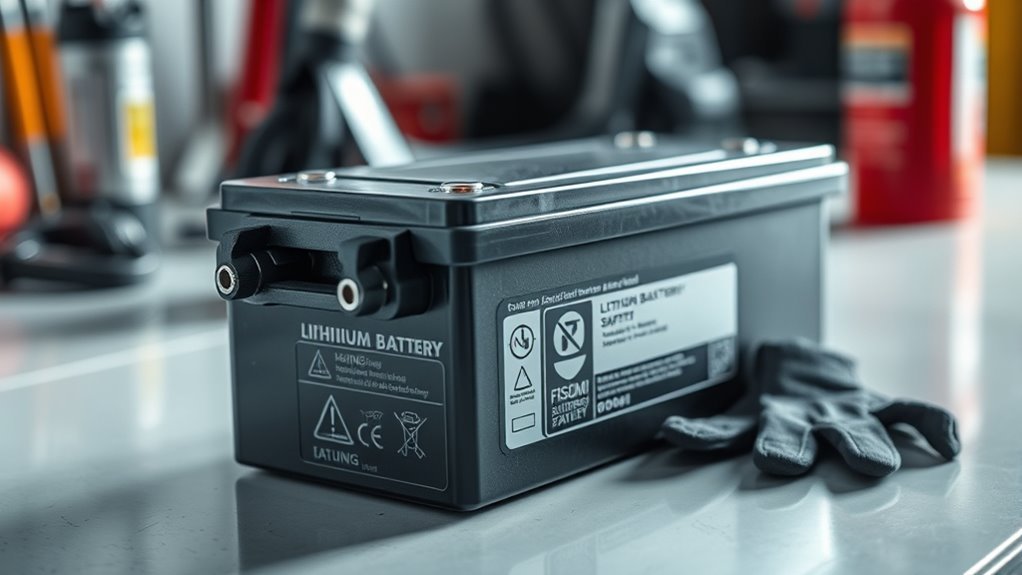
Have you ever considered the specific risks associated with lithium batteries in electric scooters? Understanding these risks requires examining battery chemistry, which influences how batteries respond to stress, damage, or manufacturing defects. Lithium-ion batteries, common in scooters, are susceptible to thermal runaway if compromised, leading to fires or explosions. Safety regulations govern battery design, testing, and disposal to mitigate such hazards, but breaches in these standards can increase risk. Factors like internal short circuits, overcharging, or physical damage can trigger dangerous reactions. Recognizing these potential failure modes emphasizes the importance of adhering to strict safety regulations and ensuring batteries meet industry standards. Proper awareness of lithium battery risks is essential for safe scooter operation and preventing hazardous incidents.
How to Properly Charge and Store Your Scooter Battery
Proper charging and storage are critical for maintaining lithium battery safety and longevity. We need to follow ideal charging protocols, guarantee storage conditions minimize risk, and perform regular maintenance checks. Addressing these points systematically helps prevent potential hazards and extends the battery’s operational lifespan.
Optimal Charging Practices
To guarantee your scooter battery remains safe and maintains peak performance, it’s essential to follow correct charging practices. Always select charging station locations with proper ventilation and stable power sources to prevent overheating or electrical faults. Avoid charging in excessively hot or cold environments, as extreme temperatures can degrade battery health. To optimize battery capacity, charge your scooter to approximately 80-90% rather than full capacity, reducing stress and prolonging lifespan. Use the charger supplied by the manufacturer to ensure compatibility and safety. Regularly monitor charging cycles and avoid overcharging, which can lead to capacity loss. Proper charging practices are vital for battery longevity, efficiency, and overall safety, guaranteeing your scooter remains reliable and ready for use.
Safe Storage Conditions
Ensuring your scooter battery remains safe during storage requires careful attention to both charging and environmental conditions. Proper climate control minimizes risks such as capacity loss or thermal runaway. The optimal storage temperature range is between 0°C and 25°C; exceeding this can degrade battery performance. During storage, avoid exposure to high humidity or direct sunlight. Maintaining a consistent, cool environment prevents self-discharge and prolongs battery life. Use the table below to visualize key storage considerations:
| Climate Control | Storage Temperature | Additional Precautions |
|---|---|---|
| Keep in a cool, dry place | 0°C to 25°C | Disconnect from charger |
| Avoid humidity | Avoid extreme heat | Regularly check battery health |
Adhering to these principles ensures safe, effective long-term storage.
Battery Maintenance Tips
Regularly monitoring and managing how we charge and store our scooter batteries is vital for maintaining peak performance and safety. Proper charging practices include using charger compatibility to prevent overvoltage or undervoltage, which can degrade battery health. We should avoid deep discharges and aim for partial charges to extend lifespan. When storing batteries, keep them in a cool, dry environment to prevent capacity loss. Additionally, responsible battery recycling is essential; always dispose of spent batteries at authorized facilities to prevent environmental hazards.
- Make certain chargers are compatible with your battery model to avoid damage.
- Maintain storage temperatures between 0°C and 25°C for longevity.
- Recycle batteries responsibly, adhering to local regulations and guidelines.
Signs Your Battery Is Damaged and When to Replace It
A battery showing signs of damage can pose serious safety risks, so recognizing early warning indicators is vital. Diminished battery capacity is a key sign, as the scooter may exhibit reduced runtime or inconsistent performance. Charging indicators are also important; abnormal charging behavior, such as prolonged charging times or failure to reach full charge, suggests internal degradation. Swelling, leakage, or unusual heat during operation further signal potential damage. Regularly monitor these symptoms to prevent safety hazards. If you notice persistent issues with capacity or irregular charging indicators, it’s necessary to replace the battery promptly. Using a compromised battery increases the risk of failure, fire, or other safety incidents. Timely replacement ensures safe operation and maintains excellent scooter performance.
Best Practices for Safe Riding and Handling Lithium Batteries
Handling lithium batteries safely during riding is essential to prevent accidents and prolong battery life. Proper handling reduces the risk of thermal runaway, mechanical damage, and electrical faults. Adhering to manufacturer safety standards guarantees compliance with critical safety protocols, such as avoiding over-discharge or exposure to extreme temperatures. To enhance safety, always inspect for leaks, swelling, or corrosion before use. When disposing of batteries, prioritize proper battery recycling to prevent environmental hazards. Additionally, secure the battery firmly within the scooter compartment to prevent dislodgment during transit. Implementing these best practices minimizes safety risks and supports sustainable practices, such as responsible battery recycling, which reduces hazardous waste and conserves resources. Consistently following these guidelines ensures safe riding and responsible battery handling.
Tips to Keep Your Battery Healthy and Last Longer
To maximize your lithium battery’s lifespan and maintain ideal performance, it’s essential to implement specific maintenance practices. Regularly monitor and adhere to manufacturer-recommended charging cycles to prevent overcharging and deep discharges, which can degrade battery health. Always use certified charging stations with appropriate safety features to guarantee charging station safety and avoid potential hazards. Proper battery recycling is critical; dispose of or recycle batteries at authorized facilities to prevent environmental damage and preserve resource integrity. Maintaining optimal operating temperatures also prolongs battery life—avoid extreme heat or cold that accelerates degradation. Routine inspections for physical damage or swelling can prevent safety risks and ensure longevity. Adhering to these practices supports both battery durability and overall safety during operation.
What to Do if Your Battery Catches Fire or Malfunctions
If your lithium battery catches fire or malfunctions, immediate action is critical to prevent injury and damage. We must prioritize safe fire suppression techniques, such as using a Class D or ABC fire extinguisher, and avoid water contact with burning lithium. Additionally, proper disposal procedures are essential to prevent environmental contamination and future hazards.
Immediate Fire Response
What steps should we take immediately if a scooter lithium battery catches fire or malfunctions? Rapid response is critical to mitigate damage and guarantee safety. First, activate emergency firefighting measures by calling emergency services and evacuating the area to prevent inhalation of toxic fumes. Use a Class D fire extinguisher specifically designed for lithium fires, avoiding water, which can intensify the blaze. Confirm fire prevention protocols are in place by isolating the battery from other combustibles and ventilation sources.
- Disconnect the battery from power sources if safe to do so
- Use a fire extinguisher rated for lithium or chemical fires
- Maintain a safe distance and ventilate the area to disperse toxic gases
Safe Battery Disposal
When a scooter lithium battery catches fire or malfunctions, proper disposal becomes a top priority to prevent environmental contamination and further safety hazards. Handling hazardous waste safely involves immediate containment and transportation to authorized facilities. Battery recycling is essential to recover valuable materials and minimize toxic waste. Do not dispose of damaged batteries in regular trash, as they pose fire and chemical risks. Instead, follow local regulations for hazardous waste disposal and contact certified e-waste recyclers. To guarantee safety, use fire-resistant containers for storage until disposal. Proper procedures reduce environmental impact and support sustainable recycling practices.
| Step | Action | Purpose |
|---|---|---|
| 1 | Isolate the battery | Prevent chemical leaks |
| 2 | Store in fire-resistant container | Contain fire risk |
| 3 | Contact certified recycler | Ensure proper hazardous waste handling |
| 4 | Transport carefully | Avoid further damage or leaks |
| 5 | Document disposal process | Maintain compliance and safety |
Frequently Asked Questions
Can I Use Third-Party Chargers Safely With My Scooter Battery?
Using third-party chargers can be risky; confirm charger compatibility with your scooter battery specifications to prevent damage. Non-compatible chargers may void your battery warranty and compromise safety, so always verify compatibility before use.
How Do Weather Conditions Affect Lithium Battery Safety?
Weather hazards, like extreme heat or cold, symbolize nature’s unpredictable power. Temperature impacts lithium battery safety by causing overheating or reduced capacity, so we must monitor conditions closely to prevent risks and maintain ideal performance.
Is It Safe to Leave My Scooter Battery Plugged in Overnight?
Leaving your scooter battery plugged in overnight can risk battery overheating, which compromises charging safety. We recommend unplugging it once fully charged to prevent potential thermal issues, ensuring maximum safety and extending your battery’s lifespan.
What Are the Legal Safety Regulations for Lithium Batteries?
We follow strict legal compliance and safety standards for lithium batteries, ensuring proper regulations are observed. These guidelines encompass transportation, storage, and disposal, safeguarding users and the environment through technical precision and adherence to established safety protocols.
How Do I Dispose of a Damaged or Expired Lithium Scooter Battery?
We dispose of damaged or expired lithium scooter batteries through designated battery recycling facilities, ensuring safe handling of hazardous waste. Never throw them in regular trash; proper disposal prevents environmental harm and complies with hazardous waste regulations.
Conclusion
Together, we must understand the risks, follow safety procedures, and stay vigilant to guarantee safe scooter operation. We should inspect batteries regularly, handle charging with care, and respond promptly to signs of damage. We must prioritize safe riding practices, store batteries properly, and dispose of them responsibly. By maintaining awareness, practicing caution, and adhering to safety guidelines, we protect ourselves, our environment, and our community from potential hazards posed by lithium batteries.