When working with power tool lithium batteries, safety must always be our top priority. These batteries pose risks like thermal runaway, fires, and electrical faults if mishandled or damaged. Ensuring proper handling, storage, and maintenance is essential to prevent accidents. We’ll explore the critical safety practices you need to follow to protect yourself and your equipment—details that could make all the difference in avoiding dangerous situations.
Key Takeaways
- Handle damaged or swollen batteries carefully, and dispose of them properly at authorized recycling centers.
- Use only manufacturer-approved chargers and avoid overcharging to prevent overheating and potential fires.
- Regularly inspect batteries for signs of damage, corrosion, or leakage, and replace or dispose of compromised units.
- Store batteries in a cool, dry place at partial charge (40-60%) to extend lifespan and reduce thermal risks.
- Follow proper procedures when installing or removing batteries, ensuring correct terminal alignment and disconnecting power beforehand.
What Are the Main Risks of Using Lithium Batteries in Power Tools?
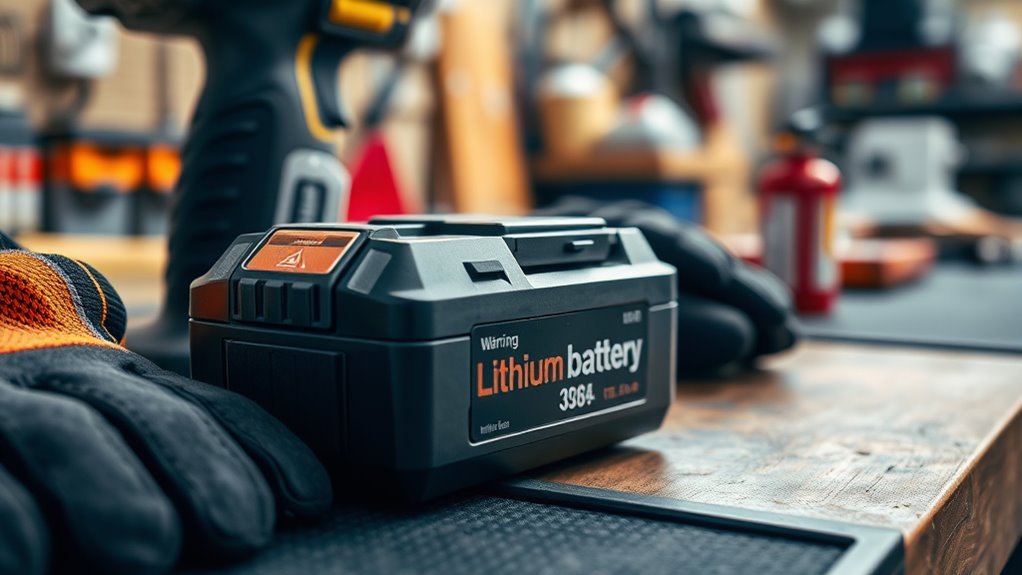
Although lithium batteries offer significant advantages in power tool performance, they also pose notable safety risks if not handled properly. The core concern lies in battery chemistry, which can become unstable under certain conditions, leading to thermal runaway or fires. Incompatible power tools may cause issues if the battery chemistry isn’t suited for specific voltage or current demands, risking overheating or damage. Ensuring proper power tool compatibility is vital to prevent electrical faults or unintended short circuits. Mishandling—such as using damaged batteries or improper charging—can exacerbate these risks. As a result, understanding the specific battery chemistry and verifying compatibility with your power tools are essential safety measures. These precautions help minimize potential hazards associated with lithium battery use in power tools.
How to Spot Damage or Malfunctions in Your Lithium Batteries
Detecting damage or malfunctions in your lithium batteries is essential for safe operation, as unnoticed issues can lead to hazardous failures. Regularly monitor the battery’s lifespan; a significant reduction in capacity often signals internal degradation. Pay close attention to charging indicators—if the battery takes longer to charge, fails to reach full capacity, or displays inconsistent charging behavior, these are warning signs. Visible damage such as swelling, cracks, or corrosion also indicates potential failure. Unusual heat during operation or charging can suggest internal shorts or thermal issues. Conduct routine visual inspections and monitor charging patterns carefully. Recognizing these signs early helps prevent accidents and extends your battery’s safe working life. Always prioritize cautious evaluation to maintain safe tool operation.
Safe Charging and Storage Tips for Lithium Batteries
Proper charging practices and storage conditions directly impact lithium battery safety and longevity. We recommend using designated chargers and avoiding overcharging to prevent thermal risks. Maintaining ideal storage environments also minimizes degradation and reduces the chance of malfunction.
Proper Charging Practices
Ensuring safe charging practices is essential for maintaining the integrity and longevity of lithium batteries in power tools. Proper charging prevents overheating, overcharging, and potential safety hazards. We recommend using chargers compatible with your battery’s specifications and avoiding fast charging unless specified, as high charging speeds can accelerate battery degradation. Always disconnect the battery once fully charged to prevent overcharging. Mindful practices also include timely battery recycling when capacity diminishes, reducing environmental impact and potential safety risks. Additionally, monitor charging temperature, as extreme heat can damage cells. Properly managing these factors ensures optimal battery performance and safety, extending the tool’s lifespan. Adopting cautious charging routines is vital for both user safety and device reliability.
Ideal Storage Conditions
To maintain the safety and longevity of lithium batteries in power tools, it’s essential to store them under ideal conditions. Proper storage minimizes degradation and reduces fire risks. Keep batteries in a cool, dry environment, ideally between 15°C and 25°C, to prevent capacity loss. Avoid extreme temperatures that accelerate aging or cause thermal runaway. When not in use, store batteries partially charged (around 40-60%) to prolong lifespan. Proper storage also facilitates responsible battery recycling, preventing environmental harm. The table below highlights key storage considerations:
| Aspect | Recommendation |
|---|---|
| Storage temperature | 15°C – 25°C, avoid extremes |
| State of charge | 40-60%, not fully charged or depleted |
| Environment | Dry, well-ventilated space |
Adhering to these conditions promotes safe handling and disposal.
Avoid Overcharging Risks
Overcharging lithium batteries can pose significant safety risks, as it may lead to thermal runaway, fires, or battery degradation. To mitigate these dangers, it’s vital to use appropriate chargers and avoid leaving batteries connected beyond their recommended charge cycle. Overcharging can also hinder proper battery recycling, complicating disposal processes. Ensuring charging station safety is essential; always select certified charging stations designed for lithium batteries to prevent overvoltage. Regularly monitor charging status and disconnect once fully charged to prevent overheating. Additionally, avoid charging batteries in extreme temperatures, which can exacerbate overcharge risks. Proper handling and adherence to manufacturer guidelines not only protect users but also support responsible battery recycling practices, minimizing environmental hazards.
How to Install and Remove Batteries Safely
Proper handling techniques and safe removal procedures are essential to prevent damage or injury when installing or removing lithium batteries. We must verify the power is disconnected and avoid applying excessive force during these processes. By following strict safety protocols, we can minimize risks and maintain peak battery performance.
Proper Handling Techniques
Handling lithium batteries safely requires careful attention during installation and removal. Proper handling guarantees the battery’s lifespan is preserved and charging cycles are optimized. We recommend always wearing gloves and eye protection to prevent accidental short circuits or leaks. Confirm the battery is cool and dry before handling, as heat or moisture can compromise safety. When installing, align terminals precisely and avoid forcing the battery into place, which could cause damage. During removal, disconnect slowly and avoid puncturing or bending the cell. These steps minimize risks and maintain battery integrity.
- Confirm compatibility with your tool before installation
- Avoid touching terminals to prevent static buildup
- Store batteries in a cool, dry environment when not in use
- Regularly inspect for damage or swelling to prevent hazards
Safe Removal Procedures
To guarantee safe removal of lithium batteries from power tools, we must follow a systematic approach that minimizes risk and preserves battery integrity. First, verify the tool is powered off and disconnected from any power source. Carefully follow the manufacturer guidelines for removal, avoiding force or improper handling that could damage the battery or the tool. When extracting the battery, grip it firmly but gently, avoiding contact with terminals. Once removed, store the battery in a non-conductive, secure container, and avoid exposure to extreme temperatures or moisture. Proper disposal or recycling is essential; always adhere to local regulations, emphasizing battery recycling to prevent environmental harm. Following these procedures ensures safety during removal, prolongs battery life, and supports responsible disposal practices.
Prevent Overheating During Power Tool Use
While using power tools with lithium batteries, it’s essential to monitor their temperature proactively, as overheating can lead to thermal runaway and potential safety hazards. Effective thermal management prevents battery overheating, minimizing the risk of fires or damage. Overheating often results from prolonged high-load use or inadequate ventilation. To mitigate this, we recommend:
- Ensuring proper ventilation during operation
- Avoiding continuous use beyond manufacturer specifications
- Monitoring battery temperature regularly
- Prioritizing responsible battery recycling to prevent thermal stress
Maintaining ideal thermal conditions not only enhances safety but also prolongs battery lifespan. Proper thermal management reduces the likelihood of overheating incidents, ultimately supporting safe power tool operation and responsible disposal practices.
How to Handle and Dispose of Damaged or Expired Lithium Batteries
When a lithium battery becomes damaged or reaches the end of its useful life, it’s essential to manage it with caution to prevent safety risks. Damaged or expired batteries can pose fire and chemical hazards if mishandled. We recommend following strict disposal procedures, such as placing the battery in a non-conductive container and avoiding puncture or crushing. Proper battery recycling is vital; many facilities accept lithium batteries for safe recycling, which helps recover valuable materials and reduces environmental impact. Never throw lithium batteries in regular trash or incinerate them. Contact local recycling centers or authorized collection points for proper disposal. Handling damaged or expired lithium batteries responsibly minimizes safety hazards and supports environmentally sustainable practices.
Why Use Approved Chargers and Accessories for Lithium Batteries
Using approved chargers and accessories for lithium batteries is essential because incompatible or counterfeit products can compromise safety and performance. Non-certified chargers may deliver incorrect voltage or current, risking overheating, fires, or battery damage. Additionally, using manufacturer-certified accessories ensures adherence to safety standards, reducing hazards. Properly approved chargers facilitate ideal battery recycling processes by maintaining the battery’s integrity and preventing contamination. They also support the longevity of the battery, preserving its capacity and safety features. When selecting accessories, verify manufacturer certifications to ensure compliance with safety regulations. Avoid counterfeit products that often lack proper safety features, which can lead to dangerous failures. Informed choices promote safer operation, proper battery recycling, and adherence to industry standards.
What Should You Do If Your Battery Fires or Explodes?
If a lithium battery catches fire or explodes, it’s essential to act quickly and safely to minimize harm. Immediate emergency response is critical; alert others and move to a safe distance while avoiding inhaling smoke or fumes. Use a Class D fire extinguisher specifically designed for metal fires, or smother the flames with a non-flammable material like sand or a fire blanket if a specialized extinguisher isn’t available. Do not attempt to extinguish with water, as this can worsen the situation. Fire prevention measures, such as keeping batteries away from heat sources and monitoring for signs of damage, are crucial to reduce the risk of such incidents. Remaining calm and acting swiftly can help prevent serious injury or property damage.
Regular Checks to Keep Your Lithium Batteries Safe
Regularly inspecting your lithium batteries is a crucial step in maintaining safety and preventing potential failures. Consistent checks help identify signs of damage or degradation early, reducing risks of fire or explosion. During inspections, look for swelling, corrosion, or leakage, which could indicate internal damage. It’s also essential to follow manufacturer warranties, as damaged batteries may be covered and require proper disposal. Proper battery recycling protocols are critical; do not discard compromised batteries with regular waste. Additionally, keep track of usage cycles and expiration dates to avoid overuse. Regular inspections, combined with cautious handling and adherence to safety guidelines, ensure longevity and safe operation of your power tools’ batteries. Staying vigilant minimizes hazards and supports responsible disposal.
Frequently Asked Questions
Can Lithium Batteries Be Safely Recycled at Home?
We believe lithium batteries shouldn’t be recycled at home due to safety risks. Proper home recycling and battery disposal require specialized facilities to prevent hazards, so always follow local regulations and avoid attempting to recycle lithium batteries yourself.
Are There Specific Weather Conditions That Affect Lithium Battery Safety?
Extreme temperatures and high humidity greatly impact lithium battery safety by increasing the risk of thermal runaway or corrosion. We advise storing batteries in cool, dry conditions, avoiding temperature fluctuations to ensure safe operation and longevity.
How Can I Identify Counterfeit Lithium Batteries?
We identify counterfeit lithium batteries through safety verification methods like checking for inconsistent labeling, irregular packaging, and lack of official certification. Battery counterfeit items often show signs of poor construction, so we remain cautious and verify authenticity thoroughly.
What Are Signs of Aging in Lithium Batteries Beyond Visible Damage?
We observe aging signs in lithium batteries through reduced battery capacity and increased internal resistance, which degrade performance and safety. These indicators suggest the battery’s chemical stability diminishes over time, requiring cautious handling and proper disposal.
Can I Use a Damaged Lithium Battery Temporarily?
We advise against using a damaged lithium battery temporarily; always conduct a thorough damage inspection, avoid risk of fire or explosion, and dispose of the battery properly. Prioritize safety before considering any temporary use or reactivation.
Conclusion
By following these safety tips, we can prevent catastrophic failures like fires or explosions that could devastate our work and lives. Neglecting proper handling or storage might lead to dangerous malfunctions, risking severe injuries and irreversible damage. Let’s prioritize vigilance and strict adherence to safety protocols—because a single oversight could turn a routine project into a nightmare. Stay cautious, stay protected, and never underestimate the power and risks of lithium batteries.