Imagine a motorcycle battery as the heart of your ride—small but crucial, and when mishandled, capable of causing significant damage. With lithium batteries becoming the preferred choice for performance and weight savings, understanding their safety protocols is essential. Each step, from handling to maintenance, carries potential risks that could lead to thermal runaway or fires if overlooked. Ensuring safe operation isn’t just about compliance; it’s about protecting yourself, your bike, and the environment—so, let’s explore how to do this effectively.
Key Takeaways
- Handle and store batteries in a cool, dry place, wearing protective gear to prevent leaks or damage.
- Use compatible chargers and avoid overcharging or deep discharges to maintain battery safety.
- Regularly inspect for damage, swelling, or corrosion, and replace damaged batteries promptly.
- Follow proper installation procedures, ensuring correct polarity and secure connections to prevent accidents.
- Choose batteries with certified safety standards (UL, CE, UN/DOT) for reliable and environmentally responsible use.
Why Motorcycle Lithium Battery Safety Matters
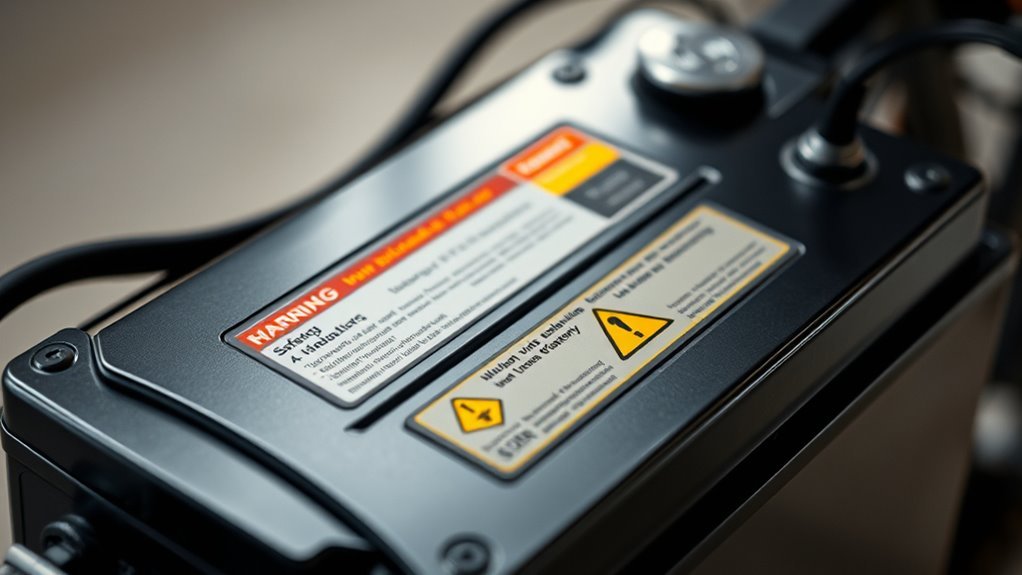
Understanding why motorcycle lithium battery safety matters is essential because these batteries, while offering high energy density and lightweight design, also pose significant risks if not properly managed. Improper handling can lead to thermal runaway, fires, or explosions. Safe charging techniques are critical to prevent overcharging and overheating, which can compromise battery integrity. Additionally, proper battery recycling ensures hazardous materials are disposed of responsibly, reducing environmental impact and potential safety hazards. Recognizing the importance of these practices helps mitigate risks associated with lithium batteries, which are inherently sensitive to voltage, temperature, and physical damage. Implementing strict safety protocols around charging techniques and guaranteeing proper recycling are crucial steps in protecting users and the environment from lithium battery-related incidents.
How to Handle and Store Your Lithium Battery Safely
Proper handling and storage are key to maintaining the safety and longevity of your motorcycle lithium battery. We recommend storing batteries in a cool, dry environment, away from direct sunlight and heat sources, to prevent thermal degradation. When handling, always wear protective gloves and eye protection to minimize risk of leaks or damage. Properly disposing of or recycling lithium batteries is essential; prioritize lithium recycling through authorized facilities to prevent environmental harm and recover valuable materials. Avoid puncturing, crushing, or exposing batteries to moisture, which can lead to thermal runaway or fires. Regularly inspect batteries for signs of swelling, corrosion, or damage. Implementing these safety protocols assures responsible management, reduces hazards, and supports sustainable practices like battery recycling, ultimately extending battery life and safeguarding users.
How to Properly Install and Connect Your Lithium Battery
Before installing your lithium battery, make certain that the motorcycle’s ignition is turned off and the key is removed to prevent accidental electrical engagement. Proper installation requires understanding lithium battery chemistry to avoid damage. Follow these steps:
- Connect the positive terminal to the corresponding positive lead, ensuring a secure, corrosion-free connection.
- Attach the negative terminal to its lead, maintaining proper polarity to prevent short circuits.
- Confirm all connections are tight and insulated correctly, avoiding contact with metal parts.
- Dispose of used or damaged batteries responsibly, considering battery recycling protocols to mitigate environmental impact.
Handling lithium batteries with awareness of their chemistry enhances safety and longevity. Proper installation not only optimizes performance but also aligns with best practices in battery recycling, reducing potential hazards.
Tips for Maintaining Your Lithium Battery’s Safety and Performance
Maintaining your lithium battery’s safety and performance requires consistent attention to proper handling and monitoring practices. Regularly adhering to charging etiquette ensures ideal battery health; avoid overcharging or deep discharges, which can degrade cell integrity. Using a compatible charger with correct voltage and current ratings is essential. Additionally, responsible battery recycling prevents environmental hazards and supports sustainability. Proper disposal or recycling of old or damaged batteries curtails potential safety risks, such as thermal runaway. Monitoring voltage levels and temperature during operation helps identify early signs of malfunction. By integrating these practices—strict charging etiquette, vigilant monitoring, and environmentally conscious battery recycling—you enhance safety, prolong battery lifespan, and ensure peak performance. Consistent, informed maintenance is key to reliable motorcycle lithium battery operation.
How to Identify Damage or Malfunctions in Your Battery
Detecting damage or malfunctions in your motorcycle lithium battery requires careful observation of its operational behavior and physical condition. During a thorough battery inspection, focus on identifying key damage indicators that could compromise safety or performance.
Regularly inspect your motorcycle lithium battery for physical damage and performance issues to ensure safety and optimal operation.
- Unusual swelling or deformation: Physical expansion indicates internal damage or electrolyte leakage.
- Corrosion or discoloration: Corroded terminals or discoloration signals chemical deterioration.
- Persistent failure to hold charge: Rapid voltage loss points to internal short circuits or capacity loss.
- Leakage or foul odor: Evidence of electrolyte leakage or thermal runaway, both critical damage indicators.
Monitoring these signs guarantees early detection of malfunctions, allowing timely maintenance or replacement, and ultimately safeguarding your motorcycle’s electrical system.
Safety Gear and Precautions for Battery Maintenance
Ensuring proper protective equipment, such as insulated gloves and eye protection, is essential to prevent injury during battery maintenance. Adhering to safe handling procedures minimizes the risk of short circuits, leaks, or thermal events. Establishing clear emergency response measures enables prompt action in case of accidents, safeguarding personnel and equipment.
Proper Protective Equipment
When working with motorcycle lithium batteries, wearing appropriate protective equipment is essential to minimize risk and guarantee safety. Essential gear includes protective gloves and safety goggles, which shield against potential chemical leaks, sparks, or shorts. Proper protective equipment provides that accidental contact with corrosive electrolyte or electrical arcs is minimized.
Key protective measures include:
- Wearing protective gloves to prevent skin contact with hazardous substances.
- Using safety goggles to safeguard eyes from splashes or debris.
- Employing insulated tools to reduce electrical shock risk.
- Ensuring a clean, well-ventilated workspace to prevent accumulation of flammable gases.
Adhering to these precautions enhances safety during battery maintenance, reducing the likelihood of injury or damage.
Safe Handling Procedures
Proper protective equipment lays the foundation for safe handling, but following specific procedures during battery maintenance is equally essential to prevent accidents. We emphasize adherence to established charging protocols to avoid overcharging or thermal runaway. When handling lithium batteries, always disconnect the power source and use insulated tools to prevent short circuits. During maintenance, inspect for signs of damage to avoid potential hazards. Properly dispose of or recycle batteries in accordance with battery recycling regulations, minimizing environmental impact and health risks. When recycling, guarantee the battery is fully discharged and transported in designated containers. Maintaining strict procedural discipline reduces the risk of fire, chemical exposure, or electrical shock, assuring safety during routine handling, servicing, or disposal of motorcycle lithium batteries.
Emergency Response Measures
Because lithium batteries can pose fire, chemical, and electrical hazards during maintenance, it’s critical to wear appropriate safety gear and follow strict precautions. Proper safety measures include:
- Conducting regular emergency drills to ensure quick, effective responses.
- Equipping ourselves with personal protective equipment like gloves and safety goggles to prevent chemical exposure.
- Keeping a well-stocked first aid kit nearby, with specific supplies for chemical burns and electrical shocks.
- Training on immediate first aid procedures to minimize injury severity in case of accidents.
These precautions enable prompt, effective responses to incidents, reducing risks associated with battery malfunction. Consistent safety gear use and preparedness are essential to mitigate hazards, guaranteeing safer maintenance practices during emergency situations.
What to Do in Case of a Battery Fire or Accident
In the event of a motorcycle lithium battery fire or accident, immediate and informed action is critical to minimize risks and prevent escalation. First, activate fire suppression measures such as a Class D extinguisher or specialized lithium-ion fire suppression powder to control flames effectively. Do not use water, as it can exacerbate the fire or cause a chemical reaction. Once fire suppression is underway, prioritize safe battery disposal, emphasizing proper battery recycling protocols to prevent environmental contamination. After controlling the situation, ensure the damaged battery is isolated and transported to a certified recycling facility. Recognizing the hazards associated with lithium battery fires underscores the importance of proper handling and disposal, which reduces the likelihood of accidents and supports sustainable battery recycling practices.
How to Choose a Safe and Reliable Lithium Battery for Your Motorcycle
When selecting a lithium battery, we focus on ensuring it meets industry certifications and standards to guarantee safety and quality. Compatibility with your motorcycle’s specifications and proper installation are critical to prevent failures, while understanding capacity helps avoid overloading or underperformance. By systematically evaluating these factors, we can choose a battery that maximizes reliability and safety in operation.
Battery Certifications and Standards
Selecting a lithium battery for your motorcycle requires careful attention to its certifications and compliance with industry standards, which guarantee safety, performance, and reliability. Key certifications include UL, CE, and UN/DOT standards, indicating adherence to rigorous safety protocols. Additionally, manufacturing standards ensure quality control and proper battery recycling processes, reducing environmental impact. To evaluate a battery’s certification:
- Confirm UL certification for safety testing.
- Ensure CE marking aligns with European safety directives.
- Check UN/DOT compliance for transportation safety.
- Review manufacturer adherence to recognized manufacturing standards.
These certifications verify that the battery meets international safety and environmental criteria, minimizing risks of failure or hazards. Reliable standards also promote responsible battery recycling, essential for sustainable use and long-term safety.
Battery Capacity and Compatibility
Choosing the right lithium battery for your motorcycle requires careful consideration of capacity and compatibility to guarantee safe and reliable operation. Battery capacity, measured in ampere-hours (Ah), influences overall performance and the ability to meet your motorcycle’s power demands without overloading. Compatibility involves matching the battery’s voltage and physical dimensions with your motorcycle’s specifications, ensuring proper voltage regulation and preventing electrical issues. An incompatible battery can cause improper battery charging cycles, risking overheating or failure. Additionally, selecting a battery with appropriate capacity helps maintain stable voltage regulation during operation, minimizing voltage drops that could impair electronic components. By precisely matching capacity and compatibility, you ensure ideal performance, safety, and longevity of your lithium motorcycle battery, avoiding potential electrical hazards and enhancing overall reliability.
Proper Installation and Handling
Proper installation and handling are critical steps in guaranteeing the safety and reliability of your lithium motorcycle battery. Correct installation involves verifying compatibility, securing connections, and following manufacturer instructions to prevent short circuits or damage. Handling requires adherence to charging etiquette, avoiding overcharging or deep discharges that could compromise battery integrity. Additionally, responsible battery recycling prevents environmental hazards and supports sustainable practices. To optimize safety, consider these steps:
- Confirm compatibility with your motorcycle’s specifications before installation.
- Use recommended chargers and adhere to proper charging protocols.
- Handle batteries with care, avoiding physical shocks or punctures.
- Dispose of or recycle batteries responsibly through certified battery recycling programs.
Following these guidelines minimizes risks, enhances longevity, and maintains safety standards throughout the battery’s lifecycle.
Frequently Asked Questions
Can I Safely Use a Lithium Battery in All Motorcycle Models?
We believe lithium batteries are suitable for many motorcycle models, but compatibility depends on specific design and electrical systems. Proper battery disposal minimizes environmental impact, ensuring safe use and responsible handling throughout the battery’s lifecycle.
How Long Does a Motorcycle Lithium Battery Typically Last?
Typically, motorcycle lithium batteries last 3-5 years; however, improper storage precautions and neglecting battery recycling can shorten lifespan. Vigilant maintenance and proper disposal guarantee ideal performance and safety, highlighting the need for technical, analytical care.
Are There Specific Charging Practices to Maximize Battery Safety?
We follow strict charging protocols, avoiding overcharging and high voltage exposure, to maximize safety. Adhering to safety precautions, like using recommended chargers and monitoring temperature, guarantees ideal battery performance and reduces risk of thermal runaway.
What Are the Signs of a Lithium Battery Nearing End-Of-Life?
We observe signs like rapid capacity loss, increased internal resistance from battery degradation, and overheating indicators, which suggest the lithium battery is nearing end-of-life. These symptoms highlight the importance of monitoring performance for safety and maintenance.
Is It Safe to Carry Spare Lithium Batteries During Travel?
They say “better safe than sorry,” and carrying spare lithium batteries during travel requires strict compliance with airline regulations and proper battery storage tips. We analyze risks, emphasizing safety protocols to prevent hazards during transit, ensuring secure, regulation-compliant storage methods.
Conclusion
In summary, prioritizing safety when handling motorcycle lithium batteries isn’t just wise—it’s essential. Studies show that proper maintenance and adherence to safety protocols can reduce battery-related incidents by up to 80%. By understanding the risks and following best practices, we minimize hazards like thermal runaway and fires. Implementing rigorous safety measures not only protects us but also prolongs battery lifespan, ensuring reliable performance and environmental safety. Staying vigilant is key to safe, efficient motorcycle operation.