Did you know that improper handling of lithium starter batteries can lead to serious safety hazards, including fires or chemical leaks? Many vehicle owners underestimate the risks involved and overlook proper safety protocols. Ensuring correct installation, maintenance, and storage is crucial to prevent accidents. Understanding these safety measures not only protects your vehicle but also your personal well-being, making it essential to follow proven guidelines—so, let’s explore the critical precautions you should take.
Key Takeaways
- Always follow manufacturer installation instructions and ensure terminals are clean and securely connected.
- Use compatible chargers and avoid overcharging or deep discharging the battery.
- Regularly inspect for signs of damage, swelling, corrosion, or leaks.
- Store in a cool, dry place away from flammable materials and extreme temperatures.
- In case of damage or leaks, evacuate, avoid contact, and contact certified recycling or emergency services.
Why Lithium Starter Batteries Make Your Vehicle Safer
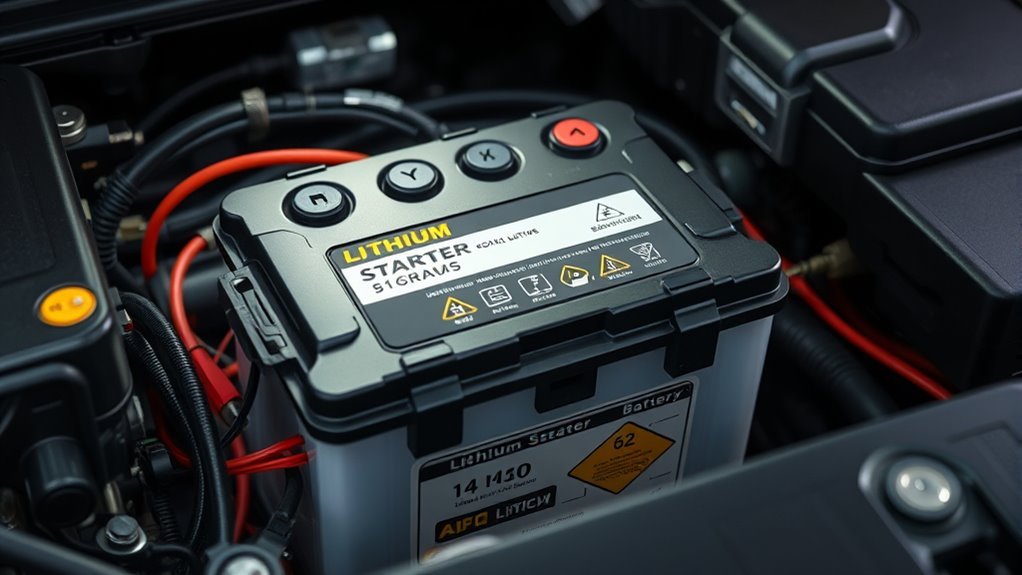
Lithium starter batteries enhance vehicle safety primarily through their superior thermal stability compared to traditional lead-acid batteries. This stability reduces the risk of thermal runaway and fires, ensuring safer operation under extreme conditions. Additionally, lithium batteries offer increased battery longevity, which minimizes the frequency of replacements and reduces maintenance risks. Their longer lifespan also decreases the environmental impact, as fewer batteries are discarded, cutting down on hazardous waste. These features make lithium starter batteries a safer, more reliable choice for modern vehicles. Their consistent performance under high temperatures and demanding conditions further mitigates safety concerns, providing peace of mind for drivers. Overall, the combination of thermal stability, durability, and environmental benefits underscores why lithium batteries enhance vehicle safety effectively.
How to Properly Install Your Lithium Battery
Proper installation of your lithium battery is crucial to guarantee peak performance and safety. Make certain terminals are clean and securely tightened to prevent electrical faults, which can compromise lithium battery lifespan. Follow manufacturer guidelines for correct orientation and connection procedures, avoiding any reverse polarity issues. Use appropriate fuses and circuit protection to prevent overcurrent conditions. Proper installation also involves considering environmental factors, such as avoiding exposure to extreme temperatures that could accelerate degradation. When the battery reaches the end of its lifecycle, prioritize responsible battery recycling to minimize environmental impact. Accurate installation not only maximizes the lifespan of your lithium battery but also reduces safety risks associated with improper handling, ensuring reliable operation over time.
Safe Handling and Transportation of Lithium Batteries
Handling and transporting lithium batteries requires strict adherence to safety protocols to prevent accidents and guarantee compliance with regulations. Proper procedures guarantee chemical stability and reduce risks of thermal runaway or leaks. During transportation, batteries should be securely packaged in non-conductive, flame-resistant containers, with clearly marked labels indicating their hazardous nature. We emphasize the importance of minimizing physical damage, which can compromise the battery’s integrity and lead to dangerous incidents. Safe handling also involves understanding battery recycling protocols to prevent improper disposal, which can harm the environment. Maintaining chemical stability throughout storage and transit minimizes the risk of fires or explosions. Following these safety measures is essential for protecting personnel, property, and the environment, ensuring responsible use of lithium batteries across all stages.
Tips to Maintain Your Lithium Battery and Prevent Safety Risks
Maintaining your lithium battery properly involves following precise charging protocols, conducting routine inspections, and storing it in a secure environment. These practices help prevent overcharging, detect potential issues early, and minimize risks associated with improper storage. Adhering to these guidelines is essential for ensuring safety and ideal battery performance.
Proper Charging Practices
To guarantee safety and prolong the lifespan of your lithium starter battery, adhering to correct charging practices is essential. Always use designated charging stations compatible with lithium batteries, ensuring they meet manufacturer specifications. Avoid overcharging by disconnecting the battery once fully charged, as prolonged high voltage can degrade cells and pose safety risks. Implement proper thermal management during charging to prevent overheating, which can compromise battery integrity. Additionally, responsible battery recycling is vital; avoid disposing of lithium batteries improperly, as this can lead to environmental hazards and safety concerns. Regularly inspect charging equipment for damage before use, and only utilize certified chargers. Following these practices minimizes safety risks, optimizes performance, and supports responsible disposal through proper battery recycling channels.
Regular Battery Inspections
How can regular inspections enhance the safety and longevity of your lithium starter battery? Regular inspections are essential for monitoring battery chemistry stability and identifying potential issues before they escalate. By routinely checking for signs of swelling, corrosion, or leakage, you guarantee the integrity of the battery’s internal components. This proactive approach helps maintain ideal charging safety, preventing overcharge conditions or thermal runaway caused by degraded battery chemistry. Consistent inspection also allows for early detection of voltage imbalances or capacity loss, which can compromise performance and safety. Maintaining a strict inspection schedule minimizes risks associated with lithium batteries, ensuring reliable operation and extending lifespan. Ultimately, diligent monitoring is a critical safety measure to prevent accidents and preserve the integrity of your vehicle’s power system.
Safe Storage Procedures
Proper storage of your lithium starter battery is crucial for ensuring safety and preventing potential hazards. A controlled storage environment should maintain a stable temperature, ideally between 0°C and 25°C, to minimize degradation and thermal risks. We recommend disconnecting the battery from the vehicle if it’s not in use for extended periods. Store the battery in a well-ventilated, dry area away from flammable materials. Implementing appropriate battery recycling practices is essential; do not dispose of lithium batteries improperly. Always inspect the storage container regularly for signs of damage or leakage. Ensuring proper storage conditions reduces safety risks and extends battery lifespan. By adhering to these procedures, you help prevent accidents and promote responsible recycling, safeguarding both users and the environment.
Risks of Overcharging and Deep Discharging : What You Need to Know
Overcharging and deep discharging lithium starter batteries pose significant risks to both their performance and safety. Excessive charging accelerates chemical degradation within the battery, reducing overall battery lifespan and diminishing its capacity over time. Conversely, deep discharging stresses the internal structure, leading to potential cell damage and compromised reliability. These practices disrupt ideal charging cycles, which are essential for maintaining maximum battery health and longevity. Over time, neglecting proper charging protocols can result in decreased starting power and increased failure rates. To guarantee safety and durability, it’s vital to adhere to manufacturer guidelines, avoid overcharging, and prevent deep discharges. Proper management of charging cycles protects the battery’s integrity, ensuring consistent performance and extending its operational life.
Protective Devices and Safety Accessories for Lithium Batteries
Protective devices and safety accessories are essential components in guaranteeing the safe operation of lithium starter batteries. They minimize risks associated with thermal runaway, short circuits, and overcurrent conditions. Key safety measures include battery insulation to prevent accidental contact and fire suppression systems to contain potential fires. These devices serve as critical barriers, reducing the likelihood of catastrophic failures. Proper integration of these safety accessories ensures battery longevity and user safety in automotive applications.
| Safety Feature | Function |
|---|---|
| Battery Insulation | Prevents accidental contact, reduces short circuits |
| Fire Suppression | Extinguishes fires caused by thermal events |
| Circuit Protection | Limits overcurrent, prevents damage |
| Ventilation Accessories | Dispels heat, reduces thermal buildup |
How to Detect and Respond to Battery Leaks or Damage
Detecting battery leaks involves monitoring for visible corrosion, unusual odors, or discoloration around terminals. If damage or leaks are suspected, we recommend isolating the battery immediately and avoiding contact with leaked substances. Proper disposal must follow safety guidelines to prevent environmental contamination or health hazards.
Recognize Leak Symptoms
How can you identify if a lithium starter battery is leaking or damaged? Recognizing leak symptoms requires understanding the chemical composition and its potential indicators. During leak detection, look for visible signs such as corrosion around terminals, swelling of the battery casing, or discoloration. Chemical leaks often produce a pungent odor and may cause residue buildup on nearby surfaces. Additionally, a compromised battery might emit abnormal heat or exhibit irregular performance. Since lithium batteries contain volatile compounds, any sign of seepage or damage warrants immediate attention. Monitoring for corrosion, unusual smells, or physical deformation enables early leak detection, minimizing safety risks. Promptly addressing these symptoms is essential to prevent further damage and ensure safe operation.
Immediate Safety Measures
When a lithium starter battery shows signs of leakage or damage, immediate action is essential to guarantee safety. Rapid assessment of electrolyte stability is critical—any visible leaks or swelling indicate compromised integrity. We must isolate the battery from heat sources, as thermal regulation is essential to prevent thermal runaway. Use protective gear to avoid exposure to corrosive electrolyte or harmful fumes. Ventilate the area to disperse any vapors that could be hazardous. Avoid puncturing or applying pressure, which can escalate damage. Continuously monitor the battery’s temperature and visual condition until professional assistance arrives. Ensuring prompt, controlled responses minimizes risks of fire, chemical exposure, or further damage, safeguarding both personnel and the vehicle.
Proper Disposal Procedures
Identifying a compromised lithium starter battery promptly is essential for safe disposal. Signs of damage include swelling, corrosion, leaks, or a foul odor, indicating potential electrolyte exposure. When such damage is detected, follow strict disposal guidelines to prevent environmental harm and safety hazards. We recommend isolating the battery, avoiding contact with leaked substances, and wearing protective gear. Proper disposal procedures involve consulting local regulations and partnering with certified battery recycling facilities. Lithium batteries contain hazardous materials that must be handled according to disposal guidelines to prevent contamination and fire risks. Never attempt to repair or reuse damaged batteries. Instead, prioritize safe disposal through authorized recycling programs to ensure the materials are properly reclaimed and environmental impact minimized.
Safe Storage Tips for Lithium Batteries When Not in Use
Proper storage of lithium batteries is crucial to guarantee safety and maintain their longevity. When not in use, store batteries in a cool, dry environment with stable temperatures, ideally between 20°C and 25°C. Temperature monitoring is critical, as excessive heat accelerates degradation and increases the risk of thermal events. Avoid exposing batteries to direct sunlight or extreme cold, which can compromise their integrity. Additionally, ensure batteries are stored away from flammable materials and in a well-ventilated area. Proper disposal and recycling of lithium batteries are essential, so always follow local battery recycling protocols to prevent environmental hazards. Regularly inspect stored batteries for signs of damage or swelling, and maintain appropriate safety protocols during storage to mitigate potential risks.
What to Do If Your Lithium Battery Fires or Causes an Emergency
If a lithium battery catches fire or causes an emergency, immediate action is critical to minimize damage and guarantee safety. First, activate a fire suppression system if available, such as a Class D extinguisher designed for lithium fires. Second, evacuate the area to prevent exposure to toxic fumes and heat. Once safe, contact emergency services and avoid attempting to extinguish the fire with water, as it can exacerbate the situation. After containment, focus on proper battery recycling; do not dispose of damaged batteries with regular waste. Ensuring that damaged batteries are handled by certified recycling centers prevents environmental harm and potential re-ignition. Rapid, informed responses are essential for safety and environmental protection in lithium battery emergencies.
Frequently Asked Questions
Are Lithium Starter Batteries Environmentally Friendly?
We believe lithium starter batteries are relatively eco-friendly, thanks to eco-friendly materials and established recycling programs that reduce environmental impact. Proper recycling guarantees hazardous waste is minimized, supporting sustainable practices in automotive battery technology.
How Long Do Lithium Starter Batteries Typically Last?
Lithium starter batteries typically last 3-5 years, with proper maintenance tips ensuring longevity. We recommend regular inspections and avoiding deep discharges to maximize battery lifespan, keeping your vehicle reliable and performance ideal over time.
Can Lithium Batteries Be Used in All Vehicle Types?
We believe lithium batteries can be used in most vehicle types due to their voltage stability, but compatibility varies. Proper battery recycling protocols guarantee safety, while understanding voltage requirements assures peak performance across different vehicle systems.
What Is the Warranty Period for Lithium Starter Batteries?
We find the warranty period for lithium starter batteries typically spans 3 to 5 years, acting as a shield amid evolving safety regulations and battery recycling standards, ensuring reliability and compliance in our technical landscape.
Are There Any Specific Certifications to Look For?
We recommend checking for certification standards like UL, CE, and UN for lithium starter batteries, ensuring compliance with safety and environmental regulations. Proper battery recycling practices are also essential for responsible disposal and long-term safety.
Conclusion
By following these safety guidelines, we guarantee the reliable and secure use of lithium starter batteries in our vehicles. Proper handling, installation, and maintenance are essential for preventing accidents and prolonging battery life. Are we truly prioritizing safety enough to mitigate the risks associated with these powerful energy sources? Staying vigilant and informed not only protects us but also preserves the integrity of our vehicles and environment. Let’s commit to best practices for a safer driving experience.