We prioritize safety, precision, and proper maintenance when handling golf cart lithium batteries. We recognize that careful procedures, from installation to disposal, are essential for maximum performance and risk mitigation. Ensuring correct handling, regular inspections, and adherence to safety standards helps prevent accidents and prolong battery life. Staying informed about best practices is vital, but the key details that can make all the difference might be less obvious — and that’s why we need to explore these safety tips thoroughly.
Key Takeaways
- Always handle lithium batteries with proper protective gear and follow manufacturer installation instructions.
- Regularly inspect connections, terminals, and for signs of swelling or overheating.
- Use compatible chargers and avoid overcharging or deep discharges to ensure safety and longevity.
- Store batteries in a cool, dry place and monitor voltage levels routinely.
- Properly recycle batteries at end-of-life to prevent environmental hazards and safety risks.
How Lithium Batteries Keep Your Golf Cart Safe and Performing Well
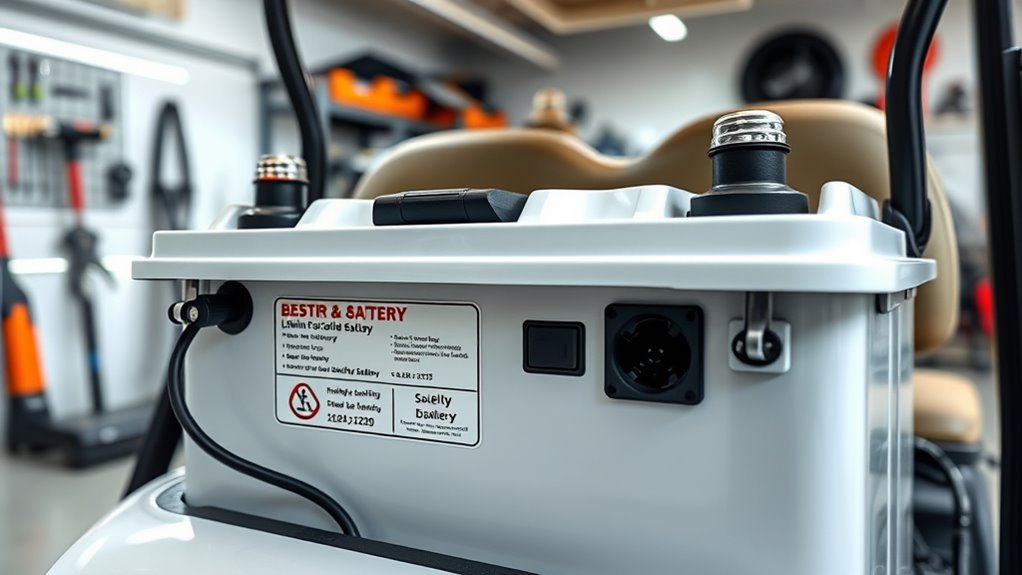
Lithium batteries play a essential role in maintaining the safety and peak performance of your golf cart by utilizing advanced cell chemistry and integrated safety features. Modern lithium battery technology enhances stability, reduces risks of thermal runaway, and guarantees consistent power delivery. These batteries incorporate sophisticated safety mechanisms, such as built-in temperature controls and protective circuitry, minimizing fire hazards and prolonging lifespan. Responsible battery recycling is imperative to prevent environmental contamination and recover valuable materials, emphasizing the importance of proper disposal procedures. By choosing high-quality lithium batteries and adhering to best practices, we optimize safety and performance while supporting sustainable practices through effective battery recycling. This combination of technology and responsible management ensures your golf cart remains reliable and safe for everyday use.
How to Handle and Install Your Lithium Battery Safely
Handling and installing your lithium battery requires meticulous attention to safety protocols to prevent accidents and damage. Always confirm the battery is disconnected from power sources before installation or removal. Use proper personal protective equipment, such as gloves and safety glasses, to mitigate risks associated with potential leaks or thermal events. Verify that your battery has the appropriate lithium battery certifications, confirming it meets safety and quality standards. During installation, avoid short circuits by handling terminals carefully and ensuring correct polarity. Proper battery recycling practices are essential at the end of its lifespan; never dispose of lithium batteries in regular trash. Adhering strictly to manufacturer instructions and safety guidelines ensures peak performance and minimizes hazards during handling and installation.
Top Maintenance Tips to Keep Your Batteries Safe
Regular maintenance is crucial to guarantee your lithium batteries remain safe and perform at their best over time. Proper care extends battery lifespan and ensures safe operation. We recommend routinely inspecting connections for corrosion or looseness, as poor contact can lead to overheating or failure. Additionally, monitor voltage levels to prevent over-discharge, which shortens lifespan. Safe battery recycling is essential at end-of-life; always follow proper disposal procedures to prevent environmental hazards. To visualize key factors:
| Aspect | Action |
|---|---|
| Connectivity | Check for corrosion and secure terminals |
| Usage | Avoid deep discharges to prolong lifespan |
| Disposal | Follow regulated battery recycling protocols |
| Monitoring | Regularly test voltage and temperature |
Adhering to these maintenance practices minimizes safety risks and preserves your investment in lithium technology.
How to Recognize and Address Battery Safety Problems
Recognizing potential safety issues with your battery system is essential for preventing accidents and ensuring reliable operation. Early detection of battery fire prevention concerns, such as overheating, swelling, or unusual odors, is vital. Voltage fluctuation issues can indicate deeper problems, like compromised cell integrity or poor connections, that may escalate if unaddressed. Regularly monitor voltage levels with a multimeter and look for inconsistent readings across cells. Any abnormal fluctuations should prompt immediate inspection and corrective action. Addressing these issues promptly helps prevent thermal runaway and reduces fire risk. Implement strict safety protocols and maintain a detailed log of battery performance to identify patterns. Staying vigilant enables us to mitigate hazards effectively, ensuring a safer and more reliable golf cart operation.
Best Practices for Charging and Storing Your Lithium Batteries
To guarantee the longevity and safety of your lithium batteries, it’s essential to follow strict best practices for charging and storing them. Always use chargers compatible with lithium technology, avoiding overcharging by monitoring voltage levels closely through voltage monitoring systems. Proper storage requires keeping batteries in a cool, dry environment, ideally at a partial charge to minimize capacity loss. Regularly inspect batteries for any signs of degradation or damage. When batteries reach the end of their life, prioritize responsible battery recycling to prevent environmental hazards. Maintaining proper charging routines and storage conditions reduces risks of thermal runaway or fire. Adhering to these technical guidelines ensures safe operation and supports sustainable disposal practices through appropriate battery recycling channels.
Frequently Asked Questions
Can Lithium Batteries Be Safely Used in Extreme Weather Conditions?
Lithium batteries can be safely used in extreme weather, but we caution that extreme temperatures impact battery performance and lifespan. Proper insulation and temperature management are essential to maintain safety and efficiency in harsh conditions.
Are Lithium Batteries Environmentally Friendly and Recyclable?
Think of lithium batteries as eco-friendly seeds—when properly recycled through designated programs, they minimize environmental impact. We recognize their recyclability, but emphasize cautious handling to guarantee they contribute positively without harming our planet’s delicate balance.
What Are the Signs of a Lithium Battery Nearing Failure?
We observe declining battery capacity, frequent charging issues, and overheating signs, which indicate nearing failure. Prioritizing charging safety and monitoring performance helps prevent damage, ensuring ideal operation and avoiding potential safety hazards from lithium battery deterioration.
How Do I Dispose of a Damaged Lithium Battery Properly?
Did you know over 50% of lithium batteries are improperly disposed of? We recommend safe battery recycling, avoiding fire hazards by never incinerating damaged batteries, and following local regulations for responsible disposal. Prioritize fire safety and environmental protection.
Can Lithium Batteries Overheat During Prolonged Use?
Yes, lithium batteries can overheat during prolonged use, risking battery overheating and safety hazards. We recommend strict safety precautions, including monitoring temperature, avoiding overcharging, and ensuring proper ventilation to prevent thermal runaway and maintain safe operation.
Conclusion
By following these safety guidelines, we can guarantee our lithium batteries perform reliably and quietly, avoiding potential pitfalls. Proper handling, vigilant maintenance, and mindful storage act as our first line of defense against unforeseen issues. Let’s remain diligent and proactive, respecting the technology’s capabilities and limitations. Together, we uphold safety standards, prolong battery life, and protect our environment, all while enjoying smooth, worry-free golf cart operation. Safety isn’t just a practice—it’s our shared responsibility.