Like a clock unwinding, lithium batteries gradually lose their precision over time, driven by intricate electrochemical and mechanical processes. Each charge cycle, temperature fluctuation, and deep discharge subtly chips away at their internal structure, accelerating capacity fade. Understanding these underlying mechanisms is essential for optimizing lifespan and performance. But what exactly causes these changes, and how can we mitigate their effects? Exploring these questions reveals the complex dance of degradation that challenges sustainable energy storage.
Key Takeaways
- Repeated charge/discharge cycles cause electrode microcracks, delamination, and capacity fade over time.
- High voltage, deep discharges, and fast charging accelerate electrolyte breakdown and electrode deterioration.
- Elevated temperatures increase chemical reactions, electrolyte decomposition, and internal resistance, shortening battery lifespan.
- Growth of the SEI layer and parasitic reactions reduce active lithium, decreasing energy capacity.
- Proper storage, moderate temperatures, and limited cycling extend lithium battery longevity.
What Causes Lithium Battery Degradation?
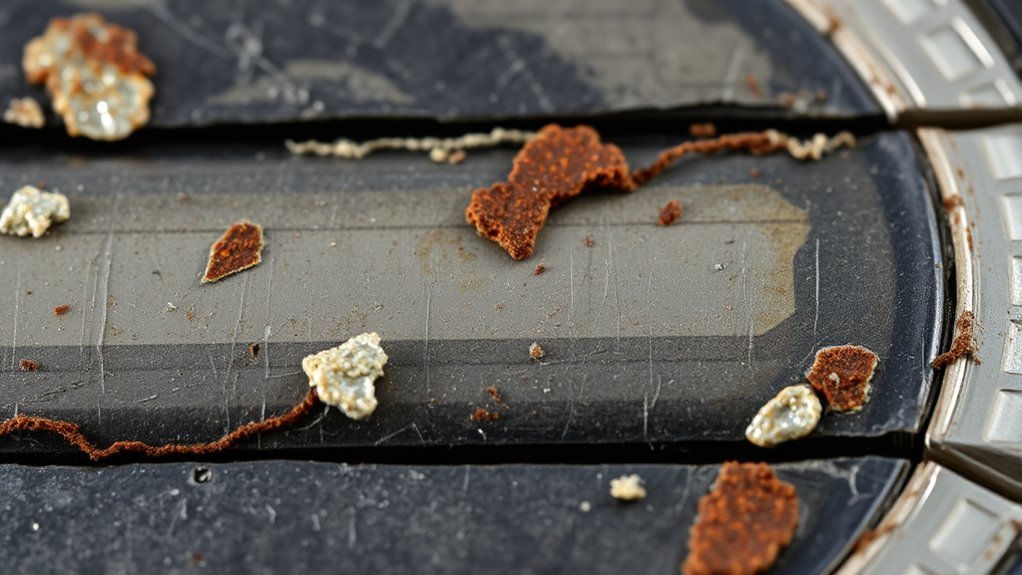
Lithium battery degradation primarily results from complex electrochemical processes that occur during charge and discharge cycles. Over time, repeated cycling causes electrode material breakdown, solid electrolyte interphase (SEI) layer growth, and loss of active lithium, all diminishing capacity. Manufacturing improvements can mitigate some degradation factors by enhancing electrode stability and electrolyte formulation, extending battery lifespan. Additionally, efficient battery recycling plays a vital role in reducing environmental impact and reclaiming valuable materials, encouraging sustainable reuse. These strategies address fundamental causes of degradation, such as material fatigue and irreversible chemical changes. By focusing on advanced manufacturing techniques and effective recycling methods, we can slow degradation processes and improve the overall longevity of lithium batteries, making them more reliable and environmentally friendly over their operational life.
How Do Lithium-Ion Batteries Wear Out Internally?
Internal wear in lithium-ion batteries arises from the ongoing electrochemical and mechanical changes that occur during charge and discharge cycles. Electrode deterioration is a primary factor, where repeated cycling causes structural damage and loss of active material, reducing capacity. Simultaneously, electrolyte breakdown occurs due to high voltages and temperature fluctuations, leading to the formation of solid electrolyte interphase (SEI) layers and parasitic reactions. These processes increase internal resistance and impede ion flow. Mechanical stresses from volume expansion and contraction further exacerbate material degradation, causing microcracks and delamination. Together, electrode deterioration and electrolyte breakdown diminish the battery’s internal integrity, ultimately resulting in decreased capacity, increased resistance, and reduced lifespan. This internal wear underscores the importance of understanding material stability for enhancing battery longevity.
How Do Charge Cycles Affect Battery Lifespan?
Charge cycles considerably influence a battery’s lifespan because each cycle contributes to gradual internal degradation. In lithium-ion batteries, the effects of repeated charge and discharge impact battery chemistry, leading to capacity loss over time. The number of cycles directly correlates with the decline in charge efficiency, as electrolyte decomposition and electrode deterioration accelerate with usage. As the battery endures more cycles, the active materials become less effective at storing and releasing energy, reducing overall capacity. While modern designs aim to optimize cycle life, the fundamental chemistry limits remain. Understanding how charge cycles affect the internal structure helps us gauge longevity. Ultimately, minimizing unnecessary cycles or managing charge parameters can prolong battery lifespan by reducing cumulative damage.
How Temperature Accelerates Battery Degradation?
Temperature plays a critical role in accelerating battery degradation because elevated heat speeds up chemical reactions within the cell, leading to faster wear and tear. High temperatures impact the stability of electrode materials, increasing the rate of side reactions that diminish capacity. This thermal stress causes the electrolyte to decompose more rapidly, resulting in increased internal resistance. Effective heat management becomes essential to mitigate these effects, as excess heat accelerates aging. Maintaining ideal operating temperatures slows degradation processes, prolonging battery lifespan. Conversely, inadequate temperature regulation intensifies degradation, underscoring the importance of thermal control systems. Understanding how temperature impacts chemical stability helps us develop better strategies for managing heat and extending battery durability over time.
Why Overcharging and Deep Discharges Damage Your Battery?
Have you ever wondered how overcharging and deep discharges specifically harm your lithium battery’s health? Overcharge hazards cause excessive voltage, leading to lithium plating and increased internal stress, which accelerates capacity fade. Deep discharge effects, on the other hand, involve discharging the battery below its recommended voltage, damaging the electrode structure and promoting solid electrolyte interphase deterioration. These processes compromise battery longevity and safety. To clarify, consider the following:
| Issue | Impact |
|---|---|
| Overcharge hazards | Lithium plating, increased internal stress |
| Deep discharge effects | Structural damage, electrolyte degradation |
| Result | Reduced capacity, shortened battery lifespan |
| Prevention | Avoid exceeding voltage limits, keep charge cycles ideal |
How Chemical Changes Reduce Battery Capacity?
Chemical changes within a lithium battery fundamentally diminish its capacity over time by altering the electrode and electrolyte structures. Electrolyte decomposition is a key process, where the electrolyte breaks down, producing gases and solid byproducts that hinder ion flow. Simultaneously, SEI layer formation occurs on the anode surface, creating a passivation layer that initially stabilizes the electrode but thickens with age, increasing resistance. These chemical transformations reduce the efficiency of lithium-ion transport, leading to capacity fade. As electrolyte decomposition persists, it exacerbates the growth of the SEI layer and causes irreversible loss of active lithium. Consequently, the battery’s ability to store and deliver energy declines, highlighting how ongoing chemical reactions fundamentally impair long-term performance.
Signs Your Battery Is Wearing Out
As chemical changes gradually impair a battery’s ability to hold and deliver charge, users often notice tangible signs of wear that indicate declining performance. These signs include reduced runtime, longer charging times, and sudden capacity drops. An aging battery may also exhibit increased self-discharge rates, leading to unexplained power loss even when not in use. Recognizing these indicators is essential for timely battery recycling, which minimizes environmental impact by reducing hazardous waste. As degradation progresses, the risk of thermal runaway or leakage increases, emphasizing the importance of proper disposal. Monitoring performance metrics and understanding wear signs help extend battery life and promote responsible end-of-life management, ultimately mitigating environmental harm associated with discarded lithium batteries.
How to Slow Down Battery Degradation?
To effectively slow down battery degradation, we must implement strategies that minimize stress on the battery’s chemical and structural components. Proper management includes avoiding deep discharges and high charging voltages, which accelerate capacity loss. Maintaining ideal operating temperatures is essential, as excessive heat promotes electrolyte decomposition and electrode deterioration. Additionally, promoting eco-friendly disposal and battery recycling ensures that degraded batteries are handled responsibly, reducing environmental impact and potential secondary degradation. Recycling materials like lithium, cobalt, and nickel helps preserve resource integrity and reduces the need for new extraction, indirectly supporting battery longevity through sustainable practices. While these measures don’t halt degradation entirely, they considerably extend operational lifespan and promote environmentally conscious solutions, ultimately balancing performance with responsible resource management.
Best Practices to Extend Lithium Battery Life
Implementing best practices for lithium battery management is essential for maximizing lifespan and maintaining ideal performance. Proper strategies include avoiding deep discharges, storing batteries at moderate temperatures, and minimizing exposure to high voltages. These measures reduce degradation mechanisms, such as electrode degradation and electrolyte breakdown. Additionally, recycling batteries responsibly through established battery recycling programs prevents environmental harm and recovers valuable materials, supporting sustainable energy systems. Emphasizing alternative energy sources also lessens dependency on aging batteries, prolonging their utility. To visualize, consider the following aspects:
| Usage | Storage Conditions | Recycling & Sustainability |
|---|---|---|
| Avoid deep cycles | Keep between 20-25°C | Prioritize recycling |
| Limit high voltage | Store partially charged | Support renewable energy |
| Minimize fast charging | Use in moderate environments | Reduce waste and pollution |
This approach guarantees longevity and aligns with sustainable energy initiatives.
Future Technologies for Battery Durability
Advancements in battery technology are paving the way for more durable and longer-lasting lithium batteries through innovative materials and design strategies. Solid-state batteries, which replace liquid electrolytes with solid electrolytes, promise significant improvements in stability and lifespan by reducing dendrite formation and enhancing thermal safety. Additionally, nanotechnology enables precise control at the atomic level, leading to electrode materials with increased surface area and improved charge transfer efficiency. These innovations address fundamental degradation mechanisms, such as electrode degradation and electrolyte decomposition, by enhancing structural integrity and ion conductivity. As research progresses, integrating solid-state designs with nanostructured materials could revolutionize battery durability, resulting in longer cycle life and higher safety standards for future lithium batteries.
Frequently Asked Questions
Can Lithium Batteries Be Recycled Effectively to Reduce Degradation Impact?
Yes, lithium batteries can be recycled effectively, enhancing recycling efficiency and reducing environmental impacts. We analyze advanced methods that recover valuable materials, thereby decreasing degradation effects and promoting sustainability in energy storage solutions.
How Do Manufacturing Defects Influence Long-Term Lithium Battery Performance?
Like a well-crafted Swiss watch, manufacturing defects can substantially impair long-term lithium battery performance. We focus on manufacturing quality and defect prevention to guarantee consistent performance, minimize degradation, and extend battery lifespan over time.
Does Ambient Humidity Affect Lithium Battery Degradation?
Humidity effects accelerate lithium battery degradation mechanisms by promoting moisture ingress, which leads to electrode corrosion and electrolyte breakdown. We observe that controlling ambient humidity is vital for minimizing long-term degradation and maintaining ideal battery performance.
Are There Specific Brands With Longer-Lasting Lithium Batteries?
Certainly, brands like Samsung and Panasonic stand out for their impressive brand longevity and battery reliability, effectively acting as beacons of durability in the vast ocean of lithium battery options, promising extended performance and dependable longevity.
How Does Storage Location Impact Lithium Battery Longevity?
Storage conditions critically influence lithium battery longevity; ideal temperature management minimizes degradation. Keeping batteries in cool, dry environments reduces chemical stress, prolonging lifespan. Proper temperature control and stable storage environments are essential for maintaining battery health over time.
Conclusion
By understanding the intricate dance of electrochemical and mechanical forces that cause battery wear, we can better protect and extend their lifespan. Proper management acts as a vigilant guardian, slowing the relentless march of degradation. Like tending a delicate garden, mindful practices nurture our batteries, ensuring they remain resilient and efficient. Embracing these insights enables us to harness their full potential longer, transforming fleeting energy into a steadfast partner in our sustainable future.