Just as time reveals the wear on a well-used tool, the signs of lithium battery deterioration become evident through subtle yet critical changes. Recognizing these indicators is essential for maintaining device performance and safety. Understanding what to look for can prevent unexpected failures and costly replacements. We’ll explore the key signs that signal your battery is nearing the end of its lifespan and what actions you should consider before it’s too late.
Key Takeaways
- Your device’s battery drains faster and shows reduced runtime between charges.
- The battery exhibits swelling, bulging, or visible deformation.
- Unexpected shutdowns or reboots occur during normal use.
- Charging takes longer than usual or the charger port shows signs of corrosion.
- The device heats up excessively during charging or use.
How Can I Tell If My Lithium Battery Is Deteriorating?
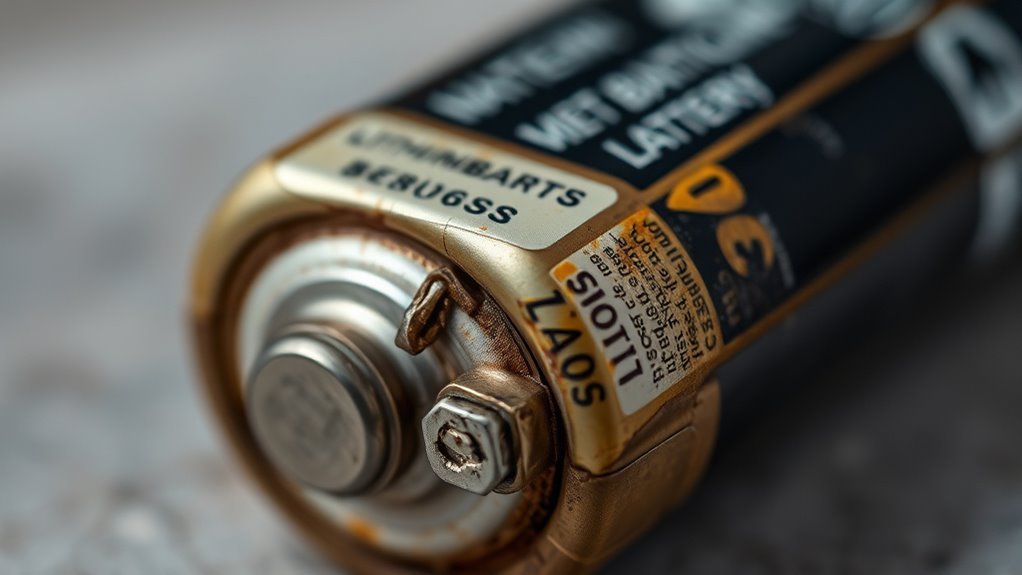
Determining if your lithium battery is deteriorating involves monitoring its performance and capacity over time. A decline in capacity, shorter runtime, or increased self-discharge indicates deterioration. To accurately assess, measure the battery’s voltage and internal resistance regularly. As capacity diminishes, consider options like battery recycling to properly dispose of aging units, reducing environmental impact. Additionally, exploring lithium alternatives, such as sodium-ion or solid-state batteries, can provide sustainable, longer-lasting solutions. Advanced diagnostic tools can help detect subtle changes in performance, ensuring timely maintenance or replacement. Tracking these indicators allows us to identify signs of wear early, preventing unexpected failures and optimizing energy efficiency. Proper management and awareness of battery health are critical for maintaining safety, performance, and supporting sustainable energy practices.
Why Does Lithium Battery Capacity Decline Over Time?
Lithium battery capacity declines over time primarily due to the number of charge-discharge cycles it undergoes and environmental factors such as temperature fluctuations. Repeated cycling causes electrode degradation, while exposure to extreme temperatures accelerates chemical reactions that diminish capacity. Understanding these factors helps explain why batteries gradually lose performance despite proper use.
Battery Cycle Count
As we use a lithium battery, each charge and discharge cycle gradually diminishes its overall capacity. The cycle count indicates the number of complete charge-discharge cycles a battery has undergone, directly correlating with its lifespan. Higher cycle counts typically signal reduced capacity and efficiency. Manufacturers often specify a maximum cycle count before performance declines significantly. Proper battery recycling and responsible lithium manufacturing can mitigate environmental impact, but they don’t prevent capacity loss caused by cycle fatigue.
Understanding cycle count helps predict when a battery might need replacement or refurbishing. It’s essential to monitor this metric, especially as higher cycle counts accelerate capacity degradation, impacting device performance and longevity.
- Limits set during lithium manufacturing influence lifespan
- Recycling processes aim to recover materials before capacity loss
- Cycle count provides a precise measure of battery wear
Environmental Factors Affecting
Environmental factors such as temperature, humidity, and exposure to external elements considerably influence lithium battery capacity over time. Elevated temperatures accelerate electrode degradation, reducing capacity, while extreme cold hampers chemical reactions. Humidity can lead to corrosion and internal damage, impacting longevity. Additionally, environmental conditions affect the battery’s end-of-life phase, influencing decisions about battery recycling and environmental impact. Proper storage minimizes these effects, extending lifespan and reducing waste.
| Temperature | Humidity | External Elements |
|---|---|---|
| Accelerates degradation | Causes corrosion | Physical damage risk |
| Increases capacity loss | Promotes internal faults | External contamination |
| Affects recycling efficiency | Impairs safety | Environmental stressors |
| High temps shorten lifespan | Moisture accelerates aging | Impact on environmental sustainability |
| Ideal conditions enhance durability | Proper management reduces environmental impact | Proper disposal minimizes environmental harm |
Signs Your Device’s Battery Life Is Getting Worse
We often notice our device’s battery life diminishes over time, which can be identified by shorter usage periods between charges. Unexpected power loss, especially during tasks that previously consumed minimal energy, indicates a decline in battery health. Monitoring these signs helps determine when the battery’s capacity has substantially degraded.
Reduced Battery Duration
Have you noticed your device’s battery life considerably shrinking over a short period? This reduction in battery duration often indicates a decline in battery lifespan, caused by cumulative charge cycles and aging. Changes in charging habits, like frequent partial charges or overcharging, can accelerate capacity loss. A battery that drains quickly despite minimal usage suggests deterioration of its internal chemistry.
Key signs include:
- Shortened time between charges, even with low device activity
- Inconsistent battery performance, with rapid drops in remaining power
- Increased time needed to fully recharge or inability to hold a full charge
Monitoring these symptoms helps identify early battery wear. Addressing underlying causes, such as optimizing charging habits, can extend the effective lifespan, but eventual replacement becomes necessary as capacity diminishes.
Unexpected Power Loss
When a lithium battery begins to fail, one of the most telling signs is unexpected power loss during normal use. This phenomenon occurs as capacity diminishes due to electrode degradation and electrolyte breakdown, often signaling a reduced ability to sustain consistent voltage. As a result, devices abruptly shut off or reboot under load. Such failures accelerate the need for responsible battery recycling to prevent environmental harm, especially given the intensive lithium mining involved in manufacturing. Over time, repeated charge cycles cause lithium ions to become less mobile, leading to these power inconsistencies. Recognizing this pattern helps determine when replacement is necessary, prompting consumers to contemplate sustainable options like recycling programs that recover valuable materials, reducing reliance on environmentally taxing mining practices.
Common Battery Behaviors That Indicate Wear
One of the most telling signs that a lithium battery is nearing the end of its lifespan is inconsistent performance during use. This irregularity may manifest as erratic charge levels or rapid voltage drops under load, indicating capacity degradation. Additionally, frequent need for recharging well before expected usage times signals diminished health. Such behaviors often lead users to contemplate battery recycling options or explore lithium alternatives, as replacement becomes inevitable. Recognizing these signs early can help optimize device longevity and inform responsible disposal strategies. Common behaviors include:
- Sudden drops in voltage or capacity during operation
- Increased frequency of recharging cycles
- Reduced overall runtime despite recent full charges
These indicators suggest internal chemical wear, emphasizing the importance of monitoring battery health and planning for timely replacement.
How Do I Know If My Battery Is Swelling or Bulging?
A clear sign that a lithium battery is failing is visible physical deformation, such as swelling or bulging. This abnormality often results from internal chemical reactions caused by battery aging, improper battery storage, or manufacturing defects. Swelling indicates that gases are accumulating within the cell, compromising structural integrity and safety.
| Cause | Effect |
|---|---|
| Battery storage | Excessive heat or cold accelerates expansion |
| Manufacturing defects | Faulty seals or materials lead to gas buildup |
| Overcharging | Increased internal pressure causes bulging |
| Age and wear | Long-term use weakens internal components |
Detecting swelling early is vital to prevent safety hazards. If your battery appears swollen or bulging, discontinue use immediately and replace it.
Why Is My Phone Taking Longer to Charge?
When a phone takes longer to charge, factors like battery age and accumulated wear can reduce its ability to accept current efficiently. Obstructions in the charging port or using incompatible chargers can also impede proper electrical transfer. Identifying and addressing these issues guarantees peak charging performance.
Battery Age and Wear
As lithium batteries age, their ability to efficiently hold and deliver charge diminishes, leading to longer charging times. Over time, repeated charge cycles cause degradation in battery chemistry, reducing capacity and increasing internal resistance. This process is accelerated by manufacturing defects that compromise electrode integrity or electrolyte stability. As internal resistance rises, charging currents slow, resulting in extended charging periods. Additionally, battery aging manifests as diminished voltage stability and increased heat during charging. These changes are indicative of irreversible chemical transformations within the cells, which impair overall performance. Regular monitoring of battery health can reveal these signs early, preventing unexpected failures. Understanding the effects of aging helps in diagnosing issues linked specifically to battery wear, distinct from external factors like charging port problems.
- Increased internal resistance due to chemical degradation
- Capacity loss from repeated charge cycles
- Impact of manufacturing defects on cell stability
Charging Port Obstructions
Charging port obstructions are a common cause of extended charging times, often overlooked amid concerns about battery health. Obstruction issues typically result from debris, dust, lint, or corrosion accumulating within the charging port, disrupting the electrical connection between the charger and device. These obstructions hinder proper current flow, forcing the device to take longer to reach full charge. Regular inspection of the charging port can help identify such issues early. Using a non-metallic tool to carefully clear debris and keeping the port dry minimizes obstruction risks. If obstruction issues persist despite cleaning, it may indicate internal damage or corrosion, which could require professional repair. Addressing charging port obstructions guarantees maximum charging efficiency and prolongs battery lifespan.
Charger Compatibility Issues
Using the wrong charger can considerably slow down your device’s charging process, even if it appears to be working. Charger compatibility directly impacts battery management efficiency, as incompatible chargers may not deliver the correct voltage or current. This mismatch forces the device to operate suboptimally, extending charging times and potentially harming the battery’s health.
Key factors include:
- Voltage and current mismatch: Using a charger with insufficient power limits charging speed.
- Cable quality issues: Poor-quality cables can interfere with proper power transfer.
- Incompatible fast-charging protocols: Some chargers do not support your device’s specific fast-charging standards, reducing overall charging efficiency.
Ensuring compatibility between your charger and device optimizes battery management and maintains battery longevity.
What Causes Unexpected Shutdowns When Battery Isn’t Empty?
Unexpected shutdowns can occur even when a lithium battery still shows remaining charge, often due to internal cell imbalances or damage. These issues disrupt accurate voltage readings, causing the device to interpret the battery as depleted prematurely. Cell imbalances may result from manufacturing defects, aging, or repeated charge cycles, leading to uneven voltage distribution within the pack. Damage from external impacts or improper charging can also impair internal components. When a battery exhibits such behavior, considering battery recycling options becomes essential to prevent environmental harm. Additionally, exploring lithium alternatives like solid-state batteries or other chemistries might reduce vulnerability to internal failures, potentially mitigating unexpected shutdowns. Identifying these root causes helps optimize battery performance and longevity, ensuring devices operate reliably despite the wear.
How Does Overheating Accelerate Battery Wear?
Overheating considerably accelerates the degradation of lithium batteries by triggering chemical and physical changes within the cells. Elevated temperatures cause electrolyte decomposition, leading to increased internal resistance and capacity loss. Overheating also accelerates solid electrolyte interphase (SEI) layer breakdown, reducing cycle life. This thermal stress results in lithium plating, which can cause dendrite formation and potential short circuits. Additionally, excessive heat impacts the battery’s overall lifespan, emphasizing the importance of proper thermal management. The environmental implications include increased demand for battery recycling and a higher need for sustainable lithium mining practices. Efficient thermal regulation prolongs battery lifespan and mitigates environmental impact, supporting responsible resource use and reducing waste.
- Electrolyte decomposition and increased resistance
- Lithium plating and dendrite formation
- Accelerated capacity fade and reduced cycle life
How Can I Test My Lithium Battery’s Health at Home?
To assess your lithium battery’s health at home effectively, we can perform a few practical tests that provide insight into its capacity and performance. One method involves measuring voltage discharge rates under controlled loads, which indicates capacity loss over time. Additionally, tracking the battery’s charge cycle count helps estimate remaining lifespan, as frequent cycling accelerates wear. While simple tools like multimeters can measure voltage, more advanced apps can analyze voltage curves during charging and discharging. Understanding battery recycling importance highlights the need to monitor battery health to minimize waste and environmental impact, especially considering the environmental costs of lithium mining. Regular testing guarantees suitable performance and guides timely replacements, reducing the environmental footprint associated with improper disposal of worn batteries.
When Should I Replace My Lithium Battery?
When determining the appropriate time to replace your lithium battery, it’s essential to monitor key performance indicators such as capacity retention, voltage stability, and cycle count. A significant decline in capacity (below 80%), inconsistent voltage output, or reaching the manufacturer’s cycle life indicates replacement is necessary. Additionally, if the battery’s performance impacts device functionality or safety, replacement should occur promptly. Understanding different lithium battery types helps *guarantee* proper disposal and recycling, aligning with environmental regulations. Proper timing prevents potential safety hazards and optimizes device performance.
- Capacity drops below 80% of original
- Increased voltage fluctuations or instability
- Reaching the manufacturer’s cycle limit, prompting battery recycling considerations
Frequently Asked Questions
Can Lithium Batteries Be Repaired or Refurbished?
We can often repair lithium batteries through specialized repair techniques, but refurbishment depends on thorough battery testing. If damage is extensive, replacing cells is typically more reliable, ensuring safety and ideal performance for your device or system.
How Does Temperature Affect Lithium Battery Lifespan?
In the days of yore, temperature management substantially impacts lithium battery lifespan. Excessive heat accelerates battery degradation, while cold reduces efficiency; maintaining ideal temperatures minimizes degradation, extending overall battery life and ensuring reliable performance over time.
Are There Safe Ways to Dispose of Worn-Out Batteries?
We guarantee disposal safety by recycling batteries through certified facilities, preventing environmental hazards. Always follow local regulations, avoid incineration or landfill disposal, and handle worn-out lithium batteries with care to mitigate fire risks and hazardous exposure.
What Are the Risks of Using a Damaged Lithium Battery?
Using a damaged lithium battery risks battery corrosion, which can lead to leakage or fire, and charging inconsistencies that cause overheating or reduced efficiency. We advise handling damaged batteries carefully to prevent safety hazards and guarantee peak performance.
How Can I Extend My Lithium Battery’s Overall Lifespan?
We believe your battery’s lifespan depends on proper calibration and smart charging habits; regularly calibrate by full discharges and avoid overcharging to prevent premature wear, ensuring your lithium battery remains as resilient as the strongest steel.
Conclusion
In the end, a healthy battery is crucial for ideal device performance, and recognizing early signs of wear can prevent failure. As they say, “A stitch in time saves nine,” so addressing battery issues promptly ensures safety and longevity. Regular checks and awareness of physical and performance indicators allow us to maintain reliability. By understanding these signs, we can make informed decisions about when to replace our lithium batteries, safeguarding both our devices and ourselves.