Swollen lithium polymer batteries present a significant safety concern due to internal gas buildup that can lead to fires, explosions, or chemical leaks. Handling these batteries improperly can trigger dangerous thermal runaway, risking personal injury and environmental harm. Recognizing the signs and understanding proper response procedures are essential to mitigate these risks. As we explore the causes and preventive measures, it becomes clear that addressing battery swelling promptly is vital for safety and device longevity.
Key Takeaways
- Swelling indicates internal gas buildup that can lead to thermal runaway, fires, or explosions.
- Puncturing or compressing a swollen battery can cause dangerous chemical leaks and fires.
- Swollen batteries are more susceptible to short circuits and structural failure.
- Handling or disposing of swollen batteries improperly increases environmental and safety hazards.
- Immediate professional disposal and avoiding recharging are critical to prevent accidents.
What Causes Lithium Polymer Batteries to Swell?
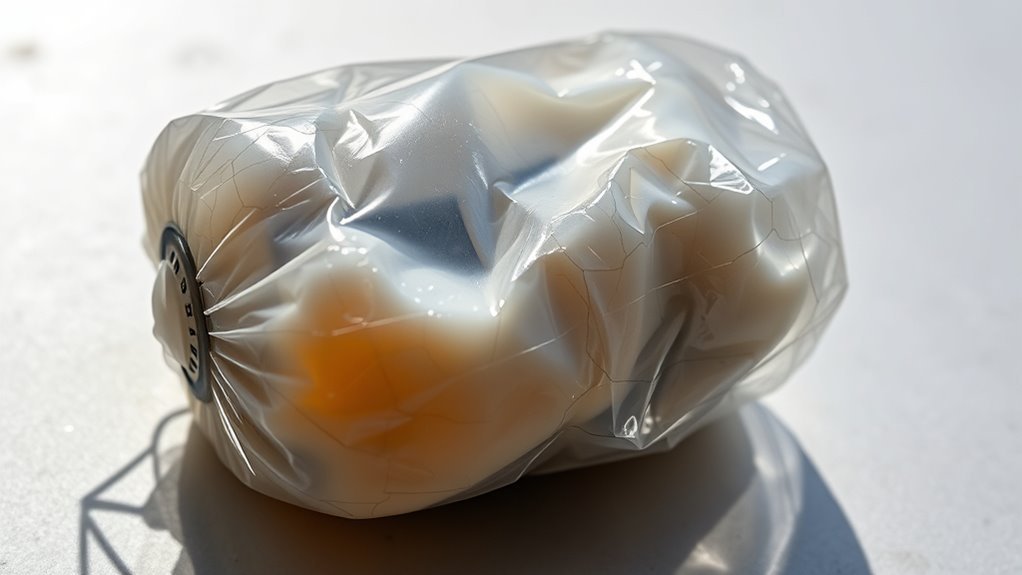
Swellings in lithium polymer batteries typically result from internal gas buildup caused by chemical reactions within the cell. This process is heavily influenced by battery chemistry, as unstable or degraded electrolyte compounds produce gases when subjected to stress or aging. Poor manufacturing quality can exacerbate this issue, leading to inconsistencies in electrode coatings or separator integrity, which heighten the risk of internal faults. Variations in manufacturing standards may introduce impurities or defects that accelerate gas generation. Additionally, improper handling or overcharging can trigger abnormal chemical reactions, further increasing internal pressure. Ultimately, both battery chemistry and manufacturing quality play critical roles in the development of swelling, as they determine the stability and integrity of the cell’s internal environment.
How Does Swelling in LiPo Batteries Signify Danger?
Swelling in LiPo batteries indicates internal damage that compromises cell integrity and safety. This deformation raises the risk of thermal runaway, potentially causing fires or explosions. Recognizing swelling as a clear warning allows us to prevent hazardous failures before they occur.
Indicators of Internal Damage
How can you tell if a LiPo battery has sustained internal damage? Indicators include abnormal swelling, which results from compromised battery chemistry or manufacturing defects. Swelling suggests gas buildup inside the cell, often caused by internal short circuits or degradation of electrode materials. Other signs are irregularities in shape, such as bulging or warping, and difficulty fitting the battery into its compartment. The table below summarizes key indicators:
| Indicator | Cause | Implication |
|---|---|---|
| Swelling or Bulging | Internal gas buildup | Damage from manufacturing defects or degraded chemistry |
| Irregular Shape | Structural failure | Internal damage compromising integrity |
| Hard or Unresponsive Cell | Electrode degradation | Reduced capacity and increased risk |
Recognizing these signs helps identify internal damage before further hazards develop.
Risk of Fire or Explosion
When a LiPo battery begins to swell, it signals a dangerous buildup of gases caused by internal chemical reactions or damage. This swelling indicates a breakdown of the battery chemistry, often resulting from overcharging, thermal stress, or manufacturing defects. As gases accumulate, pressure increases within the sealed casing, elevating the risk of rupture or fire. Swelling compromises the structural integrity of the battery, making it more susceptible to short circuits and thermal runaway. Poor adherence to manufacturing standards can exacerbate these risks, leading to inconsistent internal components and increased likelihood of failure. Recognizing swelling as a critical warning sign is essential, as it directly correlates with heightened fire and explosion hazards. Immediate action is necessary to prevent catastrophic consequences.
Are Swollen LiPo Batteries Safe to Use?
While swollen LiPo batteries may still appear functional, using them poses significant safety risks. The deformation indicates internal damage, which compromises the battery’s ability to maintain proper capacity and safe operation. A swollen cell often results from excessive charging cycles or over-discharge, both of which degrade the internal structure. This damage can cause unpredictable behavior, such as sudden voltage drops or thermal runaway. Reusing a swollen battery risks fire, explosion, or further damage to connected devices. The diminished battery capacity also means reduced runtime and efficiency. Given these hazards, it is crucial to discard swollen LiPo batteries safely rather than attempt to reuse or repair them. Prioritizing safety helps prevent potential accidents and device failures.
How to Tell If Your LiPo Battery Is Swollen
To identify if your LiPo battery is swollen, we start with a careful visual inspection for bulges, warping, or irregular swelling. Unusual behavior during use—such as sudden power loss, overheating, or swelling after charging—also indicates potential damage. Always follow strict safety precautions when handling suspect batteries to prevent hazards.
Visual Inspection Tips
A swollen LiPo battery is a clear indicator of internal damage or failure, and identifying this issue through visual inspection is essential for safety. Begin by carefully examining the battery pack for any convex or bulging surfaces, which are signs of gas buildup inside. Check for irregularities in shape compared to a new or properly maintained battery. Pay attention to swelling around the edges or corners, which suggests compromised cell integrity. Additionally, review your charging habits—overcharging or inconsistent charging can accelerate swelling, so confirm your charger settings are correct and avoid prolonged charging. Also, look for any leaks, cracks, or discoloration on the battery surface. A combination of shape distortion and poor charging practices signals a high risk, warranting immediate battery removal and replacement.
Unusual Battery Behavior
Unusual behavior in a LiPo battery often signals underlying issues, especially when it deviates from normal operation. Common signs include sudden voltage drops, inconsistent power delivery, or overheating during use, which can indicate swelling or internal damage. Many battery myths suggest that swelling is the only visible sign, but subtle performance changes can also reveal problems. It’s essential to review your charging routines, as improper charging—overcharging or using inadequate chargers—can accelerate deterioration, leading to abnormal behavior. If your battery exhibits these symptoms, it’s a red flag that warrants further inspection. Recognizing these signs early helps prevent catastrophic failures and extends battery lifespan. Always question assumptions based on myths, and prioritize precise diagnostics over assumptions to maintain safety and performance.
Safety Precautions
How can you accurately determine if your LiPo battery is swollen? Visual inspection is paramount. Look for bulging or deformation in the battery casing, which indicates internal pressure buildup. Conduct a tactile check—if the battery feels soft or uneven, it’s compromised. Maintaining proper battery maintenance and adhering to charging safety protocols can prevent swelling, but identifying early signs is essential. Use the following table as a reference:
| Indicator | Method of Detection | Action Required |
|---|---|---|
| Visible Bulging | Visual inspection | Discontinue use immediately |
| Soft or Uneven Surface | Tactile assessment | Replace battery |
| Foul Odor | Smell test | Dispose safely |
| Overheating During Charging | Temperature monitoring during charge | Stop charging, inspect or replace |
Prompt recognition minimizes risk and enhances safety.
What Should You Do If Your LiPo Battery Swells?
When a LiPo battery begins to swell, immediate action is essential to prevent potential safety hazards. Swelling indicates internal damage or gas buildup, risking fire or explosion if mishandled. First, disconnect the battery from any device and avoid puncturing or applying pressure. Place the swollen battery on a non-flammable surface in a well-ventilated area, away from flammable materials. Do not attempt to charge or discharge it further. Contact local hazardous waste facilities for proper battery recycling procedures, as damaged batteries must be disposed of responsibly. Follow specific charging guidelines if reusing batteries in the future, but only after professional inspection. Always prioritize safety, and never ignore signs of swelling, which signal compromised internal integrity requiring expert handling.
How to Prevent Swelling in Your Lithium Polymer Batteries
To effectively prevent swelling in your lithium polymer batteries, it’s essential to follow proper usage, charging, and storage protocols. Adhering to recommended voltage limits, avoiding overcharging, and monitoring temperature during operation reduces stress on the cell. Implementing correct storage guidelines—such as storing batteries at partial charge (around 50%) in a cool, dry environment—minimizes degradation. Additionally, responsible battery recycling prevents improper disposal, which can lead to damage and swelling. Proper handling and timely recycling prevent accumulation of micro-damage that contributes to swelling. Here’s a quick overview:
| Usage & Charging | Storage Guidelines | Recycling Practices |
|---|---|---|
| Avoid overcharging | Store at 50% charge | Recycle at authorized centers |
| Use compatible chargers | Keep in a cool, dry place | Prevent environmental hazards |
| Monitor temperature | Limit exposure to heat | Reduce risk of swelling |
When and How to Safely Dispose of a Swollen LiPo Battery
A swollen LiPo battery indicates a critical failure that poses safety risks, requiring immediate and proper disposal. To guarantee safety and environmental responsibility, follow these steps:
- Isolate the battery from flammable materials and avoid puncturing or compressing it.
- Contact local disposal regulations to identify approved disposal or battery recycling facilities.
- Transport the battery in a non-conductive, fire-resistant container, avoiding contact with metal objects.
- Take the battery directly to a certified recycling center or disposal site, never discard in regular trash.
Proper disposal minimizes fire hazards and environmental impact. Adhering to disposal regulations and prioritizing battery recycling ensures safety and compliance with legal standards. Always handle swollen batteries with caution and seek professional guidance when necessary.
What Are Manufacturers Doing to Make LiPo Batteries Safer?
Manufacturers are actively implementing advanced safety features and design modifications to reduce the risks associated with LiPo batteries. They focus on optimizing battery chemistry to enhance thermal stability and minimize the likelihood of thermal runaway. Strict adherence to manufacturing standards guarantees consistent quality control, reducing defects that could lead to swelling or failure. Innovations include incorporating safer electrolyte formulations, improved separator materials, and integrated protective circuitry to prevent overcharging and overheating. Additionally, many companies enforce rigorous testing protocols during production to identify potential safety issues before market release. These measures collectively aim to improve the overall safety profile of LiPo batteries, helping prevent incidents like swelling or rupture. By continuously refining battery chemistry and complying with high manufacturing standards, manufacturers are making significant strides toward safer, more reliable LiPo technology.
Frequently Asked Questions
Can Swollen Lipo Batteries Cause Fires?
Swollen LiPo batteries can indeed cause fires due to compromised battery safety, as internal damage may lead to thermal runaway. We advise handling such batteries carefully, avoiding punctures, and properly disposing of them to prevent fire hazards.
How Long Does It Take for a Lipo Battery to Swell?
Lipo batteries can swell within days to weeks if improperly maintained or overcharged. To prevent swelling, we recommend regular battery maintenance, proper storage, and avoiding over-discharge, which collectively guarantee swelling prevention and extend battery lifespan.
Are There Specific Signs Besides Swelling Indicating Battery Failure?
Coincidentally, cracked or bulging battery casings often signal poor battery health, caused by swelling. Besides swelling, signs include overheating, rapid discharges, or reduced capacity, all indicating potential failure and the need for immediate battery health assessment.
Can Swelling Occur in New Lipo Batteries?
Swelling can occur in new LiPo batteries due to manufacturing defects or inadequate quality control processes, which may lead to internal cell damage. We advise inspecting new batteries thoroughly, as manufacturing inconsistencies sometimes cause early swelling.
What Protective Gear Should I Wear When Handling a Swollen Battery?
Irony aside, handling a swollen battery demands protective gloves and safety goggles—precise gear to shield against potential leaks or explosions. We insist on these safety measures to minimize risk during removal or disposal of compromised lithium polymer batteries.
Conclusion
In summary, recognizing and addressing swollen LiPo batteries promptly is essential for safety. For example, a drone enthusiast ignored swelling signs, leading to a thermal runaway and fire. By understanding the causes, signs, and proper disposal methods, we can prevent accidents and protect ourselves and the environment. Staying vigilant and proactive not only guarantees device longevity but also minimizes hazardous risks associated with battery failure.