Imagine a sleek, high-capacity lithium iron phosphate battery quietly powering a critical system, its safety features silently at work. While these batteries are known for stability, understanding their limits and proper handling is essential to prevent hazards like overheating or leaks. Ensuring safe operation requires a precise approach to charging, maintenance, and storage. As we explore the key safety principles, you’ll see how vigilance and knowledge are crucial to maintaining both performance and safety over time.
Key Takeaways
- Follow proper charging protocols and avoid overcharging or deep discharges to ensure safety and longevity.
- Regularly inspect batteries for physical damage, swelling, leaks, or overheating signs.
- Use appropriate personal protective equipment, including flame-resistant gloves and safety glasses during handling.
- Store batteries in cool, dry environments at about 50% charge to prevent degradation and hazards.
- Be familiar with emergency procedures for thermal runaway, leaks, and fire, and use proper disposal methods.
Understanding Lifepo4 Batteries and Their Safety Risks
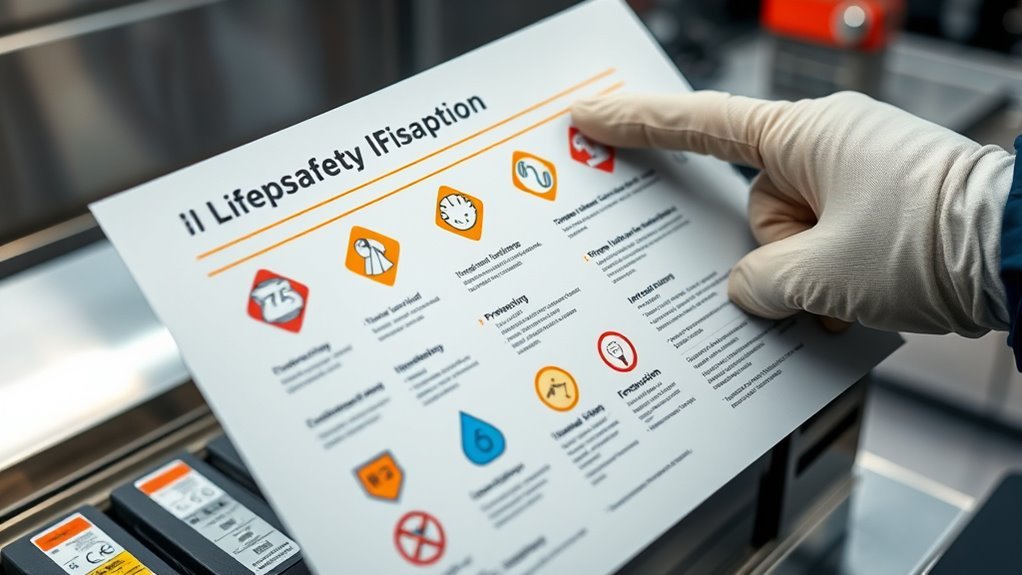
While LiFePO4 batteries are renowned for their safety and stability compared to other lithium-ion chemistries, understanding their inherent risks is essential for safe handling and operation. The battery chemistry of LiFePO4 offers high thermal stability and resistance to overcharging, but it’s not immune to hazards. Properly designed cells typically undergo rigorous safety certifications, ensuring they meet strict standards for thermal runaway prevention. However, improper manufacturing, physical damage, or misuse can compromise these safety features, leading to potential risks like short circuits or internal cell failure. Recognizing these factors reinforces the importance of adhering to certified products and understanding the chemistry’s limitations. Ultimately, a thorough grasp of the battery chemistry and safety certifications informs safer handling practices and risk mitigation strategies.
Best Practices for Charging and Discharging Lifepo4 Batteries
To guarantee safety and longevity, we must adhere to ideal charging parameters tailored for Lifepo4 batteries. Avoiding deep discharges is essential to prevent capacity loss and potential damage, while using compatible chargers assures proper voltage regulation. Implementing these best practices helps maintain battery performance and reduces safety risks.
Optimal Charging Parameters
What are the ideal charging parameters to maximize Lifepo4 battery performance and safety? Understanding the battery chemistry is vital, as Lifepo4 cells tolerate higher charging voltages without degradation, typically around 3.65-3.70V per cell. Maintaining a charging current at 0.5C to 1C enhances longevity while minimizing stress on the chemistry. Precise voltage cutoff points prevent overcharging, which can compromise safety and reduce cycle life. Limiting charging and discharging to recommended levels preserves the integrity of multiple charging cycles, maintaining capacity over time. Consistent adherence to these parameters sustains maximum performance, reduces thermal risks, and prolongs battery lifespan. By carefully managing these charging parameters, we guarantee safe operation aligned with the specific chemistry of Lifepo4 cells, maximizing both efficiency and safety.
Avoid Deep Discharges
Avoiding deep discharges is essential for maintaining the longevity and safety of Lifepo4 batteries. Excessive discharge levels increase the risk of voltage spikes, which can lead to internal damage or battery overheating. To prevent these issues, we recommend adhering to specific discharging thresholds and monitoring voltage levels closely.
Key practices include:
- Limiting discharge to no lower than 20% capacity to prevent voltage dips that stress the cells.
- Implementing cutoff mechanisms that automatically halt discharge before voltage spikes occur.
- Regularly inspecting voltage and temperature data to detect early signs of instability, reducing the risk of battery overheating during deep discharge cycles.
Use Compatible Chargers
Selecting and using compatible chargers is critical for guaranteeing the safety and peak performance of Lifepo4 batteries. Compatible chargers are designed to follow specific charging protocols that match the battery’s chemistry and voltage requirements. Deviating from these protocols can lead to overcharging, overheating, or capacity loss, compromising safety and lifespan. It’s essential to verify that chargers are explicitly labeled for Lifepo4 chemistry, as generic or incompatible chargers may not supply the correct voltage or current profiles. Strict adherence to recommended charging protocols ensures controlled current and voltage limits, preventing potential thermal runaway or damage. By consistently using compatible chargers, we maintain battery integrity, maximize cycle life, and mitigate safety risks associated with improper charging practices.
How to Safely Inspect and Maintain Your Lifepo4 Battery
Regular inspection and maintenance are essential to guarantee the safety and longevity of your LiFePO4 battery. We recommend examining the battery packaging for signs of physical damage, such as cracks or swelling, which could compromise safety. Consistent voltage and temperature monitoring help detect early warning signs of malfunction, preventing potential hazards. Additionally, understanding emergency procedures, including proper handling of thermal runaway or leaks, ensures swift, safe responses. To maintain peak performance, consider these steps:
- Inspect battery packaging regularly for physical damage or deformation.
- Monitor voltage and temperature levels during operation for anomalies.
- Familiarize yourself with emergency procedures to address potential safety risks effectively.
Adhering to these inspection and maintenance protocols minimizes risk and extends your battery’s service life.
Protective Gear and Equipment for Battery Safety
To guarantee safe handling of Lifepo4 batteries, wearing proper handling attire such as flame-resistant gloves and long sleeves is essential to minimize injury risk. Safety glasses must be used at all times to protect against potential electrolyte splashes or sparks. Additionally, insulated tools are necessary to prevent accidental short circuits and electrical shocks during maintenance or installation.
Proper Handling Attire
When handling LiFePO4 batteries, wearing appropriate protective gear is essential to minimize risk from potential thermal events or chemical exposure. Proper handling attire ensures safety during installation, maintenance, or emergency situations. Critical items include:
- Protective gloves—resistant to chemicals and thermal hazards, preventing skin contact with electrolyte or damaged cells.
- Fire resistant clothing—designed to withstand high temperatures and reduce injury risk if a thermal runaway occurs.
- Insulation footwear—grounded and non-conductive to prevent electrical shocks and static buildup.
These components form a thorough barrier, mitigating injury from chemical leaks, thermal incidents, or electrical faults. Adopting this attire enhances safety protocols, allowing safe handling and reducing the likelihood of accidents during battery management.
Safety Glasses Usage
Wearing safety glasses is a critical component of protective gear when handling LiFePO4 batteries, as they shield the eyes from potential hazards such as electrolyte splashes, chemical fumes, or debris resulting from damaged cells. Proper eye protection minimizes the risk of chemical exposure, which can cause serious injury or impair vision. Safety glasses with side shields provide all-encompassing coverage against splashes and particulate matter, ensuring safety during battery maintenance, repair, or disposal. The use of high-quality eye protection is essential in environments where battery integrity might be compromised, as even minor leaks can release hazardous electrolytes. Consistent use of safety glasses not only reduces injury risk but also promotes a safety-conscious approach, emphasizing the importance of protective measures in lithium iron phosphate battery management.
Insulated Tools Necessity
Have you considered how vital insulated tools are for guaranteeing safety during LiFePO4 battery handling? Proper use of insulated tools minimizes the risk of short circuits and electrical shocks. When working with these batteries, it’s essential to prioritize protective equipment, including:
- Insulated tools: Designed to prevent accidental contact with live components, reducing electrical hazard exposure.
- Fire resistant gloves: Provide a barrier against thermal events or sparks, protecting hands during handling or maintenance.
- Proper insulation mats and barriers: Ensure a safe working environment by preventing unintended grounding or short circuits.
Incorporating these safety measures enhances control over electrical risks and mitigates potential hazards associated with LiFePO4 batteries, guaranteeing safer handling and maintenance.
Safe Storage and Handling of Lifepo4 Batteries
Proper storage and handling of LiFePO4 batteries are essential to guarantee safety and maintain their longevity. Confirming correct storage involves using a suitable battery enclosure that prevents physical damage and exposure to moisture or contaminants. Temperature regulation is critical; batteries should be stored in a controlled environment, ideally between 0°C and 25°C, to prevent capacity loss or thermal degradation. Avoid high temperatures, which accelerate aging, and low temperatures, which impede performance. Additionally, batteries should be stored at a partial state of charge—around 50%—to minimize stress on the cells. Proper handling includes avoiding punctures, impacts, or disassembly, which could compromise the battery’s integrity. Adhering to these protocols ensures safe storage conditions and prolongs battery lifespan.
Spotting and Handling Common Battery Hazards
Identifying and managing common battery hazards is essential for ensuring safety when handling LiFePO4 batteries. Recognizing early warning signs can prevent incidents related to chemical hazards and fire risks.
- Overheating or swelling indicates thermal runaway potential, requiring immediate inspection and removal from service.
- Leaking electrolyte or unusual odors signal chemical hazards, demanding proper containment and ventilation.
- Physical damage like cracks or punctures compromises structural integrity, risking fire and chemical exposure.
Effective battery fire prevention hinges on prompt hazard detection and response. Awareness of chemical hazards involves understanding leak indicators and handling procedures. Staying vigilant helps mitigate risks, ensuring safe operation and storage of LiFePO4 batteries while safeguarding personnel and property.
Recycling and Disposal Tips for Lifepo4 Batteries
Recycling and disposal of LiFePO4 batteries require strict adherence to established protocols to prevent environmental contamination and safety hazards. Proper battery recycling involves specialized processes that recover valuable materials like lithium and phosphate, reducing waste and resource depletion. Disposal methods must comply with local regulations, often requiring that batteries be taken to certified recycling centers rather than discarded with regular waste. This guarantees that hazardous components are managed safely, minimizing risks of fire, chemical leaks, and soil contamination. We emphasize the importance of understanding these protocols to avoid illegal dumping and environmental damage. Effective battery recycling and disposal not only protect ecosystems but also support sustainable resource management, making adherence to these safety practices essential for responsible handling of LiFePO4 batteries.
Troubleshooting Safety Issues in Lifepo4 Battery Systems
While following correct recycling and disposal protocols reduces environmental risks, safety issues can still arise within Lifepo4 battery systems during operation or maintenance. Troubleshooting these issues requires understanding potential failure points linked to battery manufacturing and safety protocols.
- Overheating or thermal runaway may result from manufacturing defects or improper cell balancing, necessitating immediate inspection and fire suppression measures.
- Cell swelling or leakage indicates internal damage, often due to manufacturing inconsistencies or prolonged misuse, prompting system shutdown and safety assessment.
- Faulty wiring or connections can cause short circuits, risking fire hazards that demand rigorous troubleshooting and enhanced fire suppression strategies.
Addressing these issues involves precise diagnostics, adherence to safety standards, and implementing effective fire suppression systems to prevent escalation.
Long-Term Safety Tips for Lifepo4 Batteries
To guarantee the long-term safety of Lifepo4 batteries, consistent maintenance and vigilant monitoring are essential, as they help prevent deterioration that could compromise system integrity. Understanding battery chemistry is vital, since Lifepo4’s stable chemistry reduces thermal risks. Regularly checking voltage levels, balancing cells, and verifying safety certifications ensure peak performance and safety. Proper storage in cool, dry environments minimizes capacity loss over time.
| Parameter | Recommended Practice |
|---|---|
| Battery chemistry | Confirm stability through certifications |
| Temperature | Keep within manufacturer specs |
| Voltage levels | Monitor for balanced charging/discharging |
| Storage conditions | Store in cool, dry locations |
| Maintenance checks | Perform routine inspections regularly |
Frequently Asked Questions
How Do I Identify Counterfeit Lifepo4 Batteries?
We identify counterfeit LiFePO4 batteries through careful examination of battery manufacturing details, verifying serial numbers, inspecting build quality, and using counterfeit detection tools. These steps guarantee authenticity and maintain safety standards in your energy storage systems.
Can Lifepo4 Batteries Be Used in Extreme Temperatures Safely?
We find that LiFePO4 batteries exhibit notable temperature resilience, enabling safe operation in extreme conditions when properly managed. This reduces environmental impact by extending battery lifespan and minimizing replacement frequency, although careful monitoring remains essential for ideal safety and performance.
What Are the Signs of a Damaged Lifepo4 Battery?
Like a ticking time bomb, a damaged Lifepo4 battery shows signs such as swelling or unusual odors, indicating internal failure. We must monitor these indicators closely, as they threaten safety and suggest imminent risks of thermal runaway.
Are There Specific Certifications to Look for in Safe Lifepo4 Batteries?
We look for Lifepo4 batteries that meet reputable certification standards like UL, CE, or IEC, which guarantee strict battery manufacturing processes and safety protocols. These certifications verify compliance with technical and safety benchmarks essential for reliable, safe operation.
How Does Aging Affect Lifepo4 Battery Safety?
We’ve found that after 2000 cycles, Lifepo4 batteries experience significant degradation, impacting safety due to increased internal resistance. Regular safety precautions are essential as aging accelerates battery degradation, raising risks of thermal events or failure over time.
Conclusion
In summary, prioritizing safety with LiFePo4 batteries isn’t just important—it’s the key to avoiding hazards that could surpass even the most catastrophic failures. By adhering to best practices, inspecting regularly, and handling with care, we guarantee these powerful energy sources operate reliably and safely throughout their lifespan. Remember, vigilant maintenance and adherence to safety protocols are your best defenses against potential risks, making your battery system as safe and resilient as a fortress guarding valuable treasures.