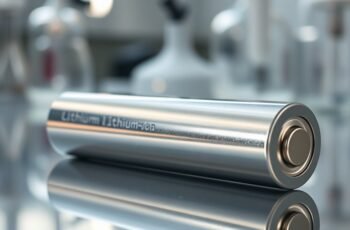
When comparing motorcycle lithium starter batteries, it’s imperative to scrutinize factors like weight savings, cold cranking amps, cycle life, and overall durability. These details influence performance and long-term value, especially for riders seeking reliability under various conditions. Understanding how different brands and models stack up can be complex, but making an informed choice requires a thorough analysis. As we explore key features and considerations, you’ll gain insights that could profoundly impact your motorcycle’s starting performance and maintenance strategy.
Key Takeaways
- Compare battery weight, capacity, and CCA ratings to determine best performance and handling for specific motorcycle models.
- Evaluate brand reputation, certifications, and warranty coverage for reliability and long-term value.
- Assess physical dimensions and terminal configuration to ensure proper fit and compatibility with your motorcycle.
- Consider lifespan, cycle life, and durability features like thermal stability and BMS integration.
- Review cost versus features, including advanced chemistry and safety certifications, for optimal long-term investment.
Why Choose a Lithium Starter Battery Over Traditional Lead-Acid?
Although traditional lead-acid batteries have long been the standard for motorcycle starting power, lithium starter batteries offer significant advantages regarding weight, efficiency, and lifespan. Lithium batteries have a much higher energy-to-weight ratio, reducing overall motorcycle weight and improving handling. Their internal chemistry allows for faster charge acceptance and higher cranking currents, ensuring reliable starts even in cold conditions. They also feature a deeper discharge cycle without damaging the cells, resulting in a longer operational lifespan—often two to three times that of lead-acid counterparts. Additionally, lithium batteries have lower self-discharge rates, maintaining charge for extended periods without maintenance. Their compact design and minimal internal resistance contribute to more consistent performance, making them a technically superior choice for riders seeking durability, efficiency, and performance.
Key Factors to Consider When Selecting a Motorcycle Lithium Battery
Selecting the right motorcycle lithium battery requires careful attention to several technical specifications and compatibility factors. First, verify the battery’s voltage and capacity to match your motorcycle’s requirements precisely, securing proper fitment and peak performance. Next, examine the CCA (Cold Cranking Amps) rating; a higher CCA provides better starting power in cold conditions, critical for reliability. Pay close attention to the physical dimensions and terminal configuration to secure seamless installation. Additionally, assess the battery’s internal management system (BMS), which regulates voltage, current, and temperature, preventing overcharge and overheating. Compatibility with existing electronic systems is vital, so confirm that the battery’s specifications align with your motorcycle’s electrical demands. These technical considerations guarantee safety, longevity, and peak performance.
Top Brands Offering Reliable Motorcycle Lithium Starter Batteries
When it comes to reliable motorcycle lithium starter batteries, certain brands consistently stand out due to their commitment to quality, innovation, and safety standards. These manufacturers utilize advanced lithium-ion chemistries, integrated BMS (Battery Management Systems), and rigorous testing protocols to guarantee durability and consistent performance under extreme conditions. Below is a comparison of leading brands:
| Brand | Key Features | Safety Certifications |
|---|---|---|
| Shorai | Light weight, high discharge rates | UL, CE |
| Antigravity | Rapid charging, robust BMS | UL, FCC |
| Ballistic | High cycle life, thermal stability | CE, RoHS |
| EarthX | Hybrid lithium-ion, extensive testing | UL, ISO |
| UltraFire | Cost-effective, reliable performance | CE, FCC |
These brands are notable for their technological innovations and adherence to strict safety standards, making them top choices for dependable motorcycle lithium starters.
Comparing Power Output and Cold Cranking Amps Across Models
When comparing lithium starter batteries, we focus on power capacity variations and their impact on cold start performance. Analyzing cold cranking amps across models reveals how each battery handles initial engine demands in low temperatures. These insights enable us to evaluate model-specific strengths and identify ideal choices for reliable motorcycle startup performance.
Power Capacity Variations
Power capacity variations among motorcycle lithium starter batteries primarily revolve around differences in their power output and Cold Cranking Amps (CCA). These distinctions directly influence a battery’s ability to deliver consistent energy during engine startup, especially under demanding conditions. Higher CCA ratings indicate greater current delivery capacity, which is critical for overcoming resistance in cold or high-compression engines. Additionally, the nominal power output, often measured in watt-hours, reflects the total energy reserve available for auxiliary functions or extended use. Variations in cell chemistry, internal design, and electrode configuration impact these metrics, affecting both peak performance and durability. As a result, selecting a battery with appropriate power capacity guarantees reliable starts and longevity tailored to the specific demands of your motorcycle’s engine and operating environment.
Cold Start Performance
Cold start performance hinges on a battery’s ability to deliver immediate, high-current bursts necessary to ignite the engine under low-temperature conditions. Lithium motorcycle batteries excel here due to their high Cold Cranking Amps (CCA) ratings, which directly measure the maximum current they can provide momentarily. When comparing models, we focus on their CCA values, as higher numbers typically translate to better cold-start capability. Additionally, internal resistance plays a vital role; lower resistance allows for quicker energy transfer during cold starts. Some batteries incorporate advanced cell chemistry and optimized electrode designs to maintain consistent power output at low temperatures. We also consider the battery’s ability to sustain high current flow without voltage drops, ensuring reliable engine ignition even in freezing conditions.
Model Comparison Insights
Analyzing the power output and Cold Cranking Amps (CCA) across different lithium motorcycle battery models reveals key performance distinctions critical to cold-start reliability. Higher CCA ratings indicate improved ability to turn over the engine in low-temperature conditions, a crucial factor for cold climates. Model comparisons show that batteries with advanced internal electrode designs and higher active material density deliver more consistent power output, especially during initial cranking. Variations in voltage stability under load also differentiate premium models from lower-tier options. One must weigh both maximum power output and sustained voltage levels, as these influence starting reliability and overall battery lifespan. Accurate assessment of CCA alongside peak power secures selecting a model optimized for specific riding conditions and temperature ranges.
Assessing Battery Lifespan and Warranty Coverage
When evaluating lithium starter batteries for motorcycles, understanding their lifespan and warranty coverage is essential for making an informed purchase. Lithium batteries typically have a cycle life ranging from 300 to 1,000 charge-discharge cycles, influenced by temperature, charging practices, and usage patterns. A longer cycle life correlates with extended operational years, often between 3 to779 years under normal conditions. Warranty coverage varies, but reputable brands usually offer between 1 to 3 years, covering manufacturing defects and premature failure. It’s important to scrutinize warranty terms for conditions like proper charging protocols and environmental factors. Additionally, check for pro-rated warranties, which can extend coverage beyond initial periods, providing financial protection against unforeseen early failures. This technical insight helps guarantee durability and reliable performance over time.
Weight and Size Differences That Impact Your Motorcycle’s Performance
The weight and size of a lithium starter battery greatly influence a motorcycle’s handling, balance, and overall performance. Lighter batteries reduce front-end load, enhancing maneuverability and reducing rider fatigue. Smaller dimensions allow for more flexible installation options, making the best use of space and potentially improving weight distribution. Additionally, a compact battery can lower the center of gravity, increasing stability during cornering and acceleration. The precise weight difference between lithium and traditional lead-acid batteries can range from 2 to 5 pounds, markedly affecting dynamic response. The physical form factor varies across models, with some batteries offering a slim profile ideal for sport bikes, while others provide increased capacity at slightly larger sizes. These differences are critical for maintaining ideal handling characteristics and ensuring proper weight balance.
Installation Tips and Compatibility Checks for Lithium Batteries
Installing a lithium motorcycle battery requires careful compatibility verification and precise installation procedures to guarantee peak performance and safety. First, confirm the battery’s voltage and physical dimensions match your OEM specifications, securing proper fitment within the battery compartment. Check that the terminal configuration aligns with your motorcycle’s wiring harness; incorrect polarity can cause electrical damage or safety hazards. Use a multimeter to verify voltage before installation, preventing potential overloads. During installation, handle the battery with insulated tools to avoid short circuits, and confirm the battery is securely fastened to prevent vibration or movement. Finally, double-check all connections for tightness and correct polarity, then perform a system test to verify proper operation. Accurate compatibility assessment and meticulous installation practices are essential for peak performance and safety.
Cost Analysis: Are Lithium Batteries Worth the Investment?
When evaluating the cost of lithium starter batteries, we compare their higher upfront price to potential long-term savings through reduced weight and enhanced performance. We also consider factors like replacement frequency, which can impact overall lifecycle costs. Analyzing these elements helps determine whether lithium batteries deliver sufficient value relative to traditional lead-acid options.
Upfront Cost Comparison
Although lithium batteries typically have a higher initial purchase price than traditional lead-acid options, evaluating their cost-effectiveness requires a detailed analysis of upfront expenses versus long-term savings. The initial cost for lithium batteries generally ranges from $80 to $200, depending on capacity and brand, whereas lead-acid batteries often cost between $50 and $100. Key factors influencing cost include:
- Battery capacity and CCA ratings
- Brand reputation and warranty coverage
- Manufacturing quality and cell chemistry
- Additional accessories or mounting hardware needed
While lithium batteries demand a significant upfront investment, their advanced technology often justifies the expense through superior durability and performance. Careful comparison of initial costs helps determine whether they align with your motorcycle’s requirements and budget constraints.
Long-Term Savings Potential
Over the lifespan of a motorcycle battery, lithium-ion options often prove to be more cost-effective than traditional lead-acid counterparts due to their superior durability, lower maintenance requirements, and longer service life. Lithium batteries typically endure 3 to 5 times longer, reducing replacement frequency and associated labor costs. Their higher energy density allows for more efficient power delivery, minimizing the risk of voltage drops that can damage sensitive electronics. Additionally, lithium batteries have a markedly lower self-discharge rate, preserving charge during periods of inactivity and decreasing the need for frequent recharging. Although initial investment is higher, the reduction in replacement and maintenance expenses contributes to substantial long-term savings, making lithium batteries a financially advantageous choice for riders prioritizing reliability and cost efficiency over time.
Replacement Frequency Factors
Lithium batteries typically require replacement far less frequently than traditional lead-acid options, primarily due to their advanced chemistry and robust construction. Their longer lifespan results from reduced sulfation, lower internal resistance, and less susceptibility to degradation from deep discharges. Factors influencing replacement intervals include:
- Cycle life: Lithium batteries often withstand 2000+ charge cycles, compared to 300-500 for lead-acid.
- Operating temperature: Extreme temperatures accelerate aging; lithium batteries perform most effectively within specified ranges.
- Charge management: Proper charging protocols extend lifespan, preventing overcharging or deep discharges.
- Usage patterns: Frequent, high-current draws can shorten replacement timelines, but overall, lithium’s durability surpasses lead-acid.
Understanding these factors helps assess if the higher upfront cost of lithium batteries justifies their longevity benefits.
Common Troubleshooting and Maintenance Tips for Lithium Batteries
Proper maintenance and troubleshooting are essential to secure the peak performance and longevity of lithium motorcycle batteries. Regular inspections should focus on terminal connections, guaranteeing they are clean, tight, and free of corrosion. Use a multimeter to verify voltage levels—discharges below 12V indicate potential issues. Monitor for signs of swelling, which signals internal damage, and avoid exposing the battery to extreme temperatures, as both heat and cold accelerate degradation. If the battery fails to hold a charge, perform a load test to determine capacity loss. Implement a proper storage routine, keeping the battery in a cool, dry environment and periodically recharging it to prevent deep discharge. Address any irregularities immediately to prevent further damage and secure reliable starting performance.
Final Tips for Choosing the Best Motorcycle Lithium Starter Battery
Choosing the right motorcycle lithium starter battery requires careful consideration of several technical factors to secure peak performance and longevity. First, evaluate the battery’s CCA (Cold Cranking Amps) to verify reliable starting in low temperatures. Second, confirm compatibility with your motorcycle’s voltage and physical dimensions to prevent installation issues. Third, assess the battery’s internal cell quality and BMS (Battery Management System) to guarantee safety, durability, and ideal charge cycles. Finally, consider the manufacturer’s reputation and warranty coverage for long-term support.
Choose a lithium motorcycle battery with appropriate CCA, compatible dimensions, and reliable BMS for optimal performance and safety.
- Verify CCA ratings meet or exceed your motorcycle’s starting requirements
- Confirm physical dimensions and terminal placement match your bike’s setup
- Check the internal cell chemistry and BMS features for safety and longevity
- Review manufacturer reputation, reviews, and warranty policies
Frequently Asked Questions
How Do Lithium Batteries Perform in Extreme Weather Conditions?
Lithium batteries perform well in moderate temperatures but can struggle in extreme cold, reducing capacity and cranking power, while high heat may accelerate degradation. Proper insulation and maintenance help optimize performance across varying weather conditions.
Are Lithium Batteries Environmentally Friendly and Recyclable?
We believe lithium batteries are environmentally friendly because they produce fewer greenhouse gases during manufacturing and operation. Though recycling is essential, advanced processes allow us to recover valuable materials, making lithium batteries a sustainable choice when properly disposed of.
Can Lithium Batteries Be Used in All Motorcycle Models?
Lithium batteries can be used in most motorcycle models, but compatibility depends on specific voltage, size, and mounting requirements. We recommend verifying your motorcycle’s specifications and consulting with manufacturers to guarantee proper fit and performance before installation.
What Safety Precautions Are Necessary When Handling Lithium Batteries?
Handling lithium batteries demands caution; always wear gloves and eye protection to prevent chemical burns or sparks. Keep batteries away from extreme heat, punctures, or water, and follow manufacturer instructions meticulously to guarantee safe operation and longevity.
How Do I Properly Dispose of an Old Lithium Motorcycle Battery?
We recommend recycling your old lithium motorcycle battery at certified e-waste or hazardous waste disposal centers. Never throw it in regular trash; make sure terminals are insulated and handle with gloves to prevent short circuits or leaks during disposal.
Conclusion
In the end, choosing the right motorcycle lithium starter battery often feels like finding a needle in a haystack—each brand offers unique advantages, from weight savings to longevity. Our research shows that balancing power, lifespan, and cost is essential. Just like discovering that perfect riding spot by accident, selecting the ideal battery becomes a rewarding process when we align technical specs with our riding needs. Ultimately, a well-chosen lithium battery keeps us reliably on the road and ready for the next adventure.