When it comes to lithium batteries, understanding their operation and potential risks is essential for safe use. We’ll explore critical safety practices, from proper handling and storage to effective charging techniques, to help you minimize hazards. Ensuring safe usage requires attention to detail and adherence to guidelines, but many users overlook key precautions. Let’s examine the most effective methods to protect yourself, your devices, and the environment, starting with what makes lithium batteries both efficient and potentially dangerous.
Key Takeaways
- Use only compatible chargers with proper voltage and current ratings for your lithium battery.
- Store batteries in a cool, dry place away from flammable materials and physical damage.
- Avoid overcharging and overheating by removing the battery once fully charged and monitoring during use.
- Handle batteries with care, avoiding punctures, crushing, or exposure to water and high temperatures.
- Dispose of batteries responsibly at certified recycling centers following local regulations.
How Do Lithium Batteries Work and Why Are They Safe (When Used Properly)?
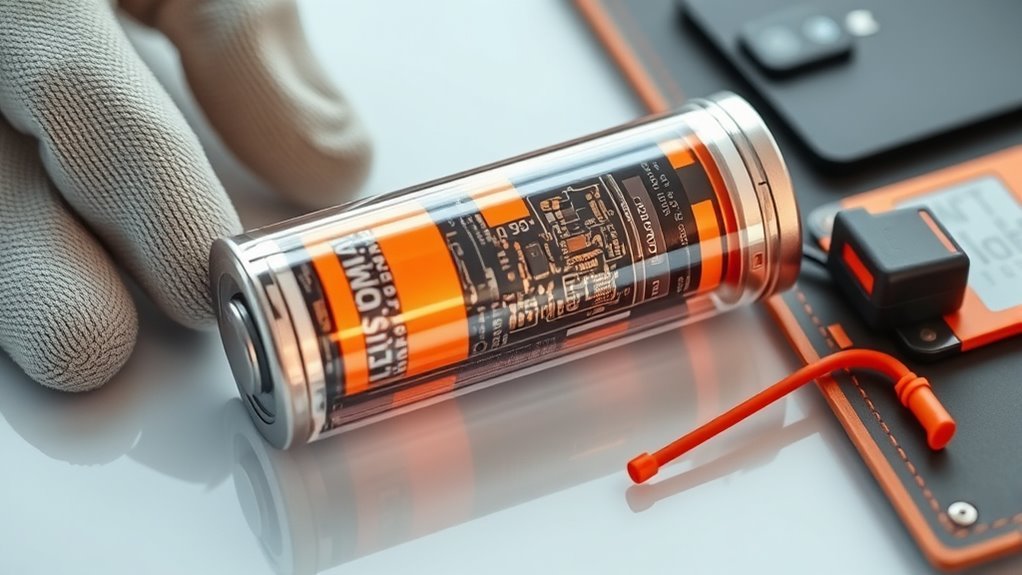
Lithium batteries operate through the movement of lithium ions between the anode and cathode within an electrolyte, producing a flow of electrical current. This process relies on specific battery chemistry that facilitates high energy density, allowing these batteries to store substantial energy in a compact form. The high energy density makes lithium batteries ideal for portable electronic devices, providing longer runtimes without increasing size. When used properly, their design incorporates safety features such as separator layers and voltage regulation to prevent internal short circuits and thermal runaway. The precise control of charge and discharge cycles ensures stability and safety, minimizing risks associated with overheating or overcharging. Overall, understanding their chemistry and energy density highlights why lithium batteries are both efficient and safe when handled according to manufacturer guidelines.
How to Choose a Safe Lithium Battery for Your Device
When selecting a lithium battery for your device, it’s vital to prioritize safety features and quality certifications to guarantee reliable performance and minimize risks. Understanding battery chemistry is essential, as different chemistries (such as lithium cobalt oxide or lithium iron phosphate) impact stability and safety. Opt for batteries with recognized safety certifications, like UL or IEC standards, which verify adherence to strict safety protocols. These certifications indicate that the battery has undergone rigorous testing for thermal stability, overcharge protection, and containment of potential failures. Always choose batteries from reputable manufacturers that specify certified safety standards. This approach guarantees you’re investing in a product designed with safety in mind, reducing the risk of overheating, leaks, or fires during operation.
Tips for Handling and Storing Lithium Batteries Safely
Proper handling and storage of lithium batteries are critical to prevent accidents and prolong their lifespan. Safe practices reduce the risk of thermal runaway, leaks, and fires, while supporting environmental impact mitigation. Store batteries in a cool, dry place away from flammable materials, and avoid physical damage. When not in use, keep terminals insulated to prevent short circuits. Responsible battery recycling minimizes environmental impact and recovers valuable materials.
| Safe Handling | Emotional Impact |
|---|---|
| Store at room temperature | Peace of mind in safety |
| Keep away from heat | Confidence in environmental care |
| Avoid punctures | Trust in durability |
| Use protective gear | Sense of responsibility |
| Proper disposal (recycling) | Satisfaction from eco-conscious choices |
Best Practices for Charging Your Lithium Batteries
To guarantee peak performance and safety, we should follow specific best practices when charging lithium batteries. Proper charging involves controlling charging speed to prevent stress on the cells and ensure longevity. Always verify battery compatibility before charging, using chargers designed for your specific lithium battery model. Avoid fast charging unless specified, as excessive charging speed can degrade battery health. Use a charger with built-in protection features, such as overvoltage and current limiters, to prevent damage. Additionally, monitor the charging process closely and remove the battery once fully charged to avoid overcharging. Following these guidelines helps maintain excellent battery performance, reduces the risk of damage, and extends lifespan. Proper charging practices are essential for safe, efficient lithium battery use.
How to Prevent Lithium Battery Overheating and Fires
Effective charging practices help maintain lithium battery health, but they also play an essential role in preventing overheating and fires. Proper thermal management, including avoiding exposure to high temperatures during use and storage, minimizes the risk of thermal runaway. Regularly monitoring battery temperature during operation is critical for fire safety. Additionally, selecting certified chargers and avoiding overcharging reduces stress on the battery, lowering overheating potential. Responsible battery recycling is crucial; improperly disposed batteries can cause fires or environmental hazards, emphasizing the importance of following proper disposal protocols. Maintaining fire safety protocols, such as storing batteries in fire-resistant containers and preventing damage from physical impacts, further reduces risk. Implementing these measures ensures safe operation and responsible end-of-life handling, safeguarding both users and the environment.
What to Do If Your Lithium Battery Starts to Overheat or Is Damaged
When a lithium battery begins to overheat or sustains damage, immediate action is essential to prevent potential hazards such as fire or chemical leakage. First, disconnect the battery from power sources if safe to do so. Then, follow these steps:
- Evacuate the area and ventilate to disperse any harmful fumes.
- Use a Class D fire extinguisher or sand to suppress any fire; avoid water, which can worsen thermal runaway.
- Contact emergency response services if fire or smoke persists.
- Properly dispose of the damaged battery through certified battery recycling programs to prevent environmental contamination.
Prompt, cautious handling minimizes risk and supports safe disposal, aligning with best practices for emergency response and environmental safety.
How to Maintain and Extend Your Lithium Battery’s Lifespan
Maintaining ideal charging techniques and proper storage practices is essential for maximizing lithium battery lifespan. We recommend avoiding full charges or discharges outside manufacturer specifications and storing batteries in cool, dry environments. Implementing these strategies guarantees reliable performance and prolongs battery health over time.
Proper Charging Techniques
Proper charging techniques are essential for maximizing the lifespan and performance of lithium batteries. Consistent, controlled charging prevents overvoltage and reduces thermal stress, directly impacting battery health and safety. To optimize charging safety and prolong lifespan, we recommend:
- Using chargers compatible with your battery’s specifications
- Avoiding full discharges; aim to keep charge levels between 20% and 80%
- Monitoring temperature during charging to prevent overheating
- Promoting battery recycling at end-of-life to minimize environmental impact
Adhering to these practices reduces risks associated with improper charging, such as thermal runaway. Proper charging not only extends your battery’s usability but also supports sustainable practices. Maintaining safe, efficient charging habits helps conserve resources and ensures the battery remains reliable over time.
Optimal Storage Practices
Have you ever wondered how to preserve your lithium battery’s capacity over time? Proper storage practices are essential for maximizing lifespan and minimizing environmental impact. Store batteries in a cool, dry environment, ideally between 40-60% charge, to prevent capacity loss caused by over-discharge or overcharge. Avoid exposing batteries to extreme temperatures, which accelerate degradation. Regularly check stored batteries and recharge to maintain peak voltage levels. Responsible disposal involves following recycling procedures to reduce environmental impact, as lithium batteries contain hazardous materials. Recycling ensures valuable materials are reclaimed, reducing resource extraction and pollution. Implementing these storage protocols not only extends battery life but also promotes environmentally sustainable practices, aligning with responsible manufacturing and disposal standards.
Frequently Asked Questions
Are There Specific Signs Indicating a Lithium Battery Is Failing?
We notice failing lithium batteries often show signs like swelling or battery swelling, and emit unusual odors, which indicate potential hazards. Recognizing these signs early helps us prevent accidents and guarantees safe handling and disposal of compromised batteries.
Can Lithium Batteries Be Recycled Safely?
We can recycle lithium batteries safely through specialized battery recycling programs utilizing advanced lithium recovery techniques, which efficiently extract and repurpose lithium, minimizing environmental impact and ensuring safe disposal for both consumers and the environment.
What Are the Environmental Impacts of Lithium Battery Disposal?
Disposing of lithium batteries causes environmental pollution due to toxic chemicals and heavy metals, while recycling challenges hinder efficient material recovery, emphasizing the need for improved processes to minimize ecological harm and promote sustainable waste management practices.
How Do Temperature Changes Affect Lithium Battery Safety?
Temperature changes can compromise lithium battery safety by causing thermal runaway or capacity loss. We emphasize strict temperature regulation and adherence to safety protocols, ensuring batteries operate within recommended ranges to prevent hazardous failures.
Are Counterfeit Lithium Batteries More Dangerous Than Genuine Ones?
Counterfeit lithium batteries are ironically riskier because counterfeit risks often include poor manufacturing and lack of safety features, making battery authenticity vital for safe use. Genuine batteries guarantee proper safety measures, reducing the chance of hazards.
Conclusion
By following these safety guidelines, we can handle lithium batteries as carefully as a scientist in a lab. Proper usage, storage, and charging practices are essential to prevent accidents and extend battery life. Think of it like maintaining precision in a delicate experiment—attention to detail keeps everything functioning smoothly. When we prioritize safety and take proactive measures, we guarantee reliable performance and minimize risks, making lithium batteries a safe, efficient energy source for all our devices.