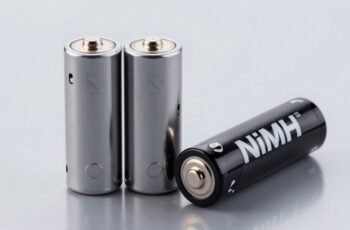
When choosing a motorcycle battery, understanding the fundamental differences between lithium and AGM options is critical. Both types have distinct performance characteristics, durability, and cost profiles that impact their suitability for various riding needs. As we analyze these factors, it becomes clear that the decision hinges on balancing advanced technology against practical considerations. Exploring these aspects methodically can help you determine which battery aligns best with your motorcycle’s demands and your riding expectations.
Key Takeaways
- Lithium batteries offer higher energy density, longer lifespan (up to 10 years), and faster recharge times compared to AGM batteries.
- AGM batteries are more affordable initially, with better resistance to vibration and shock, ideal for rugged conditions.
- Lithium batteries maintain stable voltage and perform well in cold weather, whereas AGM batteries may have reduced cold-start performance.
- AGM batteries are more tolerant of deep discharges, while lithium batteries require careful management to prevent overcharging.
- For daily commuting and performance riding, lithium batteries provide quick starts; for budget and durability, AGM is a reliable choice.
What Are the Main Differences Between Lithium and AGM Motorcycle Batteries?
While both lithium and AGM motorcycle batteries serve the same fundamental purpose of providing reliable power, their fundamental differences lie in their chemical composition and design. Lithium batteries utilize lithium-ion cells, which offer high energy density and a lightweight structure, enabling faster charging and deeper discharges without damage. AGM batteries, on the other hand, employ absorbed glass mat technology, where electrolyte is absorbed into glass fibers, making them spill-proof and durable. Lithium batteries typically have a lower internal resistance, leading to quicker power delivery, whereas AGM batteries are more robust against vibration and temperature fluctuations. These core differences influence performance characteristics, lifespan, and maintenance needs, with lithium batteries favoring high-performance applications, and AGM batteries offering versatility and resilience in diverse riding conditions.
How Do Lithium and AGM Batteries Perform in Terms of Power and Reliability?
Lithium and AGM motorcycle batteries differ considerably in how they deliver power and maintain reliability under various conditions. Lithium batteries provide a high, consistent cranking power due to their superior energy density and low internal resistance, ensuring rapid power delivery. AGM batteries, while reliable, tend to deliver steady but slightly lower bursts of power, especially in cold temperatures.
| Aspect | Lithium | AGM |
|---|---|---|
| Power Output | High, consistent, rapid bursts | Moderate, steady, lower peaks |
| Cold Weather | Excellent performance, reliable | Reduced efficiency, slower start |
| Reliability | Long lifecycle, resistant to vibration | Good lifespan, sensitive to deep discharge |
| Maintenance | Minimal, no topping-up needed | Low, but may need occasional checks |
| Voltage Stability | Very stable across discharge cycle | Slight voltage drop under load |
These differences critically influence performance, especially under demanding conditions.
Which Battery Type Is More Budget-Friendly and Cost-Effective?
Determining which battery type offers better budget-friendliness and cost-effectiveness requires analyzing both initial purchase prices and long-term expenses. Lithium batteries typically have a higher upfront cost due to advanced technology and materials, often costing two to three times more than AGM batteries. However, lithium batteries generally have a longer lifespan—up to 10 years compared to 3–5 years for AGM—reducing replacement frequency. Additionally, lithium batteries offer better energy efficiency, resulting in less frequent recharging and lower operational costs over time. AGM batteries, while cheaper initially, may incur higher replacement and maintenance costs over their shorter lifespan. Consequently, although lithium batteries demand a larger initial investment, their durability and efficiency can make them more economical in the long run.
What Are the Pros and Cons of Choosing Lithium vs. AGM Batteries for Your Motorcycle?
Choosing the right motorcycle battery involves weighing the specific advantages and disadvantages of lithium and AGM options. Lithium batteries offer higher energy density, lighter weight, and faster recharge times, making them ideal for performance-focused riders. However, they tend to be more expensive upfront and can be sensitive to overcharging or improper maintenance, risking thermal runaway. AGM batteries, on the other hand, provide excellent reliability, lower cost, and are more resistant to vibration and shock, which benefits durability in rugged conditions. They also handle deep discharges better than lithium. The trade-offs include lithium’s superior power-to-weight ratio versus AGM’s proven stability and lower initial investment. Ultimately, your decision hinges on balancing these technical factors with your riding style and maintenance preferences.
How to Decide Which Motorcycle Battery Suits Your Riding Style and Needs?
Selecting the most suitable motorcycle battery requires a clear understanding of how your riding habits and operational demands influence performance requirements. For instance, frequent short trips demand a battery with high cranking power, while long-distance touring prioritizes longevity and reliability. Consider the following factors:
| Riding Style | Key Battery Need | Recommended Battery Type |
|---|---|---|
| Daily commuting | Quick startup, durability | Lithium or AGM |
| Long-distance touring | Extended lifespan, low maintenance | AGM |
| Off-road riding | Vibration resistance, rapid response | Lithium |
Frequently Asked Questions
How Long Does a Lithium Motorcycle Battery Typically Last?
A lithium motorcycle battery typically lasts 3 to 5 years, depending on usage, maintenance, and environmental factors. We find they offer longer lifespan and better performance compared to AGM batteries, making them a reliable, cost-effective choice over time.
Can Lithium Batteries Be Safely Used in All Motorcycle Models?
Yes, lithium batteries can be safely used in most motorcycle models, but compatibility depends on the specific electrical system and voltage requirements. We recommend consulting your motorcycle’s manufacturer or a professional technician to confirm proper fit and safety.
What Maintenance Is Required for AGM Batteries?
We inspect AGM batteries regularly, checking for corrosion and fluid levels, and verify terminals are clean and tight. Unlike lithium, AGM maintenance is straightforward, focusing on keeping connections secure and topping up with distilled water when needed.
Are Lithium Batteries More Environmentally Friendly Than AGM?
We believe lithium batteries are more environmentally friendly than AGM batteries due to their longer lifespan, lighter weight, and fewer harmful materials. They reduce waste and energy consumption over time, making them a more sustainable choice for environmentally-conscious riders.
How Do Temperature Extremes Affect Each Battery Type’s Performance?
Temperature extremes considerably impact performance; lithium batteries excel in cold weather, maintaining capacity, but can degrade in heat. AGM batteries handle heat better, yet lose efficiency in cold, making temperature management vital for ideal motorcycle battery performance across conditions.
Conclusion
Ultimately, choosing between lithium and AGM batteries is like selecting the right gear for a ride—each offers distinct advantages tailored to specific needs. Lithium batteries are the high-performance sports car, delivering speed and efficiency, while AGM batteries resemble a rugged SUV, built for durability and reliability. By analyzing your riding style and priorities, we can navigate this decision with precision, ensuring your motorcycle’s power source aligns perfectly with your journey’s demands.